
What is the maximum temperature a melt pressure indicator can withstand?
Leave a message

As a supplier of melt pressure indicators, one of the most frequently asked questions I encounter is about the maximum temperature these devices can withstand. Understanding this crucial parameter is essential for ensuring the proper functioning and longevity of the equipment, especially in high - temperature industrial processes.
The Basics of Melt Pressure Indicators
Melt pressure indicators play a vital role in many industrial applications, particularly in the plastics, rubber, and food processing industries. These instruments are designed to measure the pressure of molten materials accurately. They provide real - time data that helps operators monitor and control the manufacturing process, ensuring product quality and safety.


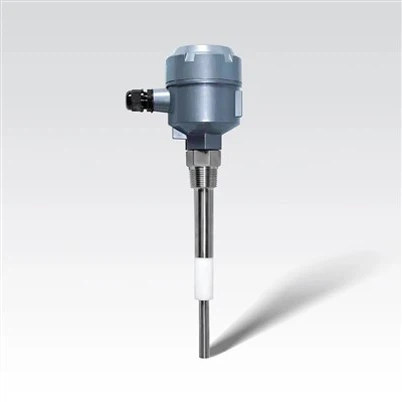
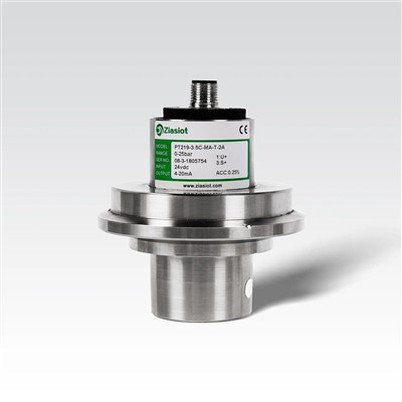
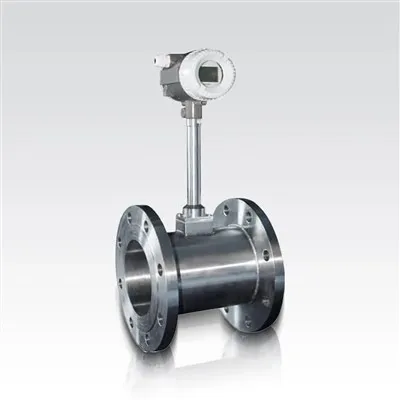
A typical Melt Pressure Indicator consists of a pressure sensor, a signal processing unit, and a display. The pressure sensor is usually in contact with the molten material, converting the pressure into an electrical signal. The signal processing unit then amplifies and processes this signal, and finally, the display shows the measured pressure value.
Factors Affecting the Maximum Temperature Tolerance
Several factors influence the maximum temperature that a melt pressure indicator can withstand.
Sensor Material
The material of the pressure sensor is the most critical factor. Different materials have different thermal properties. For example, stainless steel is a commonly used material for pressure sensors in melt pressure indicators. It has good corrosion resistance and can withstand relatively high temperatures. However, its maximum temperature tolerance is typically around 400 - 450°C.
Some high - performance sensors are made of special alloys or ceramics. These materials can withstand much higher temperatures. Ceramics, for instance, can tolerate temperatures up to 800°C or even higher. They have excellent thermal stability and chemical resistance, making them suitable for extremely harsh environments.
Electronics and Wiring
The electronics and wiring inside the melt pressure indicator also limit its temperature tolerance. The electronic components, such as integrated circuits and resistors, have their own temperature ratings. High temperatures can cause these components to malfunction or reduce their lifespan.
The wiring insulation also needs to be able to withstand the operating temperature. If the insulation melts or degrades at high temperatures, it can lead to short - circuits or inaccurate readings. Therefore, manufacturers often use high - temperature - resistant insulation materials for the wiring.
Sealing and Enclosure
The sealing and enclosure of the melt pressure indicator protect the internal components from the environment. They also play a role in determining the temperature tolerance. A well - sealed enclosure can prevent the ingress of molten material, dust, and moisture. However, it also needs to be able to withstand high temperatures without deforming or losing its sealing properties.
Some enclosures are made of heat - resistant plastics or metals. The plastics need to have a high melting point and good mechanical properties at high temperatures. Metals, on the other hand, can provide better heat dissipation and protection.
Typical Temperature Ranges of Melt Pressure Indicators
In general, most standard melt pressure indicators on the market can withstand temperatures in the range of 200 - 450°C. These are suitable for many common industrial applications, such as plastic injection molding and extrusion processes.
For more demanding applications, such as high - temperature polymer processing or glass manufacturing, there are high - temperature melt pressure indicators available. These can withstand temperatures up to 800°C or more.
Importance of Temperature Rating in Applications
Knowing the maximum temperature a melt pressure indicator can withstand is crucial for several reasons.
Process Safety
In high - temperature industrial processes, if the melt pressure indicator exceeds its temperature rating, it can malfunction. This can lead to inaccurate pressure readings, which in turn can cause process instability. For example, in a plastic extrusion process, incorrect pressure measurements can result in uneven product thickness or defects in the final product. In extreme cases, it can even lead to equipment damage or safety hazards.
Product Quality
Accurate pressure measurement is essential for maintaining product quality. High temperatures can affect the viscosity and flow properties of molten materials. By using a melt pressure indicator with an appropriate temperature rating, operators can ensure that the pressure is measured accurately throughout the process, resulting in consistent product quality.
Equipment Longevity
Operating a melt pressure indicator within its temperature rating can significantly extend its lifespan. Exposing the device to temperatures higher than its tolerance can cause premature wear and tear of the components, leading to frequent breakdowns and costly replacements.
Comparison with Other Similar Instruments
Let's compare melt pressure indicators with other related instruments in terms of temperature tolerance.
Pressure Temperature Indicator
A pressure temperature indicator combines the functions of pressure and temperature measurement. While a melt pressure indicator focuses mainly on pressure measurement in molten materials, a pressure temperature indicator can measure both pressure and temperature in various applications.
The temperature tolerance of a pressure temperature indicator is also determined by its sensor and electronic components. However, since it has additional temperature - measuring capabilities, the overall design may be more complex. Some pressure temperature indicators can measure temperatures up to 600 - 700°C, depending on the model and application.
Homogenizer Digital Pressure Gauge
A homogenizer digital pressure gauge is used mainly in homogenization processes, which are common in the food and beverage, pharmaceutical, and cosmetic industries. These processes usually involve lower temperatures compared to high - temperature polymer processing.
Most homogenizer digital pressure gauges can withstand temperatures in the range of 100 - 200°C. Their design is optimized for accurate pressure measurement in relatively low - temperature and clean environments.
How to Choose the Right Melt Pressure Indicator Based on Temperature
When selecting a melt pressure indicator, the following steps can help you choose one with an appropriate temperature rating.
Determine the Process Temperature
First, you need to accurately determine the maximum temperature of the molten material in your process. This may require some temperature monitoring or consulting with process engineers.
Consider Safety Margins
It is advisable to choose a melt pressure indicator with a temperature rating higher than the actual process temperature. A safety margin of at least 10 - 20% is recommended. This can account for any temperature fluctuations or unexpected temperature spikes during the process.
Evaluate the Overall Environment
In addition to the temperature of the molten material, you also need to consider the overall operating environment. For example, if the area around the melt pressure indicator is hot due to nearby equipment or poor ventilation, this can affect the device's performance.
Conclusion
The maximum temperature a melt pressure indicator can withstand is determined by multiple factors, including sensor material, electronics, wiring, sealing, and enclosure. Understanding these factors is crucial for choosing the right device for your industrial application.
As a supplier of melt pressure indicators, we offer a wide range of products with different temperature ratings to meet the diverse needs of our customers. Whether you are in the plastics, rubber, or food processing industry, we can provide you with a reliable and accurate melt pressure indicator.
If you are interested in our products or have any questions about melt pressure indicators, we invite you to contact us for a detailed discussion. We are committed to helping you find the best solution for your specific requirements.
References
- ASME Boiler and Pressure Vessel Code
- ISO standards related to pressure measurement instruments
- Technical literature from leading manufacturers of pressure sensors and indicators