
What is the operating principle of MEMS pressure transmitters?
Leave a message

Hey there! As a supplier of MEMS pressure transmitters, I'm super excited to dive into the nitty - gritty of how these nifty devices work. So, let's get started and break down the operating principle of MEMS pressure transmitters.
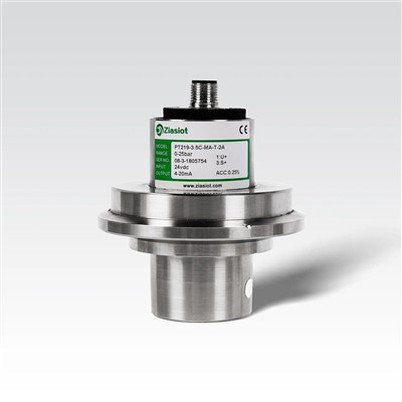
First off, what the heck is a MEMS pressure transmitter? MEMS stands for Micro - Electro - Mechanical Systems. These are tiny devices that combine mechanical and electrical components on a microscopic scale. A MEMS pressure transmitter is designed to measure pressure and convert it into an electrical signal that can be easily read and processed.
The Basics of MEMS Pressure Sensing
At the heart of a MEMS pressure transmitter is the pressure sensor. This sensor is usually made using semiconductor manufacturing techniques, which allow for the creation of extremely small and precise components. The most common type of MEMS pressure sensor is the piezoresistive sensor.
The piezoresistive effect is the key to how these sensors work. When pressure is applied to a piezoresistive material, its electrical resistance changes. This change in resistance is directly proportional to the applied pressure. In a MEMS pressure sensor, the piezoresistive elements are typically arranged in a Wheatstone bridge configuration.
A Wheatstone bridge is an electrical circuit that can accurately measure small changes in resistance. When the pressure changes, the resistance of the piezoresistive elements in the bridge changes, causing an imbalance in the bridge. This imbalance results in an output voltage that is proportional to the applied pressure.
The Structure of a MEMS Pressure Transmitter
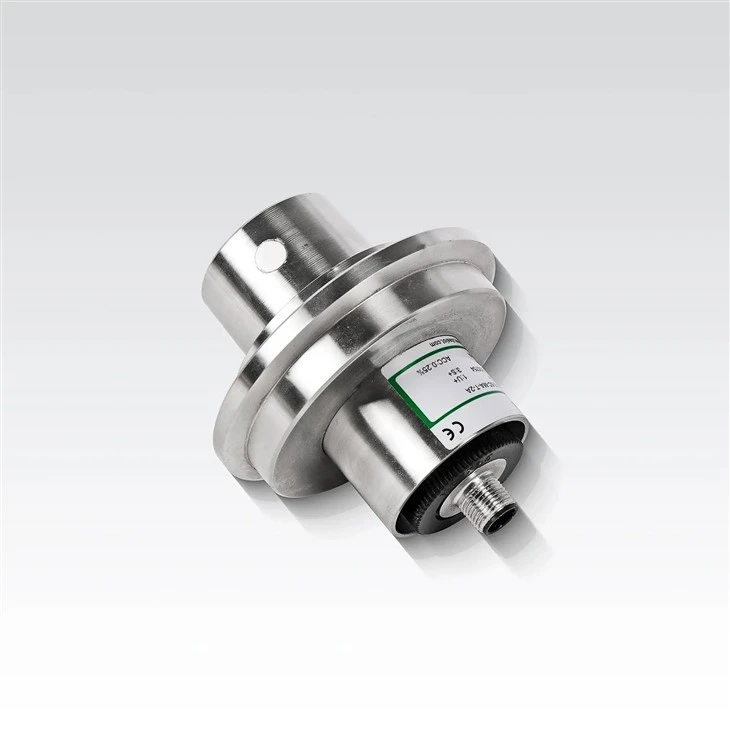
A MEMS pressure transmitter consists of several key components. The first is the pressure sensor itself, which we just talked about. This sensor is usually housed in a protective package to shield it from the environment. The package also provides a way to connect the sensor to the rest of the transmitter.
Next, there's the signal conditioning circuit. This circuit takes the small output voltage from the pressure sensor and amplifies it to a level that can be easily measured. It also performs other functions like filtering out noise and compensating for temperature effects. Temperature can have a significant impact on the performance of a MEMS pressure sensor, so the signal conditioning circuit is crucial for accurate measurements.
Finally, there's the output interface. This is what allows the transmitter to communicate with other devices, such as a data logger or a control system. Common output interfaces include analog signals like 4 - 20 mA or 0 - 5 V, as well as digital interfaces like I2C or SPI.
How MEMS Pressure Transmitters are Used
MEMS pressure transmitters have a wide range of applications. One of the most common applications is in industrial process control. For example, in a chemical plant, MEMS pressure transmitters can be used to monitor the pressure in pipelines, tanks, and reactors. This helps ensure that the processes are running safely and efficiently.
Another important application is in the automotive industry. MEMS pressure transmitters are used to measure tire pressure, engine oil pressure, and fuel pressure. This information is crucial for the proper operation of the vehicle and for ensuring the safety of the driver.
If you're involved in shield tunneling machines, you might be interested in our MEMS Pressure Sensor for Shield Tunneling Machine. These sensors are specifically designed to withstand the harsh conditions in shield tunneling, such as high pressure, vibration, and dirt.
Advantages of MEMS Pressure Transmitters
There are several advantages to using MEMS pressure transmitters. First of all, they are extremely small and lightweight. This makes them easy to install in tight spaces and reduces the overall weight of the system.
Secondly, MEMS pressure transmitters are highly accurate. Thanks to the precise manufacturing techniques used in their production, they can provide very accurate pressure measurements.
They are also very reliable. The semiconductor materials used in MEMS sensors are very stable and can withstand a wide range of environmental conditions. This means that MEMS pressure transmitters can operate for long periods of time without requiring much maintenance.
Challenges and Limitations
Of course, like any technology, MEMS pressure transmitters also have some challenges and limitations. One of the main challenges is temperature compensation. As I mentioned earlier, temperature can have a significant impact on the performance of a MEMS pressure sensor. To ensure accurate measurements, the transmitter needs to be able to compensate for these temperature effects.
Another limitation is the range of pressure that can be measured. While MEMS pressure transmitters can measure a wide range of pressures, there are still limits. For very high - pressure applications, other types of pressure sensors may be more suitable.

Conclusion
In conclusion, MEMS pressure transmitters are amazing devices that offer a lot of benefits. Their small size, high accuracy, and reliability make them a popular choice for a wide range of applications. Whether you're in the industrial, automotive, or tunneling industry, MEMS pressure transmitters can provide you with the pressure measurements you need.
If you're interested in learning more about our MEMS pressure transmitters or are thinking about making a purchase, don't hesitate to reach out. We're here to answer any questions you might have and help you find the right solution for your needs. Let's start a conversation about how our MEMS pressure transmitters can benefit your business.
References
- "MEMS Pressure Sensors: Technology and Applications" by some author.
- "Industrial Pressure Measurement Handbook" by another author.