
What is the lifespan of a ceramic pressure transmitter?
Leave a message

What is the lifespan of a ceramic pressure transmitter?
As a supplier of Ceramic Pressure Transmitters, I've been asked numerous times about the lifespan of these essential devices. Understanding the lifespan of a ceramic pressure transmitter is crucial for both end - users and system integrators, as it directly impacts maintenance schedules, replacement costs, and overall system reliability.
Factors Affecting the Lifespan of Ceramic Pressure Transmitters
1. Material Quality
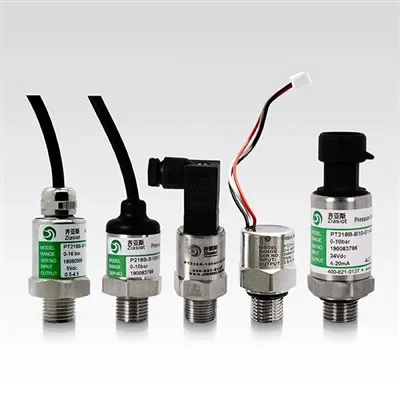
The quality of the ceramic material used in the pressure transmitter is a fundamental factor. High - grade ceramic materials have better mechanical and chemical properties. They are more resistant to wear, corrosion, and fatigue. For example, advanced ceramic materials can withstand high - pressure differentials without cracking or deforming. At our company, we use premium - quality ceramics in our Standard Ceramic Pressure Transmitter. These ceramics are carefully selected for their high strength and excellent electrical insulation properties, which contribute to a longer lifespan.
2. Operating Conditions
The environment in which the pressure transmitter operates plays a significant role. Temperature, humidity, and the presence of corrosive substances can all affect the device's longevity. In high - temperature environments, the ceramic material may experience thermal expansion and contraction, which can lead to internal stresses over time. Similarly, high humidity can cause moisture to penetrate the transmitter, potentially damaging the electrical components. For instance, in industrial applications where the pressure transmitter is exposed to harsh chemicals, a Anti - Crossive Pressure Transmitter is recommended. This type of transmitter is designed with special coatings and materials to resist the corrosive effects of these substances, thereby extending its lifespan.
3. Pressure Cycling
The frequency and magnitude of pressure changes, known as pressure cycling, also impact the lifespan. Each time the pressure changes, the ceramic diaphragm in the transmitter experiences stress. Frequent and large - amplitude pressure cycles can cause fatigue in the ceramic material, leading to cracks and eventually failure. In applications with relatively stable pressure, the transmitter is likely to have a longer lifespan compared to those in systems with rapid and extreme pressure fluctuations.
4. Electrical Overload
Electrical overload can occur when the transmitter is subjected to voltages or currents beyond its rated values. This can damage the internal circuitry and electronic components, reducing the lifespan of the device. Proper electrical protection and correct installation are essential to prevent electrical overload.
Typical Lifespan Estimates
Under normal operating conditions, a well - designed and properly maintained ceramic pressure transmitter can have a lifespan of 5 to 10 years. However, this is just a general estimate, and the actual lifespan can vary widely depending on the factors mentioned above.
In some industrial applications with relatively stable operating conditions, such as monitoring the pressure in a water storage tank, the transmitter may last up to 15 years. On the other hand, in more demanding applications like hydraulic systems in heavy machinery, where there are high - pressure spikes and vibrations, the lifespan might be closer to 3 to 5 years.
Extending the Lifespan of Ceramic Pressure Transmitters
1. Regular Maintenance
Regular maintenance is key to extending the lifespan of a ceramic pressure transmitter. This includes cleaning the device to remove any dirt or debris that could interfere with its operation, checking the electrical connections for tightness and corrosion, and calibrating the transmitter at regular intervals. Calibration ensures that the transmitter provides accurate pressure measurements, and it can also help detect any early signs of wear or malfunction.
2. Proper Installation
Correct installation is crucial. The transmitter should be installed in a location that is protected from extreme environmental conditions and mechanical vibrations. It should also be installed in accordance with the manufacturer's instructions to ensure proper alignment and connection. For example, in a refrigeration system, a Refrigeration Pressure Transmitter should be installed in a way that minimizes its exposure to refrigerant leaks and temperature variations.
3. Monitoring and Early Detection
Implementing a monitoring system can help detect any issues with the pressure transmitter early on. This can involve using sensors to monitor parameters such as temperature, pressure, and electrical signals. By analyzing the data from these sensors, potential problems can be identified before they lead to complete failure, allowing for timely maintenance or replacement.


Conclusion
The lifespan of a ceramic pressure transmitter is influenced by multiple factors, including material quality, operating conditions, pressure cycling, and electrical overload. While a typical lifespan can range from 5 to 10 years, proper maintenance, installation, and monitoring can significantly extend this period.
As a supplier of Ceramic Pressure Transmitters, we are committed to providing high - quality products that offer long - term reliability. Our Anti - Crossive Pressure Transmitter, Standard Ceramic Pressure Transmitter, and Refrigeration Pressure Transmitter are designed to meet the diverse needs of different applications.
If you are in the market for a ceramic pressure transmitter or have any questions about our products, we encourage you to contact us for further discussion and to start a procurement negotiation. We look forward to working with you to find the best pressure - measuring solution for your specific requirements.
References
- "Ceramic Pressure Transmitter Technology and Applications" - Industrial Sensor Handbook
- "Factors Affecting the Reliability of Pressure Transmitters" - Journal of Instrumentation and Control Engineering