What is the difference between a mechanical and an electronic temperature switch?
Leave a message

Hey there! As a temperature switch supplier, I often get asked about the differences between mechanical and electronic temperature switches. So, let's dive right in and break it down.
How They Work
First off, let's talk about how these two types of temperature switches operate. A mechanical temperature switch is pretty straightforward. It uses a physical mechanism, usually a bimetallic strip. This strip is made up of two different metals bonded together. When the temperature changes, these metals expand at different rates, causing the strip to bend. Once it bends enough, it either makes or breaks an electrical contact, which in turn controls a circuit. It's like a simple seesaw that flips when the temperature hits a certain point.
On the other hand, an electronic temperature switch is a bit more high - tech. It uses electronic components like thermistors or integrated circuits to sense temperature. These components change their electrical properties, such as resistance, in response to temperature variations. The switch then processes this change in electrical signal and decides whether to open or close the circuit. It's like having a tiny computer inside the switch that constantly analyzes the temperature data.
Accuracy
Accuracy is a big deal when it comes to temperature switches. Mechanical temperature switches are generally less accurate compared to their electronic counterparts. The bimetallic strip in a mechanical switch has some limitations. The expansion and contraction of the metals can be affected by factors like aging, mechanical stress, and environmental conditions. This can lead to a deviation in the set temperature point, sometimes by a few degrees.
Electronic temperature switches, however, can offer much higher accuracy. The electronic sensors are designed to have very precise responses to temperature changes. They can be calibrated to detect temperature variations within a fraction of a degree. So, if you need a switch for an application where precise temperature control is crucial, like in a laboratory or a high - end manufacturing process, an electronic temperature switch is the way to go.
Response Time
Response time is another important factor. Mechanical temperature switches tend to have a slower response time. The bending of the bimetallic strip takes some time, especially if the temperature change is gradual. It might take a few seconds or even minutes for the switch to react to a temperature change and make the necessary adjustment to the circuit.
Electronic temperature switches are much faster. They can detect temperature changes almost instantaneously and respond within milliseconds. This makes them ideal for applications where rapid temperature changes occur, such as in some industrial cooling systems or in automotive engines.
Adjustability
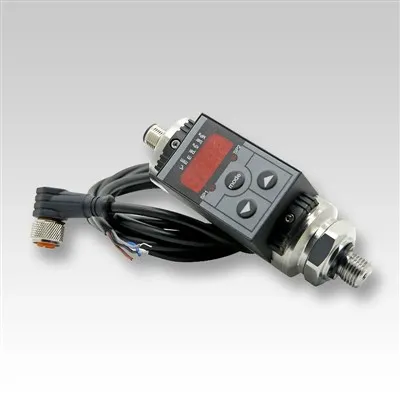
When it comes to adjustability, electronic temperature switches have a clear advantage. With an electronic switch, you can usually easily adjust the set temperature point. Many modern electronic switches come with digital displays and controls, allowing you to set the desired temperature with just a few button presses. Some even offer the option to program multiple temperature set points or to adjust the hysteresis (the difference between the on and off temperatures).
Mechanical temperature switches, on the other hand, are often fixed - set. Once the switch is manufactured, the temperature set point is usually determined by the design of the bimetallic strip. In some cases, you might be able to make a small adjustment, but it's not as flexible as with an electronic switch.
Durability
Mechanical temperature switches are known for their durability. They have a simple design with fewer moving parts compared to electronic switches. The bimetallic strip is a robust component that can withstand a lot of mechanical stress, vibrations, and harsh environmental conditions. They are often used in applications where reliability is key, such as in industrial machinery or in outdoor equipment.
Electronic temperature switches, while generally reliable, are more sensitive to environmental factors. They can be affected by electrical noise, humidity, and temperature extremes. However, modern electronic switches are designed with protective features to minimize these risks. For example, they might have sealed enclosures or built - in filters to protect against electrical interference.
Cost
Cost is always a consideration. Mechanical temperature switches are usually less expensive. Their simple design and manufacturing process make them more affordable, especially for applications where high accuracy and fast response times are not critical. They are a great option for budget - conscious customers or for applications where a large number of switches are needed, like in some residential heating systems.
Electronic temperature switches are more expensive. The cost of the electronic components, the calibration process, and the additional features like digital displays and programmability all contribute to the higher price tag. But if you need the accuracy, adjustability, and fast response time that an electronic switch offers, the investment is often worth it.
Applications
The choice between a mechanical and an electronic temperature switch depends largely on the application. Mechanical temperature switches are commonly used in household appliances like refrigerators, ovens, and water heaters. They are also used in some industrial applications where the temperature requirements are not extremely precise, such as in simple heating and cooling systems.


Electronic temperature switches are widely used in industries where high precision is required. For example, in the pharmaceutical industry, they are used to control the temperature in storage facilities and production processes to ensure the quality of the products. They are also used in data centers to manage the temperature of servers and in automotive applications for engine temperature control.
If you're interested in learning more about our electronic temperature switches, you can check out our Digital Temperature Switch, Smart Digital Automatic Temperature Switch, and Electronic Intellegent Digital Temperature Switch.
In conclusion, both mechanical and electronic temperature switches have their own advantages and disadvantages. The key is to understand your specific requirements and choose the switch that best suits your application. If you're still not sure which type of temperature switch is right for you, don't hesitate to reach out. We're here to help you make the right choice. Whether you need a simple mechanical switch for a basic application or a high - tech electronic switch for a complex system, we've got you covered. Contact us today to start a discussion about your temperature switch needs and let's find the perfect solution together.
References
- "Temperature Sensors and Switches: Principles and Applications" - A technical guide on temperature measurement devices.
- Industry reports on the use of temperature switches in different sectors.
- Manufacturer's specifications for mechanical and electronic temperature switches.