
What is the data logging function of a Turbine Flow Meter?
Leave a message

What is the data logging function of a Turbine Flow Meter?
As a supplier of Turbine Flow Meters, I am often asked about the various features and functions of these devices. One of the most important and useful functions is the data logging function. In this blog post, I will explain what the data logging function of a Turbine Flow Meter is, why it is important, and how it can benefit your business.
Understanding Turbine Flow Meters
Before delving into the data logging function, let's briefly understand what a Turbine Flow Meter is. A Turbine Flow Meter is a type of flow meter that measures the volumetric flow rate of a fluid. It operates on the principle that the rotation speed of a turbine placed in the fluid stream is proportional to the flow rate of the fluid. As the fluid passes through the meter, it causes the turbine to spin, and sensors detect the rotation speed. This information is then used to calculate the flow rate.
What is Data Logging?
Data logging refers to the process of recording data over a period of time. In the context of a Turbine Flow Meter, data logging involves the continuous or periodic recording of flow rate data, along with other relevant information such as temperature, pressure, and time. This recorded data can be stored in the internal memory of the flow meter or transferred to an external device such as a computer or a data logger for further analysis.
Why is Data Logging Important for Turbine Flow Meters?
- Process Monitoring and Control: Data logging allows you to monitor the flow rate of the fluid in real - time and over an extended period. By analyzing the logged data, you can identify trends, patterns, and anomalies in the flow rate. This information can be used to optimize your processes, ensure consistent product quality, and prevent costly downtime. For example, if you notice a sudden drop in the flow rate, it could indicate a blockage in the pipeline or a malfunction in the pump.
- Compliance and Reporting: Many industries are subject to regulatory requirements regarding fluid flow measurement and reporting. Data logging provides a reliable and accurate record of flow rate data, which can be used to demonstrate compliance with these regulations. The logged data can be easily retrieved and presented in the required format for audits and inspections.
- Energy Management: In industrial processes, fluid flow is often associated with energy consumption. By logging flow rate data along with other parameters such as pressure and temperature, you can calculate the energy consumption of the system. This information can be used to identify energy - saving opportunities, optimize the operation of pumps and other equipment, and reduce energy costs.
- Predictive Maintenance: Analyzing the logged data can help you predict when maintenance is required for the Turbine Flow Meter or other components of the system. For example, if the flow rate data shows a gradual decrease over time, it could indicate wear and tear of the turbine blades or other internal components. By performing preventive maintenance based on this data, you can avoid unexpected breakdowns and extend the lifespan of your equipment.
How Does the Data Logging Function Work in a Turbine Flow Meter?
Most modern Turbine Flow Meters are equipped with built - in data logging capabilities. The flow meter continuously measures the flow rate and other parameters and stores the data in its internal memory. The memory capacity of the flow meter can vary depending on the model, but it is typically sufficient to store data for several days, weeks, or even months.
The data logging interval can be configured according to your specific requirements. You can choose to log data at regular intervals, such as every second, minute, hour, or day. Some flow meters also support event - based data logging, where data is recorded only when a specific event occurs, such as a change in the flow rate above a certain threshold.
Once the data is logged, it can be retrieved from the flow meter in several ways. Some flow meters have a built - in display that allows you to view the logged data directly on the device. Others support data transfer via a serial port, USB port, or Ethernet connection. You can use specialized software to transfer the data to a computer for further analysis and visualization.
Comparison with Other Flow Meters
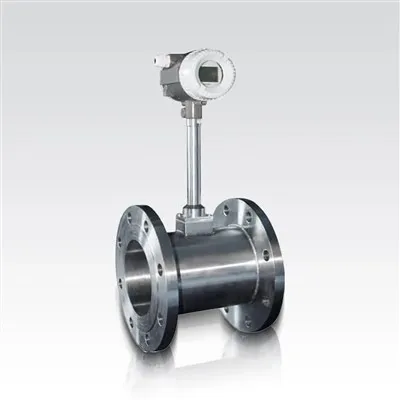
While Turbine Flow Meters are known for their accurate and reliable flow measurement, it's worth comparing their data logging capabilities with other types of flow meters. For example, Vortex Flowmeters are also popular for flow measurement. They work on the principle of the von Kármán vortex street and can provide accurate flow rate measurements over a wide range of flow conditions. However, in terms of data logging, Turbine Flow Meters may offer more flexibility in terms of the types of data that can be logged and the ease of data retrieval.
Another type of flow meter is the LDG Electromagnetic Flowmeter. These flow meters are suitable for measuring the flow rate of conductive fluids. They are known for their high accuracy and low maintenance requirements. However, when it comes to data logging, Turbine Flow Meters may have an edge in terms of the ability to log additional parameters such as temperature and pressure, which can be important for comprehensive process monitoring.
Benefits for Your Business
Implementing a Turbine Flow Meter with data logging capabilities can bring several benefits to your business. Firstly, it can improve the efficiency of your processes by providing real - time and historical data for analysis. This can lead to better decision - making, reduced waste, and increased productivity.
Secondly, the accurate and reliable data logging can enhance the quality of your products or services. By ensuring consistent flow rates, you can maintain the quality of your output and meet customer expectations.
Finally, data logging can help you save costs in the long run. By optimizing your processes, reducing energy consumption, and performing preventive maintenance, you can lower your operational expenses and improve your bottom line.
Conclusion
The data logging function of a Turbine Flow Meter is a powerful tool that can provide valuable insights into your fluid flow processes. It allows for real - time monitoring, compliance reporting, energy management, and predictive maintenance. As a supplier of Turbine Flow Meters, we are committed to providing high - quality products with advanced data logging capabilities.
If you are interested in learning more about our Turbine Flow Meters and how the data logging function can benefit your business, we encourage you to contact us for a detailed discussion. Our team of experts will be happy to assist you in selecting the right flow meter for your specific needs and provide you with all the necessary information to make an informed decision.


References
- "Flow Measurement Handbook: Industrial Designs and Applications" by Richard W. Miller.
- "Instrumentation and Control Systems" by William Bolton.