What components in power generation plants need temperature indicators?
Leave a message

In the realm of power generation, the ability to monitor and control temperature is crucial for the efficient and safe operation of various components within power plants. As a temperature indicator supplier, I understand the significance of accurate temperature monitoring in ensuring the reliability and longevity of power generation equipment. In this blog, we will explore the various components in power generation plants that require temperature indicators and the reasons behind their importance.
1. Boilers
Boilers are the heart of many power generation plants, especially in thermal power plants. They are responsible for converting water into steam by using heat generated from the combustion of fossil fuels, nuclear reactions, or other heat sources. Maintaining the right temperature in boilers is essential for several reasons.
Firstly, the efficiency of steam generation is highly temperature - dependent. If the temperature is too low, the water may not be converted into steam efficiently, leading to a decrease in power output. On the other hand, if the temperature is too high, it can cause overheating of the boiler tubes, leading to material degradation, corrosion, and even tube rupture. Temperature indicators are installed at different points in the boiler, such as in the furnace, the steam drum, and the superheater. These indicators help operators to adjust the fuel supply and air intake to maintain the optimal temperature for steam generation.
2. Turbines
Turbines are used to convert the energy of steam or gas into mechanical energy, which is then used to generate electricity. The efficiency and performance of turbines are directly related to the temperature of the working fluid (steam or gas) and the turbine components themselves.
For steam turbines, the inlet steam temperature is a critical parameter. High - temperature steam can increase the turbine's power output and efficiency. However, if the steam temperature exceeds the design limits, it can cause thermal stress on the turbine blades, leading to creep deformation and reduced blade life. Temperature indicators are installed at the steam inlet, outlet, and various points along the turbine casing to monitor the temperature and ensure that it stays within the safe operating range.


In gas turbines, the combustion temperature is of utmost importance. Monitoring the temperature of the combustion chamber helps to optimize the fuel - air mixture, prevent flashback, and ensure complete combustion. Additionally, temperature sensors are installed on the turbine blades and vanes to detect any overheating, as these components are exposed to extremely high temperatures during operation.
3. Generators
Generators convert mechanical energy from the turbines into electrical energy. During operation, generators produce heat due to electrical resistance and magnetic losses. Excessive heat can damage the insulation of the generator windings, leading to short circuits and reduced generator efficiency.
Temperature indicators are installed in the stator windings, rotor windings, and the generator bearings. These indicators continuously monitor the temperature and provide early warning signals if the temperature rises above the normal operating range. This allows for timely maintenance and corrective actions to prevent generator failures.
4. Transformers
Transformers are used to step up or step down the voltage in power generation plants. They play a crucial role in transmitting electricity efficiently from the power generation site to the grid. Transformers generate heat during operation due to the flow of electrical current through the windings and the magnetic core.
Overheating of transformers can lead to insulation breakdown, which can cause short - circuits and even fires. Temperature indicators are installed in the transformer oil and on the windings to monitor the temperature. By monitoring the temperature, operators can take preventive measures, such as adjusting the load or activating cooling systems, to maintain the transformer's temperature within the safe limits.
5. Cooling Systems
Cooling systems are essential in power generation plants to remove the excess heat generated by various components. They use water or air as a cooling medium. The temperature of the cooling medium needs to be monitored to ensure the proper functioning of the cooling systems.
For example, in water - cooled systems, if the water temperature is too high, it may not be able to absorb enough heat from the components being cooled. Temperature indicators are installed at the inlet and outlet of the cooling water pipes to monitor the water temperature. In air - cooled systems, the temperature of the ambient air and the air leaving the cooling equipment are monitored to ensure efficient heat transfer.
6. Heat Exchangers
Heat exchangers are used to transfer heat from one fluid to another in power generation plants. They are commonly used in processes such as pre - heating the feedwater, cooling the lubricating oil, and condensing the steam.
Maintaining the right temperature difference between the two fluids is crucial for the efficient operation of heat exchangers. Temperature indicators are installed at the inlet and outlet of both the hot and cold fluids to monitor the temperature and ensure that the heat transfer process is working as intended.
The Role of Our Temperature Indicators
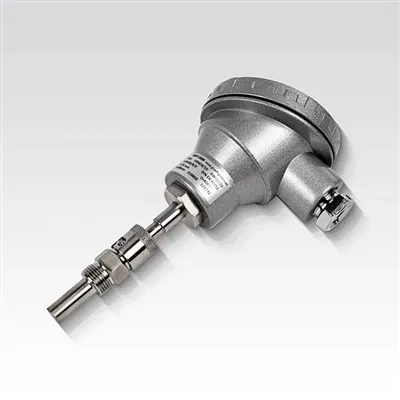
As a temperature indicator supplier, we offer a wide range of high - quality temperature indicators suitable for various applications in power generation plants. Our temperature indicators are designed to provide accurate and reliable temperature measurements, even in harsh environments.
We understand that different components in power generation plants have different temperature monitoring requirements. That's why we offer temperature indicators with different measurement ranges, accuracies, and installation options. Whether you need a simple dial - type temperature indicator for a basic monitoring application or a sophisticated digital temperature indicator with remote monitoring capabilities for a critical component, we have the right solution for you.
Moreover, our temperature indicators are easy to install and maintain. We provide comprehensive technical support to ensure that our customers can install and use our products correctly. We also offer regular calibration services to ensure the long - term accuracy of our temperature indicators.
Related Flowmeters
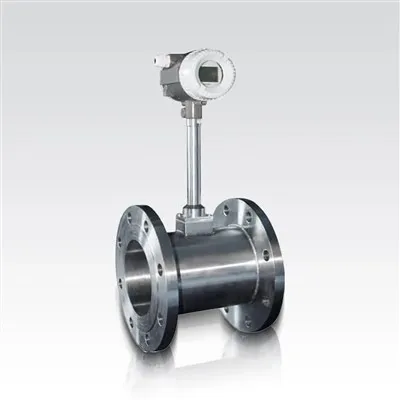
In addition to temperature monitoring, flow measurement is also an important aspect in power generation plants. For accurate flow measurement, we can recommend some reliable flowmeters. The LDG Electromagnetic Flowmeter is suitable for measuring the flow of conductive fluids, which can be used in cooling water systems. The Turbine Flow Meter is ideal for measuring the flow of clean liquids and gases, and it can be used in fuel supply systems. The Vortex Flowmeter is a versatile flowmeter that can measure the flow of liquids, gases, and steam, which can be used in various processes in power plants.
Contact Us for Procurement
If you are in the power generation industry and are looking for high - quality temperature indicators for your power plant, we are here to help. We have a team of experienced professionals who can assist you in selecting the right temperature indicators for your specific needs. We can also provide customized solutions based on your requirements.
Contact us today to start a conversation about your temperature monitoring needs. Let's work together to ensure the efficient and safe operation of your power generation plant through accurate temperature monitoring.
References
- "Power Plant Engineering" by P. K. Nag
- "Thermal Engineering" by R. K. Rajput
- Industry standards and guidelines related to power generation plant operation and maintenance.