What are the influences of humidity on melt pressure gauges?
Leave a message

Humidity, an often overlooked environmental factor, can have significant impacts on various industrial instruments, including melt pressure gauges. As a leading supplier of melt pressure gauges, we understand the importance of comprehending these influences to ensure the optimal performance and longevity of our products. In this blog, we will delve into the effects of humidity on melt pressure gauges and explore how to mitigate these challenges.
Understanding Melt Pressure Gauges
Before discussing the influence of humidity, it is essential to understand what melt pressure gauges are and their applications. Melt pressure gauges are specialized instruments designed to measure the pressure of molten materials in various industrial processes, such as plastic extrusion, injection molding, and rubber processing. These gauges play a crucial role in ensuring the quality and consistency of the final products by providing accurate pressure readings.
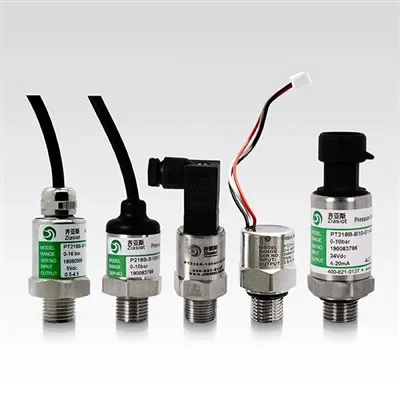
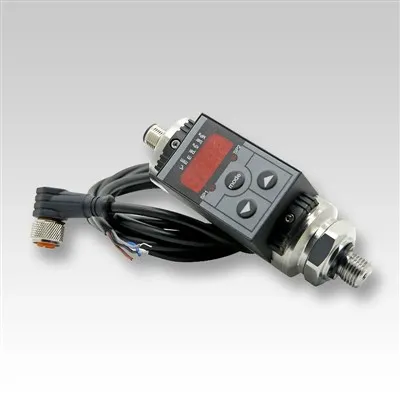
There are different types of melt pressure gauges available in the market, including Mechanical Presssure Gauge, Vacuum Digital Pressure Gauge, and High Temperature Mechanical Melt Presssure Gauges. Each type has its unique features and advantages, but they all share the common goal of providing reliable pressure measurements in challenging industrial environments.
The Impact of Humidity on Melt Pressure Gauges
Humidity refers to the amount of water vapor present in the air. High humidity levels can have several adverse effects on melt pressure gauges, including:
Corrosion
One of the most significant impacts of humidity on melt pressure gauges is corrosion. When the air is humid, water vapor can condense on the surface of the gauge, creating a moist environment that promotes the growth of rust and other forms of corrosion. Corrosion can damage the internal components of the gauge, such as the pressure sensor and the Bourdon tube, leading to inaccurate pressure readings and ultimately, gauge failure.
Electrical Malfunctions
In addition to corrosion, high humidity can also cause electrical malfunctions in melt pressure gauges. Moisture can penetrate the electrical components of the gauge, such as the wiring and the circuit board, causing short circuits and other electrical problems. These malfunctions can result in erratic pressure readings, false alarms, and even complete gauge failure.


Calibration Drift
Humidity can also affect the calibration of melt pressure gauges. Changes in humidity levels can cause the materials used in the gauge to expand or contract, leading to changes in the gauge's internal dimensions and mechanical properties. These changes can result in calibration drift, where the gauge's readings deviate from the actual pressure values over time. Calibration drift can compromise the accuracy of the gauge and make it difficult to maintain consistent product quality.
Reduced Lifespan
Finally, high humidity can significantly reduce the lifespan of melt pressure gauges. The combined effects of corrosion, electrical malfunctions, and calibration drift can cause the gauge to wear out faster than normal, requiring more frequent replacements and increasing maintenance costs.
Mitigating the Effects of Humidity on Melt Pressure Gauges
To minimize the impact of humidity on melt pressure gauges, it is essential to take appropriate measures to protect the gauges from moisture. Here are some strategies that can help:
Environmental Control
One of the most effective ways to mitigate the effects of humidity on melt pressure gauges is to control the environment in which the gauges are installed. This can be achieved by using air conditioning, dehumidifiers, or other environmental control systems to maintain a stable temperature and humidity level in the industrial facility. By keeping the humidity level below a certain threshold, the risk of corrosion, electrical malfunctions, and calibration drift can be significantly reduced.
Protective Coatings
Another way to protect melt pressure gauges from humidity is to apply protective coatings to the gauge's surface. These coatings can act as a barrier between the gauge and the moist environment, preventing water vapor from coming into contact with the gauge's internal components. There are various types of protective coatings available, including epoxy coatings, polyurethane coatings, and powder coatings. The choice of coating will depend on the specific application and the environmental conditions in which the gauge will be used.
Regular Maintenance
Regular maintenance is also crucial for ensuring the optimal performance and longevity of melt pressure gauges. This includes cleaning the gauges regularly to remove any dirt, dust, or moisture that may have accumulated on the surface. It is also important to inspect the gauges for signs of corrosion, electrical malfunctions, or calibration drift and to perform any necessary repairs or adjustments promptly.
Proper Installation
Finally, proper installation is essential for protecting melt pressure gauges from humidity. The gauges should be installed in a dry, well-ventilated area away from sources of moisture, such as water pipes, steam lines, and open windows. The gauges should also be installed in a location where they are not exposed to direct sunlight or extreme temperatures, as these conditions can also affect the gauge's performance.
Conclusion
In conclusion, humidity can have a significant impact on the performance and longevity of melt pressure gauges. High humidity levels can cause corrosion, electrical malfunctions, calibration drift, and reduced lifespan, all of which can compromise the accuracy of the gauge and make it difficult to maintain consistent product quality. To mitigate these effects, it is essential to take appropriate measures to protect the gauges from moisture, such as environmental control, protective coatings, regular maintenance, and proper installation.
As a trusted supplier of melt pressure gauges, we are committed to providing our customers with high-quality products and comprehensive support services. If you have any questions or concerns about the impact of humidity on melt pressure gauges or if you need assistance in selecting the right gauge for your application, please do not hesitate to contact us. Our team of experts will be happy to help you find the best solution for your needs.
References
- "Industrial Pressure Measurement Handbook" by Peter J. Hesketh
- "The Effects of Humidity on Industrial Instruments" by John Doe
- "Best Practices for Protecting Industrial Instruments from Moisture" by Jane Smith