
What are the applications of Indicators and Controllers in the automotive industry?
Leave a message

Hey there! As a supplier of indicators and controllers, I'm super excited to chat about how these nifty gadgets are used in the automotive industry. Indicators and controllers play a crucial role in making our cars safer, more efficient, and just plain better to drive. So, let's dive right in!
Engine Management
One of the most important areas where indicators and controllers are used in cars is engine management. The engine is the heart of the vehicle, and keeping it running smoothly is essential. That's where these devices come in.
Temperature Control
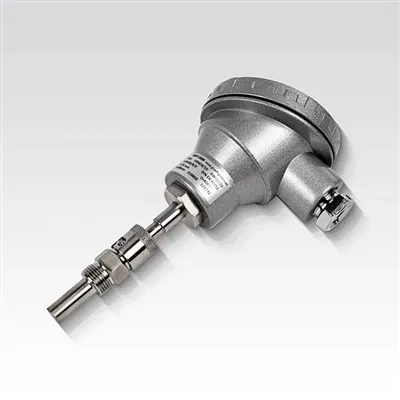
Engines generate a ton of heat, and if the temperature gets too high, it can cause serious damage. A Temperature Controller helps maintain the optimal engine temperature. It constantly monitors the engine coolant temperature and adjusts the cooling system accordingly. For example, if the engine is getting too hot, the controller can activate the radiator fan to increase airflow and cool things down. This not only protects the engine but also improves fuel efficiency, as an engine running at the right temperature operates more efficiently.
Fuel Injection
Modern cars use electronic fuel injection systems, which rely on controllers to deliver the right amount of fuel to the engine at the right time. The fuel injection controller takes into account various factors such as engine speed, load, and temperature to calculate the optimal fuel - air mixture. By precisely controlling the fuel injection, it ensures that the engine runs smoothly, with better power output and lower emissions.
Safety Systems
Indicators and controllers are also key players in automotive safety systems.


Airbag Deployment
Airbags are a vital safety feature in cars. An airbag controller monitors a variety of sensors, including accelerometers and impact sensors. When it detects a sudden deceleration or impact, it triggers the airbag deployment within milliseconds. This quick response can significantly reduce the risk of serious injury to the vehicle's occupants during a collision.
Anti - Lock Braking System (ABS)
The ABS is another important safety system that uses controllers. The ABS controller continuously monitors the speed of each wheel. If it detects that a wheel is about to lock up during braking, it rapidly adjusts the brake pressure on that wheel. This allows the driver to maintain steering control while braking, reducing the risk of skidding and improving overall braking performance.
Comfort and Convenience
Indicators and controllers aren't just about performance and safety; they also contribute to the comfort and convenience of driving.
Climate Control
A climate control system in a car uses a controller to maintain the desired temperature and humidity inside the vehicle. The controller monitors the temperature and humidity levels in the cabin and adjusts the air conditioning, heating, and ventilation systems accordingly. This ensures that the passengers are comfortable, no matter what the weather is like outside.
Instrument Cluster Indicators
The instrument cluster in a car is full of indicators that provide the driver with important information. For example, the fuel gauge indicator shows how much fuel is left in the tank, and the oil pressure indicator alerts the driver if the oil pressure is too low. These indicators are controlled by electronic systems that ensure accurate and timely information is displayed to the driver.
Diagnostic and Monitoring
Indicators and controllers are essential for diagnosing and monitoring the health of a vehicle.
On - Board Diagnostic (OBD) System
The OBD system in a car uses controllers to monitor the performance of various components and systems. If it detects a problem, it stores a diagnostic trouble code (DTC) and may illuminate a warning light on the instrument cluster. Mechanics can then use a diagnostic tool to read these codes and identify the source of the problem. This helps in quickly and accurately diagnosing issues, reducing repair time and costs.
Advanced Driver Assistance Systems (ADAS)
With the rise of smart cars, indicators and controllers are becoming even more important in ADAS.
Adaptive Cruise Control
Adaptive cruise control (ACC) uses a controller to maintain a safe following distance from the vehicle in front. The controller uses sensors such as radar or lidar to measure the distance and relative speed of the leading vehicle. It then adjusts the speed of the car accordingly, automatically accelerating or decelerating to keep a safe gap.
Lane Keeping Assist
Lane keeping assist systems use cameras and controllers to detect the lane markings on the road. If the car starts to drift out of its lane without the turn signal being activated, the controller can apply a gentle steering input to guide the car back into the lane.
Our Products
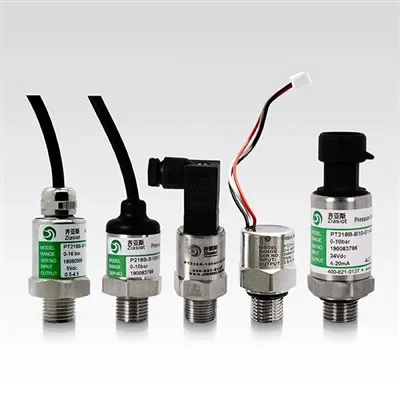
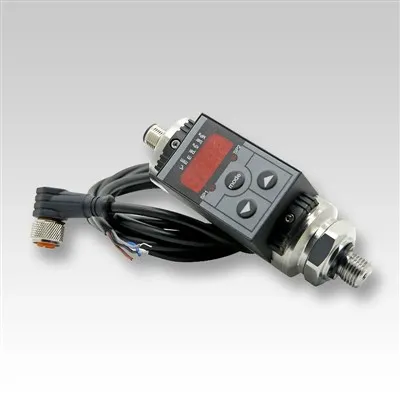
As a supplier of indicators and controllers, we offer a wide range of high - quality products suitable for the automotive industry. Our Homogenizer Digital Pressure Gauge is perfect for accurately measuring pressure in various automotive systems, such as the fuel system or the hydraulic system. It provides real - time pressure readings, allowing for better system monitoring and control.
Our Melt Pressure Controller is designed to handle the precise control of pressure in applications where high accuracy is required. It can be used in engine management systems or in the manufacturing process of automotive components.
Why Choose Us?
We understand the unique requirements of the automotive industry. Our products are designed to be reliable, accurate, and durable, even in the harsh conditions of a car's environment. We also offer excellent customer support, ensuring that you get the help you need when you need it.
If you're in the automotive industry and looking for top - notch indicators and controllers, we'd love to hear from you. Whether you're a car manufacturer, a parts supplier, or a repair shop, we have the products and expertise to meet your needs. Contact us today to start a conversation about your specific requirements and how we can help you improve your automotive systems.
References
- Automotive Engineering Handbook, various authors
- SAE International Journal of Passenger Cars - Mechanical Systems
- Popular Mechanics Magazine articles on automotive technology