
How to use a digital pressure meter in a high - humidity environment?
Leave a message

In industrial environments, high - humidity conditions can pose significant challenges when it comes to using measuring instruments, especially digital pressure meters. As a trusted supplier of digital pressure meters, we understand these challenges and are here to provide you with comprehensive guidance on how to use a digital pressure meter effectively in a high - humidity environment.
Understanding the Impact of High Humidity on Digital Pressure Meters
High humidity can have several adverse effects on digital pressure meters. Firstly, moisture can seep into the internal components of the meter. This can cause corrosion of electronic circuits, leading to malfunctions or inaccurate readings. The presence of water vapor can also interfere with the pressure - sensing elements, altering their performance characteristics. For example, the diaphragm in a pressure - sensing mechanism may absorb moisture, which can change its elasticity and thus affect the accuracy of pressure measurements.
Secondly, humidity can cause condensation inside the meter. When the temperature changes, water droplets can form on the internal surfaces. This condensation can short - circuit electrical connections and damage sensitive components. Additionally, it can create an environment conducive to the growth of mold and mildew, which can further degrade the performance of the meter over time.
Selecting the Right Digital Pressure Meter for High - Humidity Environments
When operating in a high - humidity environment, it is crucial to choose a digital pressure meter that is designed to withstand such conditions. Look for meters with a high level of ingress protection (IP) rating. An IP rating consists of two digits; the first digit indicates protection against solid objects, and the second digit represents protection against liquids. For high - humidity environments, a meter with an IP rating of at least IP65 is recommended. This means the meter is dust - tight and protected against low - pressure water jets from any direction.
Our company offers a wide range of digital pressure meters suitable for high - humidity applications. Our Digital Melt Presssure Gauges are designed with advanced sealing technology to prevent moisture ingress. They are also equipped with corrosion - resistant materials for the internal components, ensuring long - term reliability in humid conditions.
Installation Considerations
Proper installation is key to ensuring the accurate and reliable operation of a digital pressure meter in a high - humidity environment. Here are some important installation tips:
- Mounting Location: Select a mounting location that is protected from direct exposure to water sources such as rain or splashes. Avoid areas where water can accumulate around the meter. If possible, install the meter in an enclosed cabinet or a sheltered area.
- Cable Management: Use moisture - resistant cables for connecting the pressure meter. Ensure that the cable connectors are properly sealed to prevent moisture from entering through the cable entry points.
- Ventilation: Provide adequate ventilation around the meter. This helps to reduce the build - up of humidity inside the meter enclosure. However, the ventilation should be designed in such a way that it does not allow water to enter.
Maintenance and Calibration
Regular maintenance and calibration are essential for the optimal performance of a digital pressure meter in a high - humidity environment.
- Cleaning: Periodically clean the exterior of the meter to remove any dirt, dust, or moisture. Use a soft, dry cloth to wipe the surface. Avoid using abrasive materials or harsh chemicals that could damage the meter.
- Inspection: Conduct regular inspections of the meter for signs of corrosion, condensation, or damage. Check the seals and gaskets to ensure they are intact. If any issues are detected, take appropriate action immediately.
- Calibration: Calibrate the digital pressure meter at regular intervals. High humidity can affect the accuracy of the meter over time, so calibration is necessary to ensure that the readings are reliable. Our company provides calibration services to ensure that your meters are always accurate.
Comparison with Other Pressure Gauges
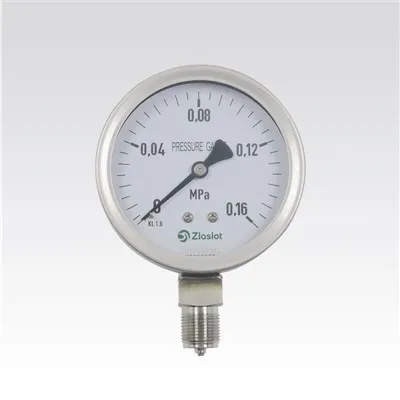
In high - humidity environments, digital pressure meters have several advantages over other types of pressure gauges, such as Mechanical Presssure Gauge. Mechanical pressure gauges rely on mechanical components such as springs and diaphragms, which can be more susceptible to corrosion and damage in humid conditions. Digital pressure meters, on the other hand, have fewer moving parts and are often better protected against moisture ingress.


Another type of gauge is the High Temperature Mechanical Melt Presssure Gauges. While these gauges are designed for high - temperature applications, they may not be as suitable for high - humidity environments as digital pressure meters. Digital meters can offer better resistance to moisture and more accurate readings in such conditions.
Troubleshooting Common Issues
Even with proper installation and maintenance, issues may still arise when using a digital pressure meter in a high - humidity environment. Here are some common problems and their solutions:
- Inaccurate Readings: If the meter is giving inaccurate readings, it could be due to moisture damage or calibration issues. First, check for signs of condensation or corrosion inside the meter. If necessary, dry the meter thoroughly and recalibrate it.
- Display Problems: A malfunctioning display may be caused by moisture - related damage to the electronic components. Check the connections and the internal circuitry for any signs of water damage. If the problem persists, contact our technical support team for further assistance.
- Power Issues: If the meter is not powering on, check the power supply and the battery (if applicable). Moisture can cause corrosion in the power connections, so inspect and clean them if necessary.
Conclusion
Using a digital pressure meter in a high - humidity environment requires careful consideration of several factors, including selection, installation, maintenance, and troubleshooting. As a leading supplier of digital pressure meters, we are committed to providing you with high - quality products and comprehensive support to ensure that your meters operate accurately and reliably in challenging conditions.
If you are interested in purchasing digital pressure meters for your high - humidity applications or need more information about our products and services, please feel free to contact us. Our team of experts is ready to assist you with any questions or concerns you may have.
References
- "Industrial Pressure Measurement Handbook", published by an industrial measurement research institute.
- Technical documents provided by the manufacturers of digital pressure meters.