
How do temperature indicators ensure the safety of chemical experiments?
Leave a message

In the realm of chemical experiments, safety stands as the cornerstone of every operation. Chemical reactions can be unpredictable, often accompanied by significant temperature changes that, if not properly monitored, can lead to disastrous consequences. This is where temperature indicators come into play. As a trusted temperature indicator supplier, I've witnessed firsthand how these devices are indispensable for ensuring the safety of chemical experiments.
Understanding the Role of Temperature in Chemical Reactions
Before delving into the significance of temperature indicators, it's crucial to understand the role of temperature in chemical reactions. Temperature can influence the rate of a reaction, the equilibrium position, and even the products formed. For instance, in an exothermic reaction, heat is released as the reaction proceeds. If the heat is not dissipated effectively, the temperature can rise rapidly, potentially causing the reaction to become uncontrollable. On the other hand, in an endothermic reaction, heat is absorbed from the surroundings. If the temperature drops too low, the reaction may slow down or stop altogether.
Moreover, many chemicals have specific temperature ranges within which they are stable. Exceeding these ranges can lead to decomposition, combustion, or the release of toxic gases. For example, some organic peroxides are highly unstable at elevated temperatures and can explode if not stored and handled properly.
How Temperature Indicators Work
Temperature indicators are devices that measure and display the temperature of a substance or environment. There are several types of temperature indicators available, each with its own advantages and limitations.
- Thermocouples: These are the most common type of temperature sensors used in chemical experiments. They consist of two different metals joined together at one end. When there is a temperature difference between the junction and the other end of the wires, a voltage is generated. This voltage is proportional to the temperature difference and can be measured to determine the temperature. Thermocouples are known for their wide temperature range, fast response time, and durability.
- Resistance Temperature Detectors (RTDs): RTDs work on the principle that the electrical resistance of a metal changes with temperature. They are more accurate than thermocouples but are also more expensive and have a slower response time. RTDs are often used in applications where high accuracy is required, such as in pharmaceutical and food processing industries.
- Infrared Thermometers: These non - contact temperature sensors measure the infrared radiation emitted by an object to determine its temperature. They are useful for measuring the temperature of objects that are difficult to reach or that are moving. Infrared thermometers are commonly used in industrial applications, such as monitoring the temperature of furnaces and engines.
Ensuring Safety through Temperature Monitoring
Temperature indicators play a vital role in ensuring the safety of chemical experiments in several ways:
1. Preventing Overheating
One of the primary functions of temperature indicators is to prevent overheating of reaction vessels. By continuously monitoring the temperature, researchers can detect any abnormal temperature increases and take appropriate action. For example, if the temperature of a reaction mixture starts to rise rapidly, the researcher can stop the addition of reactants, increase the cooling rate, or even terminate the experiment if necessary. This helps to prevent runaway reactions, which can lead to explosions or the release of toxic substances.
2. Maintaining Optimal Reaction Conditions
Many chemical reactions require specific temperature ranges to proceed efficiently. Temperature indicators allow researchers to maintain these optimal conditions by providing real - time temperature data. If the temperature deviates from the desired range, the researcher can adjust the heating or cooling system accordingly. This ensures that the reaction proceeds as planned, resulting in higher yields and better - quality products.
3. Detecting Leaks and Contamination
In some cases, a sudden change in temperature can indicate a leak or contamination in the reaction system. For example, if a coolant leak occurs, the temperature of the reaction vessel may increase, which can be detected by the temperature indicator. Similarly, if a foreign substance is introduced into the reaction mixture, it may cause a change in the reaction kinetics and the temperature. By monitoring the temperature, researchers can quickly identify and address these issues, preventing potential safety hazards.
Complementary Devices for Overall Safety
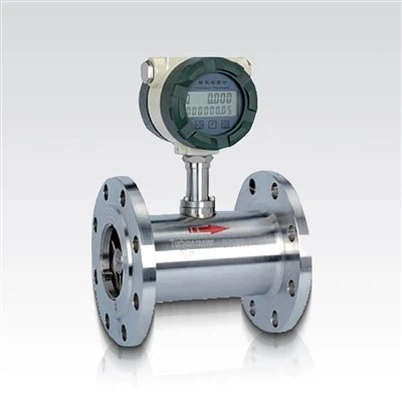
In addition to temperature indicators, other devices are often used in chemical experiments to enhance safety and efficiency. For example, flow meters are essential for controlling the flow rate of reactants and products. The LDG Electromagnetic Flowmeter, Vortex Flowmeter, and Turbine Flow Meter are all reliable options that can provide accurate flow rate measurements. By ensuring that the correct amount of reactants is added to the reaction vessel, flow meters help to maintain the desired reaction conditions and prevent over - or under - dosing.
The Importance of Quality Temperature Indicators
As a temperature indicator supplier, I understand the importance of providing high - quality products. A reliable temperature indicator should be accurate, durable, and easy to use. It should also be able to withstand the harsh conditions often found in chemical laboratories, such as exposure to corrosive chemicals and high temperatures.
When selecting a temperature indicator, it's important to consider the specific requirements of the experiment. For example, if the experiment involves high temperatures, a thermocouple may be the best choice. If high accuracy is required, an RTD may be more suitable. Additionally, it's important to choose a temperature indicator that is properly calibrated to ensure accurate measurements.


Conclusion
In conclusion, temperature indicators are essential for ensuring the safety of chemical experiments. By providing real - time temperature data, they help researchers prevent overheating, maintain optimal reaction conditions, and detect potential safety hazards. As a temperature indicator supplier, I am committed to providing high - quality products that meet the needs of the scientific community.
If you are involved in chemical experiments and are looking for reliable temperature indicators or other related devices, I encourage you to contact us for more information. We can help you select the right products for your specific applications and provide you with the technical support you need to ensure the success and safety of your experiments.
References
- Atkins, P. W., & de Paula, J. (2014). Physical Chemistry. Oxford University Press.
- Skoog, D. A., West, D. M., Holler, F. J., & Crouch, S. R. (2013). Fundamentals of Analytical Chemistry. Cengage Learning.
- Perry, R. H., & Green, D. W. (2008). Perry's Chemical Engineers' Handbook. McGraw - Hill.