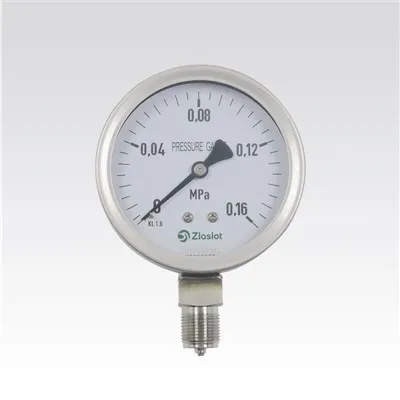

How to store a Homogenizer Pressure Gauge when not in use?
Leave a message

Hey there! As a supplier of Homogenizer Pressure Gauges, I often get asked about the best way to store these nifty little devices when they're not in use. It's a crucial question because proper storage can significantly extend the lifespan of your pressure gauge and ensure it performs at its best when you need it. So, let's dive into some tips on how to store your Homogenizer Pressure Gauge correctly.
Clean It First
Before you even think about storing your pressure gauge, you gotta give it a good cleaning. Over time, dirt, grime, and other contaminants can build up on the gauge, which can not only affect its accuracy but also cause damage. Use a soft, lint - free cloth to wipe down the exterior of the gauge. If there are stubborn stains, you can use a mild cleaning solution, but make sure it's compatible with the gauge's materials. Avoid using abrasive cleaners or harsh chemicals as they can scratch or corrode the gauge.
Protect the Dial
The dial of the Homogenizer Pressure Gauge is one of its most important parts. It's where you read the pressure measurements, so you want to keep it in top condition. You can use a protective cover to shield the dial from dust, scratches, and other potential damage. Some gauges come with their own built - in covers, but if yours doesn't, you can find aftermarket covers that fit your gauge. These covers are usually made of clear plastic or glass, allowing you to still see the dial while providing protection.
Keep It in a Dry Place
Moisture is the enemy of any pressure gauge. It can cause rust, corrosion, and electrical problems, especially if your gauge has electronic components. When storing your Homogenizer Pressure Gauge, find a dry place to keep it. A climate - controlled storage room or a cabinet away from windows and water sources is ideal. You can also use desiccant packs to absorb any excess moisture in the storage area. These packs are readily available at most hardware stores and can make a big difference in protecting your gauge.
Avoid Extreme Temperatures
Extreme temperatures can also have a negative impact on the performance and lifespan of your pressure gauge. High temperatures can cause the materials inside the gauge to expand, while low temperatures can make them contract. This can lead to inaccurate readings and even permanent damage. So, store your gauge in an area where the temperature is relatively stable. Avoid storing it in places like attics, basements, or garages where the temperature can fluctuate wildly.


Store It in a Protective Case
If you have a protective case for your Homogenizer Pressure Gauge, use it! A good case will provide an extra layer of protection against bumps, drops, and other physical damage. It can also keep the gauge organized and easy to transport if you need to move it around. Make sure the case is the right size for your gauge and has enough padding to cushion it.
Check It Regularly
Even when your gauge is in storage, it's a good idea to check on it regularly. Take it out of storage every few months, give it a quick inspection, and make sure it's still in good condition. Look for any signs of damage, such as cracks, rust, or loose parts. If you notice anything wrong, it's best to address it right away. You can either repair the gauge yourself if you have the skills or send it to a professional for servicing.
Different Types of Pressure Gauges and Their Storage Considerations
As a supplier, I offer different types of pressure gauges, and each type may have specific storage requirements.
-
High Temperature Mechanical Melt Presssure Gauges: These gauges are designed to withstand high temperatures, but that doesn't mean they're immune to damage during storage. Since they're often used in industrial settings where there may be exposure to harsh chemicals and high - heat environments, it's even more important to clean them thoroughly before storage. You can learn more about these gauges on our website: High Temperature Mechanical Melt Presssure Gauges.
-
Mechanical Presssure Gauge: Mechanical pressure gauges rely on mechanical components to measure pressure. These components can be sensitive to shock and vibration. When storing a mechanical pressure gauge, make sure it's placed in a stable position where it won't be jostled around. You can find more information about our mechanical pressure gauges here: Mechanical Presssure Gauge.
-
Digital Melt Presssure Gauges: Digital pressure gauges have electronic components that can be affected by static electricity, moisture, and temperature changes. When storing a digital melt pressure gauge, it's a good idea to keep it in an anti - static bag to protect it from static discharge. Also, make sure to follow the general storage tips about keeping it dry and at a stable temperature. Check out our digital melt pressure gauges on our website: Digital Melt Presssure Gauges.
Conclusion
Proper storage of your Homogenizer Pressure Gauge is essential for maintaining its accuracy, performance, and lifespan. By following these tips, you can ensure that your gauge is in good condition when you need to use it again. If you're in the market for a new pressure gauge or have any questions about storage or maintenance, don't hesitate to reach out. We're here to help you make the best choice for your needs and ensure that your pressure gauge serves you well for years to come. Whether you're a small - scale user or a large industrial operation, we have the right pressure gauge for you. So, let's start a conversation about your pressure gauge requirements and see how we can work together!
References
- General knowledge about pressure gauge maintenance and storage from industry experience.
- Manufacturer's guidelines for Homogenizer Pressure Gauges.