
What are the compatibility requirements for a compact pressure transmitter with other equipment?
Leave a message

As a supplier of compact pressure transmitters, I understand the importance of compatibility when integrating these devices with other equipment. In this blog post, I'll explore the key compatibility requirements for compact pressure transmitters and how they interact with various systems.
Electrical Compatibility
One of the primary considerations when using a compact pressure transmitter is electrical compatibility. The transmitter must be able to operate within the electrical specifications of the system it is connected to. This includes factors such as power supply voltage, current consumption, and signal output.
Most compact pressure transmitters are designed to work with a standard power supply voltage, typically in the range of 12 - 36 VDC. It is crucial to ensure that the power supply provided to the transmitter matches this requirement. Using an incorrect power supply voltage can lead to improper operation or even damage to the transmitter.
The current consumption of the transmitter is also an important factor. Some systems may have limitations on the amount of current they can supply. Therefore, it is necessary to check the current draw of the pressure transmitter and ensure that it does not exceed the capacity of the power source.
Signal output is another critical aspect of electrical compatibility. Compact pressure transmitters usually provide output signals such as 4 - 20 mA, 0 - 5 VDC, or 0 - 10 VDC. The receiving equipment, such as a data acquisition system or a control panel, must be able to accept and process these signals. It is essential to verify that the signal output of the transmitter is compatible with the input requirements of the connected equipment.
Mechanical Compatibility
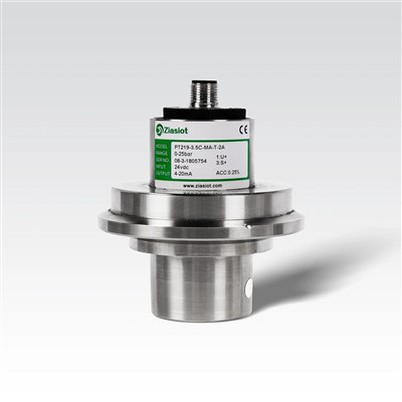
Mechanical compatibility is equally important when integrating a compact pressure transmitter with other equipment. The physical dimensions of the transmitter must fit within the available space in the system. This includes considerations such as the size, shape, and mounting options of the transmitter.
Compact pressure transmitters come in various sizes and shapes, and it is necessary to select a model that can be easily installed in the intended location. Some transmitters may require specific mounting brackets or adapters to fit properly. Additionally, the connection ports of the transmitter, such as the pressure inlet and electrical connectors, must be compatible with the corresponding ports on the other equipment.


For example, if the pressure transmitter is to be connected to a pipeline, the pressure inlet must have the appropriate thread size and type to ensure a secure and leak - free connection. Similarly, the electrical connectors must match the connectors on the receiving equipment to establish a reliable electrical connection.
Environmental Compatibility
The operating environment of the compact pressure transmitter can significantly affect its compatibility with other equipment. Factors such as temperature, humidity, vibration, and chemical exposure need to be considered.
Temperature is a critical factor as it can affect the performance and accuracy of the pressure transmitter. Some transmitters are designed to operate in a wide temperature range, while others may have more limited temperature capabilities. It is important to select a transmitter that can withstand the temperature conditions of the application. For high - temperature applications, you may consider a High Temperature Pressure Transmitter which is specifically designed to handle elevated temperatures.
Humidity can also have an impact on the performance of the pressure transmitter. High humidity levels can cause corrosion or electrical short - circuits. Transmitters with proper sealing and moisture - resistant features should be selected for applications in humid environments.
Vibration and shock can cause mechanical damage to the pressure transmitter and affect its accuracy. If the application involves significant vibration, a transmitter with vibration - resistant features should be chosen.
Chemical exposure is another concern, especially in industrial applications. The pressure transmitter must be made of materials that are resistant to the chemicals present in the environment. For example, in a chemical processing plant, the transmitter may need to be constructed from corrosion - resistant materials such as stainless steel or Hastelloy.
Communication Compatibility
In modern industrial systems, communication between different devices is essential. Compact pressure transmitters may need to communicate with other equipment such as programmable logic controllers (PLCs), human - machine interfaces (HMIs), or supervisory control and data acquisition (SCADA) systems.
The communication protocol used by the pressure transmitter must be compatible with the communication capabilities of the connected equipment. Common communication protocols include Modbus, Profibus, and HART. It is important to ensure that the transmitter and the receiving equipment support the same communication protocol to enable seamless data transfer.
For example, if a PLC is used to monitor and control the pressure in a system, the pressure transmitter must be able to communicate with the PLC using a compatible protocol. This allows for real - time monitoring of pressure data and enables the PLC to take appropriate control actions based on the pressure readings.
Compatibility with Safety Systems
In many industrial applications, safety is of utmost importance. Compact pressure transmitters may need to be integrated with safety systems such as emergency shutdown systems (ESDs) or safety instrumented systems (SISs).
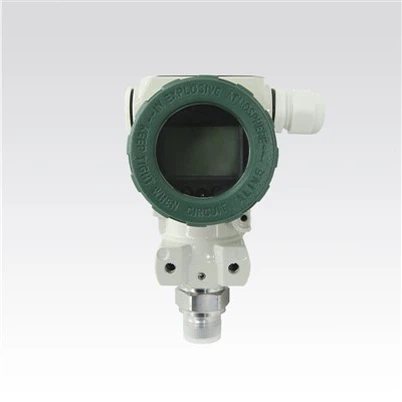
The pressure transmitter must be able to meet the safety requirements of the system. This includes factors such as reliability, accuracy, and fault tolerance. For applications where explosion - proof operation is required, an Explosion Proof Pressure Transmitter should be used. These transmitters are designed to prevent the ignition of explosive gases or vapors in hazardous environments.
The transmitter should also be able to provide reliable and accurate pressure readings under normal and abnormal operating conditions. In the event of a fault, the transmitter should be able to provide diagnostic information to the safety system, allowing for timely maintenance and repair.
Compatibility with Display and Indication Devices
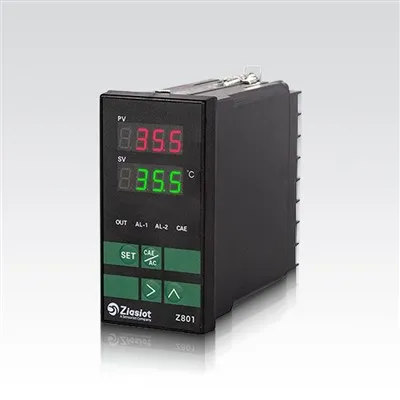
In some applications, it may be necessary to display the pressure readings from the compact pressure transmitter. This can be achieved using a Pressure Transmitter With Indicator. The transmitter must be compatible with the display device in terms of signal output and communication.
The display device should be able to receive and display the pressure data provided by the transmitter. This may involve matching the signal output of the transmitter (e.g., 4 - 20 mA or 0 - 5 VDC) with the input requirements of the display device. Additionally, the display device may need to support the same communication protocol as the transmitter for more advanced features such as data logging and remote monitoring.
Conclusion
In conclusion, ensuring the compatibility of a compact pressure transmitter with other equipment is crucial for the proper functioning of the overall system. Electrical, mechanical, environmental, communication, safety, and display compatibility all need to be carefully considered.
As a supplier of compact pressure transmitters, we understand the importance of providing products that meet the diverse compatibility requirements of our customers. Our team of experts can assist you in selecting the right pressure transmitter for your specific application and ensuring seamless integration with your existing equipment.
If you are interested in learning more about our compact pressure transmitters or have any questions regarding compatibility, please feel free to contact us for a detailed discussion. We look forward to working with you to meet your pressure measurement needs.
References
- [1] “Industrial Pressure Transmitter Handbook,” ABC Publishing, 2023.
- [2] “Principles of Pressure Measurement,” XYZ Publications, 2022.