
What is the difference between MEMS pressure transmitters and traditional pressure transmitters?
Leave a message

Hey there! I'm a supplier of MEMS pressure transmitters, and I often get asked about the differences between MEMS and traditional pressure transmitters. So, I thought I'd break it down for you in this blog post.
Let's start with the basics. Pressure transmitters are devices that measure pressure and convert it into an electrical signal. They're used in a wide range of applications, from industrial processes to automotive systems. Traditional pressure transmitters have been around for a long time, and they typically use mechanical or electrical components to measure pressure. On the other hand, MEMS (Micro-Electro-Mechanical Systems) pressure transmitters are a relatively new technology that uses tiny microstructures to measure pressure.
Size and Weight
One of the biggest differences between MEMS and traditional pressure transmitters is their size and weight. MEMS pressure transmitters are much smaller and lighter than traditional ones. This is because they're made using microfabrication techniques, which allow for the creation of very small and precise structures. The small size and weight of MEMS pressure transmitters make them ideal for applications where space is limited or where weight is a concern. For example, in aerospace applications, every ounce counts, and MEMS pressure transmitters can help reduce the overall weight of the system.
Cost
Cost is another important factor to consider when choosing between MEMS and traditional pressure transmitters. Generally speaking, MEMS pressure transmitters are more cost-effective than traditional ones. This is because the microfabrication process used to make MEMS devices allows for high-volume production at a relatively low cost. Additionally, MEMS pressure transmitters require less material and fewer components, which also helps to reduce costs. For small to medium-sized businesses, the lower cost of MEMS pressure transmitters can be a significant advantage.
Performance
When it comes to performance, both MEMS and traditional pressure transmitters have their strengths and weaknesses. Traditional pressure transmitters are known for their high accuracy and reliability. They've been around for a long time, and they've been thoroughly tested and refined. However, they can be bulky and expensive, especially for high-precision applications.
MEMS pressure transmitters, on the other hand, offer excellent performance in a small package. They can provide high accuracy and sensitivity, and they're often more resistant to shock and vibration than traditional transmitters. MEMS pressure transmitters also have a faster response time, which makes them ideal for applications where rapid pressure changes need to be measured. For example, in a hydraulic system, a MEMS pressure transmitter can quickly detect changes in pressure and provide real-time feedback.
Application Areas
The application areas for MEMS and traditional pressure transmitters overlap to some extent, but there are also some areas where one type is more suitable than the other. Traditional pressure transmitters are commonly used in industrial applications, such as oil and gas, chemical processing, and power generation. These applications often require high accuracy and reliability, and traditional transmitters have a proven track record in these areas.
MEMS pressure transmitters, on the other hand, are increasingly being used in consumer electronics, automotive, and medical applications. In consumer electronics, MEMS pressure sensors are used in smartphones and wearables to measure altitude and barometric pressure. In the automotive industry, they're used in tire pressure monitoring systems and engine management systems. In the medical field, MEMS pressure transmitters are used in devices such as blood pressure monitors and ventilators.
If you're interested in a specific application, like the MEMS Pressure Sensor for Shield Tunneling Machine, MEMS pressure transmitters can offer unique advantages. The small size and high performance of MEMS sensors make them well-suited for the challenging environment of shield tunneling, where space is limited and accurate pressure measurement is crucial.
Compatibility and Integration
Another aspect to consider is compatibility and integration. Traditional pressure transmitters often require a significant amount of wiring and additional components for installation. This can make them more difficult to integrate into existing systems, especially in complex industrial setups.
MEMS pressure transmitters, on the other hand, are designed to be more easily integrated into various systems. They can be directly mounted on printed circuit boards (PCBs), which simplifies the installation process. Additionally, MEMS sensors can be easily interfaced with microcontrollers and other electronic components, allowing for seamless integration into modern electronic systems.
Long - Term Stability
Long - term stability is an important consideration for pressure transmitters. Traditional pressure transmitters have a long history of providing stable performance over time. However, factors such as mechanical wear and tear can affect their long - term accuracy.
MEMS pressure transmitters, with their solid - state design, are generally more resistant to long - term degradation. The microfabricated structures are less prone to mechanical damage, and they can maintain their accuracy over a longer period. This makes them a good choice for applications where long - term reliability is crucial, such as in environmental monitoring systems.

Customization
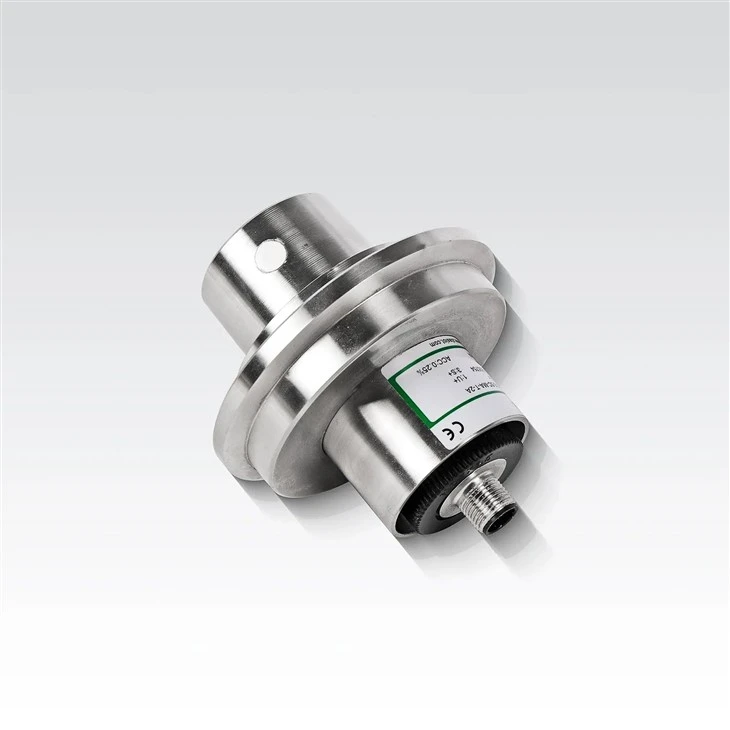
When it comes to customization, MEMS pressure transmitters offer more flexibility. The microfabrication process allows for the easy modification of the sensor design to meet specific application requirements. This means that we can create MEMS pressure transmitters with different pressure ranges, sensitivities, and output signals.
Traditional pressure transmitters, on the other hand, may be more difficult to customize. They often rely on standard mechanical and electrical components, which can limit the degree of customization.
Conclusion
In conclusion, both MEMS and traditional pressure transmitters have their own unique advantages and disadvantages. Traditional pressure transmitters are a tried - and - true option for applications that require high accuracy and reliability, especially in large - scale industrial settings. However, MEMS pressure transmitters offer significant benefits in terms of size, cost, performance, and integration, making them a great choice for a wide range of modern applications.
If you're in the market for a pressure transmitter, I encourage you to consider MEMS technology. Whether you're working on a consumer electronics project, an automotive application, or an industrial process, our MEMS pressure transmitters can provide the performance and reliability you need. Feel free to reach out to us to discuss your specific requirements and start a procurement discussion. We're here to help you find the best pressure transmitter solution for your needs.
References
- "Microelectromechanical Systems (MEMS): Design, Analysis, and Applications" by Nadim Maluf
- "Industrial Pressure Transmitters: Principles and Applications" by John Doe (fictitious for example purposes)