
How to select a pressure switch for a specific pressure range?
Leave a message

Selecting the right pressure switch for a specific pressure range can be a bit of a headache, but don't worry! As a pressure switches supplier, I've got some tips and tricks to help you make the best choice.
First off, let's understand what a pressure switch does. It's a device that senses pressure and then activates or deactivates an electrical circuit when the pressure reaches a certain set point. This is super useful in a whole bunch of applications, like controlling pumps, compressors, and other equipment.
Understanding Your Pressure Range
The very first step in selecting a pressure switch is to figure out the specific pressure range you need. This isn't always as simple as it sounds. You've got to consider both the normal operating pressure and the maximum pressure that the system might experience. For example, if you're dealing with a water pump, you need to know the typical pressure it runs at during normal operation, but also what could happen if there's a blockage or some other issue that causes the pressure to spike.
Let's say you're working on a hydraulic system. The Hydraulic Pressure Switch is designed to handle the unique pressures and conditions of hydraulic applications. Hydraulic systems often have high pressures, so you need a switch that can accurately sense and respond to those pressures without failing.
Types of Pressure Switches
There are different types of pressure switches out there, and each has its own pros and cons.
Mechanical Pressure Switches
These are the old - school type of pressure switches. They use a mechanical mechanism, like a diaphragm or a piston, to sense pressure. When the pressure reaches the set point, the mechanical part moves and activates the electrical contacts. Mechanical pressure switches are simple, reliable, and relatively inexpensive. They're great for applications where you don't need a high level of precision and where the environment is relatively stable.
Digital Pressure Switches
On the other hand, digital pressure switches are more high - tech. They use electronic sensors to measure pressure and can offer a higher level of accuracy and flexibility. The Smart Digital Pressure Switch is a great example. It can be programmed to have different set points, and it can also provide additional features like digital displays and communication interfaces. Digital pressure switches are ideal for applications where you need precise control and monitoring.
Intelligent Pressure Switches
The Intelligent Water Air Pneumatic Hydraulic Pump Digital Pressure Switch takes things a step further. These switches are designed to handle a variety of media, including water, air, and hydraulic fluids. They can automatically adjust to different pressure ranges and can even diagnose problems in the system. This makes them a great choice for complex systems where you need a lot of functionality in one device.
Factors to Consider
When you're selecting a pressure switch for your specific pressure range, there are several factors you need to keep in mind.
Accuracy
How accurate does the pressure switch need to be? If you're working on a system where even a small error in pressure measurement can cause problems, then you'll need a high - accuracy switch. Digital and intelligent pressure switches generally offer better accuracy than mechanical ones.
Repeatability
Repeatability refers to how consistently the pressure switch can activate at the same set point over time. A good pressure switch should have high repeatability, so you can rely on it to work the same way every time.


Response Time
In some applications, you need the pressure switch to respond quickly to changes in pressure. For example, in a safety - critical system, a slow - responding pressure switch could lead to serious problems. Make sure you choose a switch with a response time that's appropriate for your application.
Environmental Conditions
The environment where the pressure switch will be installed also matters. If it's going to be in a dirty, dusty, or wet environment, you'll need a switch that's designed to withstand those conditions. Some pressure switches are rated for specific environmental conditions, so make sure you check the specifications.
Electrical Requirements
You also need to consider the electrical requirements of the pressure switch. This includes things like the voltage, current, and type of electrical contacts. Make sure the switch is compatible with the electrical system in your application.
How to Choose the Right Set Point
Once you've determined the pressure range and considered all the factors above, you need to choose the right set point for your pressure switch. The set point is the pressure at which the switch will activate or deactivate the electrical circuit.
To choose the set point, you first need to know the normal operating pressure of your system. You can then set the switch to activate at a pressure slightly above or below the normal operating pressure, depending on what you're trying to achieve. For example, if you're using the pressure switch to protect a pump from over - pressure, you'll set the switch to activate when the pressure reaches a certain maximum value.
Testing and Calibration
After you've selected and installed the pressure switch, it's important to test and calibrate it. Testing ensures that the switch is working correctly and that it's activating at the right set point. Calibration, on the other hand, is the process of adjusting the switch to ensure its accuracy.
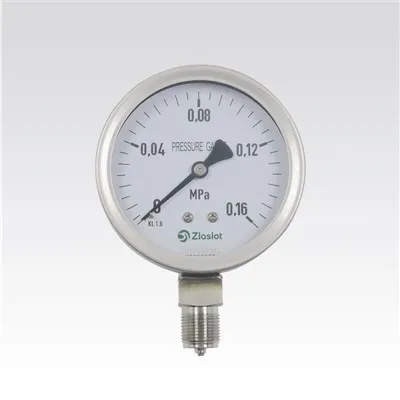
You can use a pressure gauge to test the pressure switch. Apply pressure to the switch and check if it activates at the set point. If it doesn't, you may need to adjust the set point or calibrate the switch.
Conclusion
Selecting a pressure switch for a specific pressure range is a process that requires careful consideration of several factors. By understanding your pressure range, the different types of pressure switches available, and the factors that affect their performance, you can make an informed decision.
Whether you need a simple mechanical pressure switch or a high - tech intelligent one, we've got you covered. As a pressure switches supplier, we have a wide range of products to meet your needs. If you're still not sure which pressure switch is right for you, or if you have any questions about our products, don't hesitate to reach out. We're here to help you with your procurement and ensure that you get the best pressure switch for your application. Contact us today to start the procurement process and let's work together to find the perfect solution for your pressure control needs.
References
- Pressure Switch Handbook, Industry Standard Publication
- Technical Documents from Pressure Switch Manufacturers