
How to connect the output signal of a melt temperature transmitter?
Leave a message

As a trusted supplier of Melt Temperature Transmitters, I understand the importance of correctly connecting the output signal of these devices. In this blog post, I will guide you through the process, providing detailed steps and essential considerations to ensure a seamless connection and optimal performance.
Understanding the Basics of Melt Temperature Transmitters
Before delving into the connection process, it's crucial to have a basic understanding of melt temperature transmitters. These devices are designed to measure the temperature of molten materials in various industrial processes, such as extrusion, injection molding, and blow molding. They typically consist of a temperature sensor and a transmitter unit that converts the sensor's signal into a standardized output, such as 4-20 mA or 0-10 VDC.
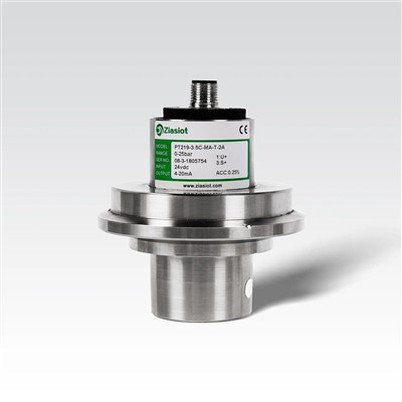
There are several types of melt temperature transmitters available in the market, including Extruder Melt Temperature Transmitter, Integrated Melt Temperature Transmitter, and Melt Temperature Sensor for Extrusion. Each type has its own unique features and specifications, so it's important to choose the one that best suits your application requirements.
Preparing for the Connection
Before connecting the output signal of a melt temperature transmitter, it's essential to take the necessary precautions to ensure your safety and the proper functioning of the device. Here are some important steps to follow:
- Power Off the System: Before making any connections, ensure that the power to the system is turned off to prevent electrical shock or damage to the equipment.
- Gather the Required Tools and Materials: You will need a set of basic tools, such as a screwdriver, wire strippers, and a multimeter, to perform the connection. Additionally, make sure you have the appropriate cables and connectors for your specific transmitter model.
- Identify the Output Signal Type: Determine the type of output signal provided by your melt temperature transmitter, such as 4-20 mA, 0-10 VDC, or another standardized signal. This information is usually specified in the device's user manual or datasheet.
- Understand the Receiver Requirements: Familiarize yourself with the input requirements of the receiver device, such as a PLC, data logger, or control panel. Ensure that the output signal of the transmitter is compatible with the input of the receiver.
Connecting the Output Signal
Once you have completed the preparation steps, you can proceed with connecting the output signal of the melt temperature transmitter. The following steps provide a general guideline for the connection process:


- Locate the Output Terminals: Identify the output terminals on the transmitter unit. These terminals are typically labeled with the signal type and polarity, such as "+" and "-" for a 4-20 mA signal or "V+" and "V-" for a 0-10 VDC signal.
- Strip the Cable Ends: Use wire strippers to remove a small portion of the insulation from the ends of the cables that will be connected to the transmitter output terminals. Make sure to strip the insulation evenly and avoid damaging the conductors.
- Connect the Cables: Connect the stripped ends of the cables to the corresponding output terminals on the transmitter unit. Ensure that the connections are secure and tight to prevent loose connections or electrical interference.
- Route the Cables: Carefully route the cables from the transmitter to the receiver device, avoiding any sharp edges, moving parts, or areas of high heat or moisture. Use cable ties or conduit to secure the cables and protect them from damage.
- Connect to the Receiver: Once the cables are routed to the receiver device, connect them to the appropriate input terminals on the receiver. Follow the manufacturer's instructions for the receiver device to ensure a proper connection.
- Verify the Connection: After making the connections, use a multimeter to verify that the output signal of the transmitter is within the expected range and that there are no electrical shorts or open circuits. If any issues are detected, double-check the connections and troubleshoot the problem accordingly.
Considerations for a Successful Connection
In addition to following the above steps, there are several other considerations that can help ensure a successful connection of the output signal of a melt temperature transmitter:
- Electrical Noise: To minimize the effects of electrical noise, use shielded cables and proper grounding techniques. Ensure that the shield is connected to a reliable ground point at one end of the cable only to prevent ground loops.
- Signal Conditioning: In some cases, the output signal of the transmitter may need to be conditioned before it can be used by the receiver. This may involve using signal amplifiers, filters, or isolators to improve the signal quality and accuracy.
- Calibration: After connecting the transmitter and receiver, it's important to calibrate the system to ensure accurate temperature measurements. Follow the manufacturer's instructions for calibration and use a certified temperature reference source if necessary.
- Maintenance: Regular maintenance of the melt temperature transmitter and its associated wiring is essential to ensure long-term reliability and performance. Inspect the cables and connections for signs of damage or wear, and replace any components as needed.
Conclusion
Connecting the output signal of a melt temperature transmitter is a critical step in ensuring accurate temperature measurements and efficient operation of your industrial processes. By following the steps outlined in this blog post and considering the important factors discussed, you can achieve a successful connection and maximize the performance of your melt temperature transmitter.
If you have any questions or need further assistance with connecting the output signal of a melt temperature transmitter, please feel free to contact us. We are a leading supplier of high-quality melt temperature transmitters and related products, and our team of experts is always available to provide you with the support and guidance you need. Whether you are looking for an Extruder Melt Temperature Transmitter, an Integrated Melt Temperature Transmitter, or a Melt Temperature Sensor for Extrusion, we have the right solution for your specific application. Contact us today to learn more about our products and services and to discuss your requirements in detail.
References
- Manufacturer's user manuals and datasheets for melt temperature transmitters.
- Industry standards and guidelines for electrical wiring and signal transmission.