
How to select a melt temperature transmitter for a small - scale application?
Leave a message

Hey there! If you're in the market for a melt temperature transmitter for a small - scale application, you're in the right place. As a supplier of melt temperature transmitters, I've seen firsthand the challenges that come with choosing the right one. In this blog post, I'll walk you through the key factors you need to consider when making your selection.
Understanding Your Small - Scale Application
First things first, you've got to have a clear understanding of your specific application. Small - scale applications can vary widely, from small plastic extrusion setups in a workshop to food processing on a limited scale. Each application has its own unique temperature requirements, environmental conditions, and accuracy needs.
For example, in a small plastic extrusion process, the melt temperature is crucial for the quality of the final product. If the temperature is too high, the plastic can degrade, and if it's too low, the extrusion might not work properly. On the other hand, in food processing, you need to ensure that the temperature is safe for the food and doesn't cause any spoilage.
Temperature Range
The temperature range is one of the most important factors to consider. You need to know the minimum and maximum temperatures that your process will reach. Most melt temperature transmitters have a specified temperature range, and you want to make sure that the one you choose can handle the full range of your application.
Let's say you're working on a small - scale plastic extrusion project where the melt temperature typically ranges from 150°C to 250°C. You'd want to select a transmitter that can accurately measure temperatures within that range, and perhaps a bit higher to account for any potential spikes. If you choose a transmitter with a too - narrow temperature range, it may not provide accurate readings or could even get damaged.
Accuracy
Accuracy is another critical factor. In small - scale applications, even a small temperature deviation can have a big impact on the final product. You want a transmitter that can provide accurate temperature readings consistently.
When looking at accuracy specifications, you'll often see it expressed as a percentage of the measured value or in degrees Celsius. For instance, a transmitter with an accuracy of ±0.5°C is going to give you more precise readings compared to one with an accuracy of ±1°C. In a small - scale application where precision matters, it's worth investing in a more accurate transmitter.
Response Time
The response time of a melt temperature transmitter is how quickly it can detect and report a change in temperature. In some small - scale applications, like rapid prototyping in plastics, the temperature can change rapidly. You'll need a transmitter with a fast response time to keep up with these changes.
A slow - responding transmitter might not be able to capture sudden temperature fluctuations, leading to inaccurate readings and potentially affecting the quality of your product. Look for transmitters that have a quick response time, especially if your application involves fast - changing temperatures.
Compatibility
Compatibility is also really important. You need to make sure that the melt temperature transmitter is compatible with your existing equipment. This includes things like the controller, the readout device, and the wiring in your system.
For example, if your small - scale extrusion setup has a controller that only accepts certain types of signals (such as 4 - 20 mA), you need to choose a transmitter that can provide that signal. Otherwise, you'll run into compatibility issues and might have to make costly modifications to your system.
Environmental Considerations
The environment in which the transmitter will be used is a key factor. Small - scale applications can take place in different environments, each with its own challenges.
If your application is in a dirty or dusty environment, you'll want a transmitter that is well - protected against dust and debris. Look for transmitters with a high IP (Ingress Protection) rating. For example, an IP65 - rated transmitter is dust - tight and protected against water jets, which makes it suitable for a moderately dirty environment.
On the other hand, if your application is in a high - humidity area, you need a transmitter that can resist corrosion and moisture damage. Some transmitters come with special coatings or materials that can withstand these conditions.
Cost
Of course, cost is always a consideration, especially in small - scale applications. You want to get the best value for your money without sacrificing quality. When comparing transmitters, look at the overall cost of ownership, which includes not only the purchase price but also the cost of maintenance, calibration, and replacement parts.
There are many options available in the market, from budget - friendly transmitters to high - end, precision models. You need to find the right balance between cost and the features you need for your application. Sometimes, spending a bit more upfront on a high - quality transmitter can save you money in the long run by reducing maintenance costs and improving product quality.
Types of Melt Temperature Transmitters
There are different types of melt temperature transmitters available, and each has its own advantages.
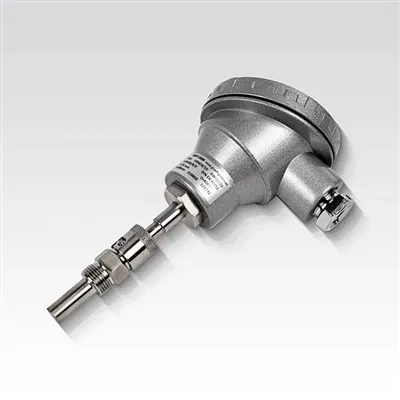
The Melt Temperature Sensor for Extrusion is specifically designed for extrusion processes. It's built to withstand the high pressures and temperatures typically found in extrusion. These sensors are often very accurate and have a fast response time, making them ideal for small - scale extrusion applications.
The Extruder Melt Temperature Transmitter is also tailored for extruders. It usually comes with features that make it easy to integrate into an extrusion system, such as a standard mounting style and compatible signal outputs.
The Integrated Melt Temperature Transmitter combines the sensor and the transmitter into one unit. This can simplify installation and reduce the number of components in your system. It's a great option for small - scale applications where space is limited.
Making Your Decision
Once you've considered all these factors, it's time to make your decision. Start by making a list of your requirements based on your application. Then, research different transmitters and compare their features, prices, and customer reviews.


If you're still not sure which transmitter is right for you, don't hesitate to reach out to us. As a supplier, we have the expertise to help you select the best melt temperature transmitter for your small - scale application. We can answer your questions, provide detailed product information, and even offer on - site support if needed.
Conclusion
Selecting a melt temperature transmitter for a small - scale application is a crucial decision that can have a big impact on the success of your project. By considering factors like temperature range, accuracy, response time, compatibility, environmental conditions, and cost, you can make an informed choice. And if you need any assistance along the way, we're here to help. Whether you're a small - scale manufacturer, a researcher, or a hobbyist, finding the right transmitter is essential for achieving the best results. So, if you're ready to take your small - scale application to the next level, contact us today to start the procurement process and let's discuss how we can meet your specific needs.
References
- "Temperature Measurement in Industrial Processes" by John Doe
- "Extrusion Technology Handbook" by Jane Smith