
How to select a melt temperature transmitter for a high - speed process?
Leave a message

Selecting the right melt temperature transmitter for a high - speed process can be a real head - scratcher. But don't worry, as a melt temperature transmitter supplier, I'm here to walk you through the whole process.
First off, let's talk about why getting the melt temperature right in a high - speed process is such a big deal. In high - speed operations, things happen in a flash. Any tiny deviation in temperature can mess up the entire production. For example, in plastic extrusion, if the melt temperature is too high, the plastic might degrade, losing its strength and other important properties. On the other hand, if it's too low, the plastic won't flow properly, leading to uneven products.
So, how do you start the selection process? Well, the very first thing you need to figure out is the temperature range of your process. Different materials and processes have different temperature requirements. Some polymers might need a relatively low temperature around 150°C, while others could require temperatures as high as 400°C or more. You've got to make sure the melt temperature transmitter you choose can handle the specific temperature range of your high - speed process.
Accuracy is another crucial factor. In a high - speed process, you need to know the temperature as precisely as possible. A transmitter with high accuracy will give you reliable data, allowing you to make quick and correct adjustments. Even a small error in temperature measurement can lead to significant quality issues in your end products. Look for transmitters that offer at least ±0.5°C accuracy, but if your process demands it, you might want to go for even higher precision.
Response time is also super important. In a high - speed process, conditions can change in an instant. You need a melt temperature transmitter that can keep up with these rapid changes. A fast - responding transmitter will give you real - time temperature data, enabling you to react quickly to any temperature fluctuations. A slow - responding transmitter might give you outdated information, and by the time you make an adjustment, it could be too late.
Now, let's talk about the type of melt temperature transmitter. There are different types available, each with its own pros and cons.
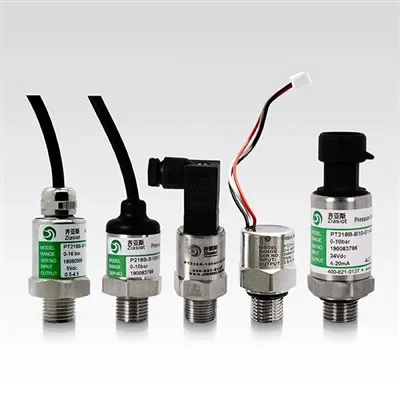
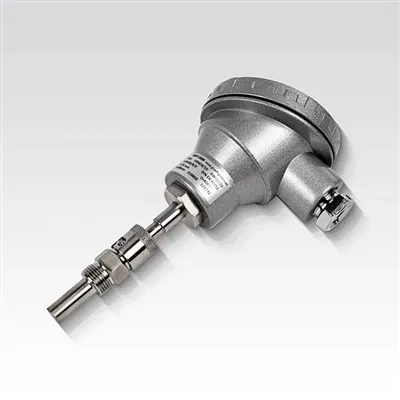
The Melt Temperature Sensor for Extrusion is a great option for extrusion processes. It's designed specifically to work well in the harsh environment of extrusion, where there's high pressure and fast - flowing molten material. These sensors are usually made of high - quality materials that can withstand the wear and tear of the extrusion process.
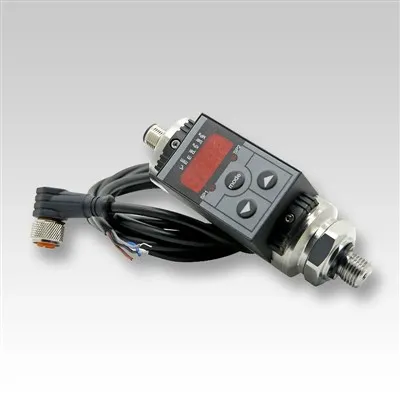
The Extruder Melt Temperature Transmitter is another popular choice. It's optimized for extruders, providing accurate temperature measurements even in high - speed extrusion operations. These transmitters often come with features like easy installation and compatibility with different types of extruders.
The Integrated Melt Temperature Transmitter combines the sensor and the transmitter into one unit. This makes it more compact and easier to install. It also reduces the chances of signal interference, which can be a problem in high - speed processes where there's a lot of electrical noise.
The construction and durability of the transmitter are also essential. In a high - speed process, the transmitter is exposed to high pressure, high temperature, and sometimes corrosive materials. You need a transmitter that's built to last. Look for transmitters made of high - quality stainless steel or other corrosion - resistant materials. They should also be able to handle the mechanical stress of the high - speed process without breaking down.
Compatibility with your existing system is another thing to consider. You want a melt temperature transmitter that can easily integrate with your current control system. This will make it easier to monitor and control the temperature, and it will also save you time and money on installation and setup. Check if the transmitter has the right output signals (such as 4 - 20mA or digital signals) that are compatible with your control system.
Cost is always a factor, but you shouldn't just go for the cheapest option. A high - quality melt temperature transmitter might cost more upfront, but it can save you a lot of money in the long run. A reliable transmitter will reduce the chances of production downtime, product defects, and costly repairs. You need to find a balance between cost and quality.


Finally, it's a good idea to look for a supplier that offers good customer support. If you run into any problems with the transmitter, you want to be able to get help quickly. A supplier with a knowledgeable support team can assist you with installation, troubleshooting, and maintenance.
In conclusion, selecting a melt temperature transmitter for a high - speed process requires careful consideration of several factors, including temperature range, accuracy, response time, type of transmitter, construction, compatibility, cost, and customer support. As a melt temperature transmitter supplier, we're committed to helping you find the right transmitter for your specific needs. If you're interested in learning more or discussing your requirements, feel free to reach out to us for a procurement negotiation. We're here to make sure you get the best solution for your high - speed process.
References
- "Industrial Temperature Measurement Handbook"
- "Plastics Extrusion Technology"