How to optimize the performance of melt pressure gauges?
Leave a message

Hey there! As a supplier of Melt Pressure Gauges, I've been in the thick of it when it comes to these nifty devices. Melt pressure gauges are crucial in various industries, especially those dealing with high - temperature molten materials. They help in ensuring the safety, efficiency, and quality of production processes. But like any other piece of equipment, they need to perform at their best. So, let's dive into how you can optimize the performance of melt pressure gauges.
Understanding Your Gauge
First off, you gotta understand what kind of melt pressure gauge you're working with. We offer a range of gauges, like High Temperature Mechanical Melt Presssure Gauges and Digital Melt Presssure Gauges. Each type has its own set of features, pros, and cons.
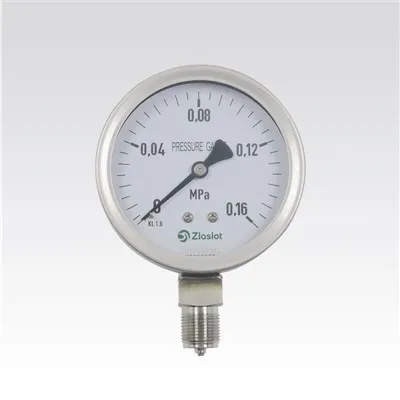
Mechanical gauges are pretty straightforward. They use a mechanical mechanism, usually a Bourdon tube, to measure pressure. They're reliable and don't require a power source. But they might not be as accurate as digital ones, especially in very precise applications.
On the other hand, digital gauges offer high accuracy and can display the pressure readings in a clear and easy - to - read format. They can also be connected to other systems for data logging and analysis. However, they do need a power supply, and if there are any electrical glitches, it could affect their performance.
Installation Matters
The way you install your melt pressure gauge can have a huge impact on its performance. Make sure the gauge is installed in the right location. It should be placed where it can accurately measure the pressure of the melt. For example, if you're using it in an extrusion process, it should be close to the die where the pressure is most relevant.
Also, ensure that the installation is leak - free. Any leaks can lead to inaccurate pressure readings. Use proper sealing materials and follow the installation instructions carefully. If you're not sure, our team can provide you with detailed installation guides.
Regular Calibration
Calibration is key to keeping your melt pressure gauge accurate. Over time, the gauge might start to give inaccurate readings due to wear and tear, temperature changes, or other factors. You should calibrate your gauge at regular intervals.
The frequency of calibration depends on how often you use the gauge and the environment it's in. If it's used in a high - stress environment with frequent temperature fluctuations, you might need to calibrate it more often. We can offer calibration services to make sure your gauge is always on point.
Temperature Considerations
Melt pressure gauges are often used in high - temperature environments. High temperatures can affect the performance of the gauge in several ways. For mechanical gauges, the expansion of the materials due to heat can cause the Bourdon tube to deform, leading to inaccurate readings.


For digital gauges, high temperatures can damage the electronic components. That's why it's important to use gauges that are designed for high - temperature applications, like our High Temperature Mechanical Melt Presssure Gauges. You can also use cooling systems to keep the gauge at a reasonable temperature.
Protecting from Contaminants
The melt that you're measuring can sometimes contain contaminants like dust, particles, or chemicals. These contaminants can clog the inlet of the gauge or damage its internal components, affecting its performance.
To protect your gauge, you can use filters or isolators. Filters can remove the larger particles from the melt before it reaches the gauge. Isolators create a barrier between the melt and the gauge, preventing any direct contact. This is especially important for Digital Melt Presssure Gauges, as their electronic components are more sensitive to contaminants.
Maintenance and Inspection
Regular maintenance and inspection are essential for optimizing the performance of your melt pressure gauge. You should check the gauge for any signs of damage, such as cracks, leaks, or loose connections. If you notice any issues, address them immediately.
Clean the gauge regularly to remove any build - up of contaminants. For mechanical gauges, make sure the moving parts are lubricated properly. For digital gauges, check the battery (if applicable) and ensure that the connections are secure.
Staff Training
Your staff who operate and maintain the melt pressure gauges should be well - trained. They need to know how to install, calibrate, and maintain the gauges properly. A little training can go a long way in ensuring that the gauges perform at their best.
We can provide training sessions for your staff to help them understand the technical aspects of our gauges and how to optimize their performance. This will not only improve the accuracy of the pressure readings but also extend the lifespan of the gauges.
Compatibility
Make sure the melt pressure gauge you choose is compatible with the system it will be used in. Consider factors like the pressure range, temperature range, and the type of melt. Using an incompatible gauge can lead to inaccurate readings and even damage the gauge.
If you're not sure which gauge is right for your application, our experts can help you make the right choice. We have a wide range of gauges, including Vacuum Digital Pressure Gauge, to meet different needs.
Monitoring and Data Analysis
In today's digital age, monitoring and data analysis are becoming increasingly important. You can use the data from your digital melt pressure gauges to identify trends, detect anomalies, and make informed decisions.
By analyzing the pressure data over time, you can predict when the gauge might need maintenance or calibration. You can also use this data to optimize your production process. For example, if you notice that the pressure is fluctuating too much, you can adjust the process parameters to improve the quality of the final product.
Conclusion
Optimizing the performance of melt pressure gauges requires a combination of proper installation, regular calibration, temperature control, protection from contaminants, maintenance, staff training, compatibility checks, and data analysis. By following these tips, you can ensure that your melt pressure gauges provide accurate and reliable readings, which is essential for the success of your production processes.
If you're looking to upgrade your current melt pressure gauges or need help with optimizing their performance, we're here to assist. Our team of experts can provide you with the best solutions tailored to your specific needs. Don't hesitate to get in touch with us for a procurement discussion. We're eager to help you make the most of your melt pressure gauges.
References
- Industry standards and best practices for melt pressure gauge usage.
- Manufacturer's manuals and guidelines for our melt pressure gauges.