
How to check the accuracy of a melt pressure gauge?
Leave a message

Hey there! As a supplier of Melt Pressure Gauges, I can't stress enough the importance of accurate pressure measurement in industrial processes. Whether you're dealing with high - temperature melts in plastics extrusion or other manufacturing applications, having a reliable and accurate melt pressure gauge is crucial. In this blog, I'm gonna walk you through how to check the accuracy of a melt pressure gauge.
Why Accuracy Matters
Before diving into the checking process, let's quickly touch on why gauge accuracy is so important. In many industrial setups, getting the pressure right can mean the difference between a high - quality product and a defective one. If the pressure is too low, it might lead to incomplete filling of molds or inconsistent product dimensions. On the other hand, excessive pressure can cause equipment damage and safety hazards. So, ensuring the accuracy of your melt pressure gauge is key to maintaining operational efficiency and product quality.


Types of Melt Pressure Gauges
There are different types of melt pressure gauges out there, and each might require a slightly different approach for accuracy checks.
- High Temperature Mechanical Melt Pressure Gauges: These are designed to withstand high temperatures and are often used in applications where molten materials need to be measured. You can find more about them High Temperature Mechanical Melt Presssure Gauges.
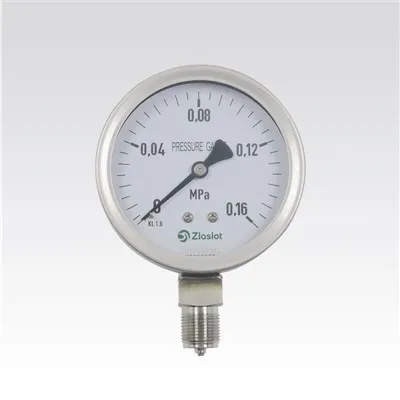
- Mechanical Pressure Gauges: They are simple in design and rely on mechanical components to measure pressure. Check out Mechanical Presssure Gauge for more details.
- Digital Melt Pressure Gauges: These offer more precise readings and can often be connected to data - logging systems. Learn more at Digital Melt Presssure Gauges.
Pre - Check Preparations
Before you start checking the accuracy of your gauge, there are a few things you need to do:
- Inspect the Gauge Physically: Look for any visible damage like cracks on the glass, bent needles, or loose connections. A damaged gauge is likely to give inaccurate readings. Make sure all the mounting hardware is tight and the gauge is properly installed in the system.
- Understand the Operating Conditions: Know the normal pressure range in which the gauge operates. This will help you determine if the readings are within the expected range. Also, be aware of the temperature and chemical environment as these factors can affect the gauge's performance.
- Gather the Necessary Tools: You'll need a reference gauge (preferably a calibrated one), a pressure source that can be adjusted accurately, and any tools required for connecting the gauges.
Step - by - Step Accuracy Check
Now, let's go through the actual process of checking the accuracy of a melt pressure gauge.
- Isolate the Gauge: If possible, isolate the gauge from the main system. This will prevent any interference from other components in the system and allow you to apply a known pressure accurately.
- Connect the Reference Gauge: Connect the reference gauge in parallel with the gauge you want to check. Make sure all the connections are tight to prevent any pressure leaks.
- Apply Pressure: Start applying pressure using the pressure source. Begin with a low pressure and gradually increase it in small increments. As you increase the pressure, record the readings from both the gauge under test and the reference gauge at each increment.
- Check for Linearity: Compare the readings of the two gauges. A good gauge should show a linear relationship between the applied pressure and the reading. If there are significant deviations, it could indicate a problem with the gauge.
- Test the Full Range: Make sure to test the gauge across its full operating range. This will give you a comprehensive understanding of its accuracy at all pressures.
- Check Hysteresis: After reaching the maximum pressure, gradually decrease the pressure back to zero. Compare the readings on the way down with those on the way up. Hysteresis is the difference in readings at the same pressure during the increasing and decreasing pressure cycles. A large hysteresis can be a sign of a worn - out or damaged gauge.
Common Causes of Inaccuracy
There are several factors that can cause a melt pressure gauge to give inaccurate readings:
- Wear and Tear: Over time, the mechanical components of a gauge can wear out, leading to inaccurate readings. This is especially true for mechanical gauges.
- Contamination: If the gauge is exposed to dirty or corrosive materials, it can damage the internal components and affect its accuracy.
- Temperature Effects: High temperatures can cause the materials in the gauge to expand or contract, which can lead to inaccurate readings. Make sure the gauge is rated for the temperature in your application.
- Over - Pressurization: Subjecting the gauge to pressures higher than its rated capacity can damage the internal components and cause permanent inaccuracies.
What to Do If the Gauge Is Inaccurate
If you find that your gauge is inaccurate, here are some steps you can take:
- Calibration: If the deviation is small, the gauge might just need to be calibrated. You can either send it to a professional calibration service or use a calibration kit if you have the necessary skills.
- Repair or Replacement: If the gauge is severely damaged, it might need to be repaired or replaced. In some cases, it might be more cost - effective to replace the gauge rather than trying to repair it.
Conclusion
Checking the accuracy of a melt pressure gauge is an essential part of maintaining a reliable and efficient industrial process. By following the steps outlined in this blog, you can ensure that your gauge is providing accurate readings. Remember, a well - maintained and accurate gauge can save you a lot of time and money in the long run by preventing product defects and equipment damage.
If you're in the market for a new melt pressure gauge or need more information on how to maintain the accuracy of your existing gauges, don't hesitate to reach out. We're here to help you make the right choice and keep your operations running smoothly.
References
- "Industrial Pressure Gauge Handbook"
- Manufacturer's manuals for melt pressure gauges