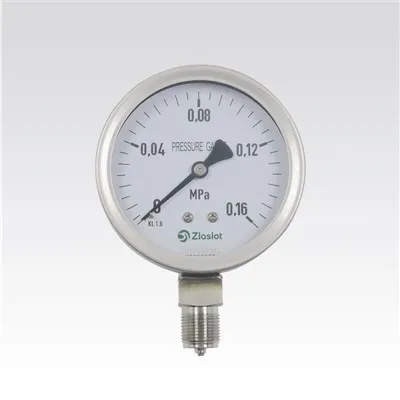
How to ensure the long - term stability of a Homogenizer Pressure Gauge?
Leave a message

Hey there! As a supplier of Homogenizer Pressure Gauges, I've seen firsthand how crucial it is to ensure the long - term stability of these essential devices. In this blog, I'll share some tips and tricks that can help you keep your Homogenizer Pressure Gauge in top - notch condition for years to come.
Understanding the Basics
First things first, let's talk about what a Homogenizer Pressure Gauge actually does. It's a device that measures the pressure within a homogenizer, which is a machine used to mix, emulsify, or break down substances. The accuracy of this measurement is super important because it directly affects the quality of the end product. Whether you're in the food and beverage industry, pharmaceuticals, or any other field that uses homogenizers, a stable pressure gauge is key.
Regular Maintenance
One of the most important steps in ensuring long - term stability is regular maintenance. Just like you take your car in for an oil change, your Homogenizer Pressure Gauge needs some TLC too.
- Cleaning: Dirt, debris, and residue can build up on the gauge over time, which can affect its accuracy. Make sure to clean the gauge regularly using a soft, dry cloth. If there's stubborn dirt, you can use a mild cleaning solution, but be careful not to get any liquid inside the gauge.
- Calibration: Calibration is like giving your gauge a check - up. It ensures that the gauge is reading the pressure accurately. You should calibrate your Homogenizer Pressure Gauge at least once a year, or more frequently if it's used in a high - precision application. You can either do it in - house if you have the right equipment and expertise, or you can send it to a professional calibration service.
Proper Installation
The way you install your Homogenizer Pressure Gauge can have a big impact on its long - term stability.
- Location: Choose a location for the gauge that is away from excessive vibration, heat, and moisture. Vibration can cause the internal components of the gauge to loosen or wear out, while heat and moisture can damage the gauge's electronics or cause corrosion.
- Mounting: Make sure the gauge is mounted securely. A loose or wobbly gauge can give inaccurate readings and is more likely to get damaged. Follow the manufacturer's instructions for mounting the gauge properly.
Protecting from External Factors
Your Homogenizer Pressure Gauge is exposed to all sorts of external factors that can affect its stability.
- Temperature: Extreme temperatures can cause the gauge's materials to expand or contract, which can lead to inaccurate readings. If your homogenizer operates in a high - temperature environment, consider using a High Temperature Mechanical Melt Presssure Gauges. These gauges are designed to withstand high temperatures and maintain their accuracy.
- Pressure Surges: Sudden spikes in pressure can damage the gauge. Install a pressure relief valve or a shock absorber to protect the gauge from pressure surges. This will help to ensure that the gauge is not subjected to excessive pressure that could cause it to fail.
Choosing the Right Gauge
Not all Homogenizer Pressure Gauges are created equal. When you're selecting a gauge, make sure to choose one that is suitable for your specific application.
- Type of Gauge: There are different types of pressure gauges available, such as Vacuum Digital Pressure Gauge and Mechanical Presssure Gauge. Digital gauges are more accurate and offer additional features like data logging, while mechanical gauges are more rugged and reliable in some applications. Consider your needs and budget when choosing the type of gauge.
- Range: Make sure the gauge has a pressure range that is appropriate for your homogenizer. If the range is too low, the gauge may get damaged by high pressure. If the range is too high, the readings may not be accurate enough.
Monitoring and Troubleshooting
Regular monitoring of your Homogenizer Pressure Gauge can help you catch any problems early on.
- Visual Inspection: Check the gauge regularly for any signs of damage, such as cracks, leaks, or loose connections. If you notice any issues, address them immediately.
- Performance Monitoring: Keep track of the gauge's readings over time. If you notice any sudden changes or inconsistencies in the readings, it could be a sign of a problem. Investigate the issue and take corrective action as needed.
Training Your Staff
Your staff plays a crucial role in ensuring the long - term stability of your Homogenizer Pressure Gauge. Make sure they are properly trained on how to use, maintain, and troubleshoot the gauge.


- Operation: Train your staff on how to operate the homogenizer and the pressure gauge correctly. This includes how to read the gauge, how to start and stop the homogenizer, and how to adjust the pressure if necessary.
- Maintenance: Teach your staff about the importance of regular maintenance and how to perform basic maintenance tasks, such as cleaning and calibration.
Conclusion
Ensuring the long - term stability of a Homogenizer Pressure Gauge is not rocket science, but it does require some effort and attention to detail. By following these tips, you can keep your gauge in good working condition and ensure accurate pressure measurements for years to come.
If you're in the market for a new Homogenizer Pressure Gauge or need help with maintenance and calibration, don't hesitate to reach out. We're here to help you find the right solution for your needs and ensure that your homogenizer operates at its best.
References
- "Pressure Gauge Handbook" by Pressure Gauge Manufacturers Association
- "Industrial Instrumentation and Control" by B.C. Nakra and K.K. Chaudhry