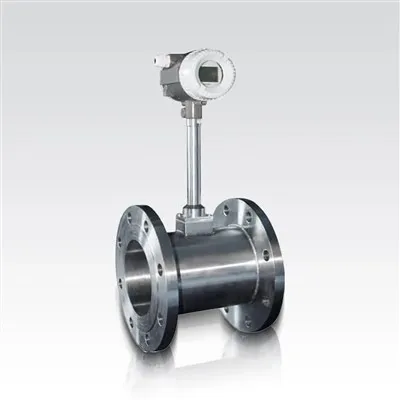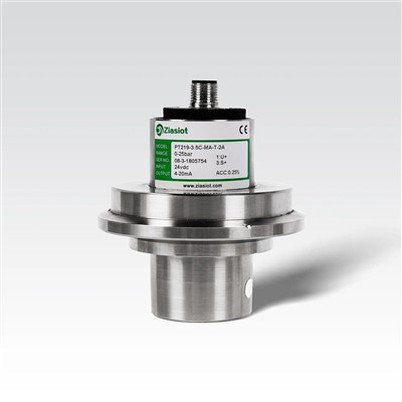

How to choose a melt pressure gauge with a long - term stable performance?
Leave a message

Hey there! As a supplier of Melt Pressure Gauges, I get a ton of questions from folks on how to pick a gauge that brings long-term stable performance. It's super important because a lousy gauge can mess up your whole operation, leading to production glitches and extra costs. So, let's dig into the key factors you should think about when making this crucial choice.
1. Accuracy and Precision
First off, accuracy and precision are like the bread and butter of a good melt pressure gauge. Accuracy tells you how close the gauge's reading is to the actual pressure, while precision shows how consistent those readings are. You want a gauge with high accuracy and precision, especially if your process demands tight pressure control.
For example, in plastic extrusion, even a tiny pressure fluctuation can cause defects in the final product. So, look for gauges with an accuracy rating of at least ±0.5% of the full scale. Some high - end gauges can even hit ±0.1%, but they usually come with a heftier price tag.
2. Temperature Resistance
Melt pressure gauges often work in high - temperature environments. Plastics processing, for instance, involves temperatures that can go way above 200°C. That's why temperature resistance is a must - consider.
Our High Temperature Mechanical Melt Presssure Gauges are designed to handle these extreme conditions. They use special materials and construction techniques to ensure that the gauge's performance doesn't degrade due to heat. Make sure to check the gauge's maximum operating temperature and see if it aligns with your process requirements.
3. Pressure Range
You need to select a gauge with an appropriate pressure range. If the pressure in your process goes beyond the gauge's maximum range, it can damage the gauge and give inaccurate readings. On the other hand, if the range is too large for your actual pressure, you'll lose precision.
Let's say your process typically operates at pressures between 500 and 1500 psi. In this case, a gauge with a range of 0 - 2000 psi would be a good fit. It gives you some headroom in case of pressure spikes while still allowing for accurate measurements within your normal operating range.
4. Response Time
Response time is how quickly the gauge can detect and display a change in pressure. In fast - paced processes, like injection molding, a slow - responding gauge won't be able to keep up with rapid pressure changes.
A digital gauge usually has a faster response time compared to a mechanical one. Our Digital Melt Presssure Gauges are engineered to provide real - time pressure data, which is crucial for processes that require immediate pressure adjustments.
5. Durability and Build Quality
A long - term stable performance gauge has to be tough as nails. It should be able to withstand vibrations, shock, and corrosive substances. Look for gauges with a robust housing made of materials like stainless steel, which is resistant to rust and corrosion.
The internal components also matter. High - quality sensors and electronics ensure that the gauge can keep working reliably over time. Our Mechanical Presssure Gauge is built with durability in mind, using top - notch materials and precise manufacturing processes.
6. Compatibility
Your melt pressure gauge needs to be compatible with your existing system. This includes things like the connection type (thread size, fitting style), electrical output (if it's a digital gauge), and communication protocols.
Before you buy, check the specifications of your system and make sure the gauge you're eyeing will work seamlessly with it. Otherwise, you might end up with a gauge that doesn't fit or can't communicate with your control system.
7. Calibration and Maintenance
Regular calibration is essential to keep your gauge accurate. Some gauges are easier to calibrate than others. Digital gauges often have built - in calibration features that make the process a breeze.
Maintenance is also a factor. A gauge that's easy to clean and service will have a longer lifespan. Look for gauges with accessible components and clear maintenance instructions.
8. Cost - Benefit Analysis
Of course, cost is always a consideration. But don't just go for the cheapest option. A low - cost gauge might save you money upfront, but it could end up costing you more in the long run if it breaks down frequently or gives inaccurate readings.
Do a cost - benefit analysis. Compare the prices of different gauges based on their features, performance, and expected lifespan. Sometimes, spending a bit more on a high - quality gauge is a smart investment.


9. Manufacturer Reputation
The reputation of the manufacturer matters a lot. A well - established manufacturer with a good track record is more likely to produce reliable gauges. Look for reviews and testimonials from other customers.
At our company, we've been in the melt pressure gauge business for years. Our customers trust us because we stand behind our products and provide excellent after - sales support.
10. Technical Support
Even the best gauges can run into problems. That's why having access to good technical support is crucial. A manufacturer that offers prompt and knowledgeable support can help you troubleshoot issues and keep your gauge running smoothly.
If you have any questions about choosing the right melt pressure gauge or need help with installation and calibration, don't hesitate to reach out. We're here to assist you every step of the way.
In conclusion, choosing a melt pressure gauge with long - term stable performance requires careful consideration of multiple factors. By taking the time to evaluate these aspects, you can find a gauge that meets your specific needs and keeps your process running smoothly.
If you're interested in purchasing melt pressure gauges or have any further questions, feel free to get in touch with us. We're eager to start a conversation and help you find the perfect solution for your business.
References
- "Pressure Measurement Technology Handbook" by R. S. Figliola and D. E. Beasley
- Industry whitepapers on melt pressure gauge selection and performance.