
How to calibrate a turbine flowmeter?
Leave a message

Calibrating a turbine flowmeter is a crucial process that ensures accurate measurement of fluid flow rates. As a leading supplier of Turbine Flowmeters, I understand the importance of proper calibration in maintaining the reliability and performance of these instruments. In this blog post, I will share some insights on how to calibrate a turbine flowmeter effectively.
Understanding Turbine Flowmeters
Before diving into the calibration process, it's essential to have a basic understanding of how turbine flowmeters work. A turbine flowmeter consists of a rotor with blades that spin when fluid passes through the meter. The rotational speed of the rotor is directly proportional to the flow rate of the fluid. By measuring the frequency of the rotor's rotation, the flowmeter can calculate the volume or mass flow rate of the fluid.
Turbine flowmeters are widely used in various industries, including oil and gas, chemical, and water treatment, due to their high accuracy, wide rangeability, and low pressure drop. However, like any measuring instrument, turbine flowmeters require regular calibration to maintain their accuracy over time.
Why Calibration is Necessary
Calibration is the process of comparing the output of a measuring instrument to a known standard to determine its accuracy. Over time, factors such as wear and tear, changes in fluid properties, and environmental conditions can affect the performance of a turbine flowmeter, leading to inaccurate measurements. Calibration helps to identify and correct any deviations from the standard, ensuring that the flowmeter provides reliable and consistent results.
Regular calibration also helps to comply with industry standards and regulations, such as ISO 9001 and API standards. In addition, it can help to prevent costly downtime and production losses by ensuring that the flowmeter is operating within its specified accuracy limits.
Calibration Methods
There are several methods for calibrating a turbine flowmeter, each with its own advantages and disadvantages. The choice of calibration method depends on factors such as the type of flowmeter, the accuracy requirements, and the available calibration equipment.
Gravimetric Calibration
Gravimetric calibration is one of the most accurate methods for calibrating a turbine flowmeter. In this method, the fluid flowing through the flowmeter is collected in a calibrated container, and the mass of the fluid is measured using a weighing scale. The flow rate is then calculated based on the mass of the fluid and the time taken to collect it.


Gravimetric calibration is a time-consuming and labor-intensive process, but it provides highly accurate results. It is typically used for calibrating flowmeters with high accuracy requirements, such as those used in custody transfer applications.
Volumetric Calibration
Volumetric calibration is another common method for calibrating a turbine flowmeter. In this method, the fluid flowing through the flowmeter is collected in a calibrated container, and the volume of the fluid is measured using a volumetric measuring device, such as a graduated cylinder or a volumetric flask. The flow rate is then calculated based on the volume of the fluid and the time taken to collect it.
Volumetric calibration is less accurate than gravimetric calibration, but it is faster and easier to perform. It is typically used for calibrating flowmeters with moderate accuracy requirements, such as those used in process control applications.
Master Meter Calibration
Master meter calibration is a method of calibrating a turbine flowmeter by comparing its output to the output of a master meter, which is a highly accurate flowmeter that has been calibrated against a known standard. The master meter and the flowmeter to be calibrated are installed in series in a flow loop, and the same fluid is passed through both meters. The output of the flowmeter to be calibrated is then compared to the output of the master meter, and any deviations are corrected.
Master meter calibration is a relatively fast and easy method for calibrating a turbine flowmeter, but it requires the use of a master meter, which can be expensive. It is typically used for calibrating flowmeters with moderate to high accuracy requirements.
Calibration Procedure
The calibration procedure for a turbine flowmeter typically involves the following steps:
Step 1: Prepare the Flowmeter
Before calibrating the flowmeter, it is important to ensure that it is clean and free of any debris or contaminants. The flowmeter should also be installed correctly in the pipeline, with the correct orientation and flow direction.
Step 2: Select the Calibration Method
Based on the accuracy requirements and the available calibration equipment, select the appropriate calibration method. If you are unsure which method to use, consult with a qualified calibration technician.
Step 3: Set Up the Calibration Equipment
Set up the calibration equipment according to the manufacturer's instructions. This may include installing the flowmeter in a flow loop, connecting the calibration equipment to the flowmeter, and filling the flow loop with the test fluid.
Step 4: Perform the Calibration
Follow the calibration procedure for the selected method. This may involve collecting the fluid in a calibrated container, measuring the mass or volume of the fluid, and comparing the output of the flowmeter to the known standard. Record the calibration data, including the flow rate, the output of the flowmeter, and any deviations from the standard.
Step 5: Adjust the Flowmeter
If the output of the flowmeter deviates from the known standard, adjust the flowmeter according to the manufacturer's instructions. This may involve adjusting the calibration factor, the zero point, or the span of the flowmeter.
Step 6: Verify the Calibration
After adjusting the flowmeter, perform a verification calibration to ensure that the flowmeter is now operating within its specified accuracy limits. Record the verification data, including the flow rate, the output of the flowmeter, and any deviations from the standard.
Step 7: Document the Calibration
Document the calibration results, including the calibration data, the adjustment made to the flowmeter, and the verification data. This documentation should be kept on file for future reference and to demonstrate compliance with industry standards and regulations.
Tips for Successful Calibration
Here are some tips to help you achieve successful calibration of a turbine flowmeter:
- Use High-Quality Calibration Equipment: Using high-quality calibration equipment is essential for accurate calibration. Make sure that the calibration equipment is calibrated regularly and is traceable to a known standard.
- Follow the Manufacturer's Instructions: Always follow the manufacturer's instructions for calibrating the flowmeter. This will ensure that the calibration is performed correctly and that the flowmeter is not damaged during the calibration process.
- Use the Correct Test Fluid: The test fluid used for calibration should be the same as the fluid that will be measured by the flowmeter in normal operation. This will ensure that the calibration results are accurate and representative of the actual operating conditions.
- Perform Regular Calibration: Regular calibration is essential for maintaining the accuracy of the flowmeter. The frequency of calibration depends on factors such as the type of flowmeter, the accuracy requirements, and the operating conditions. Consult with a qualified calibration technician to determine the appropriate calibration interval for your flowmeter.
- Train Your Staff: Proper training of your staff is essential for successful calibration. Make sure that your staff is trained on the calibration procedure, the use of the calibration equipment, and the importance of accurate calibration.
Conclusion
Calibrating a turbine flowmeter is a crucial process that ensures accurate measurement of fluid flow rates. By following the calibration procedure and using the appropriate calibration method, you can ensure that your turbine flowmeter provides reliable and consistent results. As a leading supplier of Turbine Flowmeters, we offer a range of calibration services to help you maintain the accuracy and performance of your flowmeters. If you have any questions or need assistance with calibrating your turbine flowmeter, please contact us for more information.
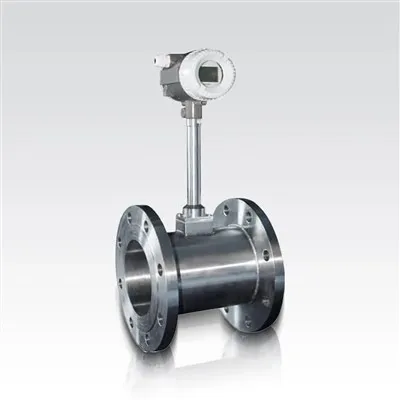
In addition to turbine flowmeters, we also supply a range of other flowmeters, including LDG Electromagnetic Flowmeter and Vortex Flowmeter. These flowmeters are suitable for a wide range of applications and offer high accuracy and reliability. If you are interested in learning more about our flowmeters, please visit our website at Turbine Flow Meter.
References
- ISO 9001:2015, Quality management systems - Requirements
- API Standards, American Petroleum Institute
- Manufacturer's instructions for the turbine flowmeter and calibration equipment