
How does the fluid cleanliness affect Turbine Flow Meter performance?
Leave a message

Hey there! As a supplier of Turbine Flow Meters, I've seen firsthand how the cleanliness of the fluid being measured can have a huge impact on the performance of these meters. In this blog post, I'm gonna break down how fluid cleanliness affects Turbine Flow Meter performance and why it's super important to keep an eye on it.
What is a Turbine Flow Meter?
Before we dive into the impact of fluid cleanliness, let's quickly go over what a Turbine Flow Meter is. A Turbine Flow Meter is a type of flow meter that measures the volumetric flow rate of a fluid. It works by having the fluid flow through a housing that contains a turbine rotor. As the fluid passes through, it causes the turbine to spin. The speed of the turbine is directly proportional to the flow rate of the fluid. Sensors then detect the rotation of the turbine and convert it into an electrical signal, which can be used to determine the flow rate. You can learn more about Turbine Flow Meters on our website Turbine Flow Meter.
How Fluid Cleanliness Affects Turbine Flow Meter Performance
1. Wear and Tear
One of the most obvious ways that fluid cleanliness affects Turbine Flow Meter performance is through wear and tear. If the fluid contains particles, such as dirt, sand, or rust, these particles can act like abrasives. As the fluid flows through the meter and causes the turbine to spin, these particles can scrape against the turbine blades and other internal components. Over time, this can cause the blades to become worn down, which can change the shape and size of the blades. A change in the blade geometry can affect the way the turbine responds to the fluid flow, leading to inaccurate flow measurements.
For example, if the blades become too worn, they may not spin as freely as they should. This can result in a lower rotational speed than expected for a given flow rate, causing the meter to under - measure the flow. On the other hand, if the wear is uneven, it can cause the turbine to wobble or vibrate, which can also lead to inconsistent and inaccurate readings.
2. Clogging
Another major issue caused by dirty fluids is clogging. Particles in the fluid can accumulate in the small gaps and passages within the Turbine Flow Meter. For instance, the spaces between the turbine blades and the housing, or the inlet and outlet ports, can become blocked. When this happens, the flow of the fluid through the meter is restricted.
A clogged meter will not allow the fluid to flow through it as smoothly as it should. This can lead to a decrease in the rotational speed of the turbine, even if the actual flow rate of the fluid remains the same. As a result, the meter will give an inaccurate reading, usually indicating a lower flow rate than is actually occurring. In severe cases, a completely clogged meter may stop functioning altogether, requiring maintenance or even replacement.
3. Corrosion
Fluid cleanliness also plays a role in corrosion. If the fluid contains corrosive substances, such as acids or salts, it can damage the internal components of the Turbine Flow Meter. Corrosion can weaken the materials of the turbine blades and other parts, making them more prone to breakage.
For example, if the turbine blades are made of a metal that is susceptible to corrosion, the corrosive fluid can eat away at the surface of the blades. This can not only change the shape of the blades but also reduce their strength. A corroded blade may break off, which can cause the turbine to malfunction. Additionally, corrosion can create rough surfaces on the internal components, which can increase friction and affect the flow of the fluid through the meter.
4. Fouling
Fouling occurs when biological or chemical substances in the fluid adhere to the internal surfaces of the Turbine Flow Meter. This can happen in applications where the fluid contains organic matter or substances that can form deposits. For example, in water treatment plants, algae or bacteria can grow on the turbine blades and other parts of the meter.
Fouling can change the surface properties of the internal components. A fouled surface can increase the drag on the turbine blades, making them harder to rotate. This can lead to inaccurate flow measurements, as the turbine will not respond correctly to the fluid flow. Moreover, fouling can also cause blockages in the same way as particle accumulation, further affecting the meter's performance.
Importance of Maintaining Fluid Cleanliness
Given the significant impact of fluid cleanliness on Turbine Flow Meter performance, it's crucial to maintain a clean fluid environment. This can be achieved through various methods, such as using filters upstream of the flow meter. Filters can remove particles and contaminants from the fluid before it enters the meter, reducing the risk of wear, clogging, corrosion, and fouling.
Regular maintenance of the Turbine Flow Meter is also essential. This includes inspecting the meter for signs of damage, cleaning the internal components, and replacing any worn or damaged parts. By taking these steps, you can ensure that the meter continues to provide accurate and reliable flow measurements over its lifespan.
Comparing with Other Flow Meters
It's worth noting that other types of flow meters, such as the LDG Electromagnetic Flowmeter and Vortex Flowmeter, may be affected differently by fluid cleanliness. For example, electromagnetic flow meters are generally less affected by particle contamination because they don't have moving parts that can be worn down or clogged. However, they can be sensitive to the electrical conductivity of the fluid, and contaminants can sometimes affect this property.
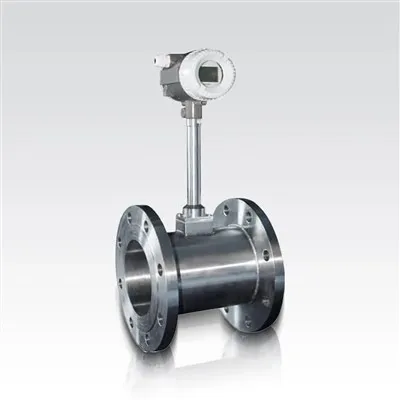
Vortex flow meters, on the other hand, rely on the formation of vortices in the fluid flow. While they are relatively robust against particle contamination, large particles or debris can disrupt the formation of vortices, leading to inaccurate readings.
Conclusion
In conclusion, fluid cleanliness has a profound impact on the performance of Turbine Flow Meters. Wear and tear, clogging, corrosion, and fouling are all potential issues that can arise when the fluid is not clean. These issues can lead to inaccurate flow measurements, reduced meter lifespan, and increased maintenance costs.
As a Turbine Flow Meter supplier, I strongly recommend taking steps to ensure the cleanliness of the fluid being measured. This includes using appropriate filtration systems and performing regular maintenance on the meters. If you're experiencing problems with your Turbine Flow Meter performance or have any questions about fluid cleanliness and its impact, don't hesitate to reach out. We're here to help you get the most accurate and reliable flow measurements possible. Whether you're in the market for a new Turbine Flow Meter or need advice on maintaining your existing one, we're just a message away. Let's start a conversation about how we can meet your flow measurement needs!


References
- Flow Measurement Handbook: Industrial Designs and Applications, by Richard W. Miller
- Principles of Flow Measurement, by Robert W. Fox and Alan T. McDonald