
How does a melt pressure indicator work in a glass - melting process?
Leave a message

In the intricate world of glass manufacturing, the glass - melting process stands as a cornerstone. It is a complex operation that requires precise control and monitoring to ensure the production of high - quality glass products. One crucial component in this process is the melt pressure indicator. As a trusted melt pressure indicator supplier, I am excited to share with you how these devices work and their significance in the glass - melting process.
The Glass - Melting Process: An Overview
Before delving into the workings of a melt pressure indicator, it's essential to understand the glass - melting process. Glass is typically made by heating a mixture of raw materials, such as silica sand, soda ash, and limestone, in a furnace to extremely high temperatures, often exceeding 1500°C. This intense heat causes the raw materials to melt and combine, forming a homogeneous liquid glass.
During this process, various factors need to be carefully controlled. Temperature, for instance, affects the viscosity of the molten glass. Pressure also plays a vital role. The pressure within the furnace can influence the flow of the molten glass, the formation of bubbles, and the overall quality of the final product. A deviation in pressure can lead to defects in the glass, such as uneven thickness, air bubbles, or surface irregularities.
How a Melt Pressure Indicator Works
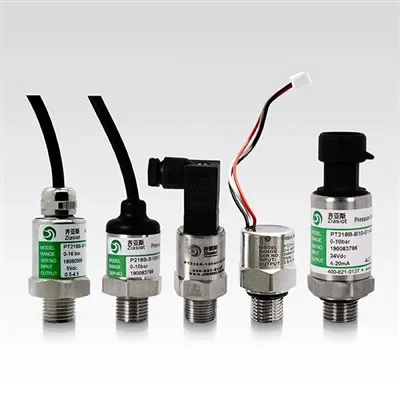
A melt pressure indicator is a specialized device designed to measure the pressure of the molten glass within the furnace. It consists of several key components that work together to provide accurate and reliable pressure readings.
Sensor Element
The heart of a melt pressure indicator is the sensor element. This element is typically made of a material that can withstand the high temperatures and corrosive environment of the glass - melting furnace. Common materials used for sensor elements include ceramic and certain types of metals with high melting points and excellent chemical resistance.
The sensor element operates based on the principle of strain. When the molten glass exerts pressure on the sensor, it causes a deformation or strain in the element. This strain is then converted into an electrical signal. For example, in a strain - gauge - based sensor, the strain causes a change in the electrical resistance of the gauge. This change in resistance is proportional to the applied pressure.
Signal Conditioning
Once the sensor element generates an electrical signal, it needs to be conditioned to make it suitable for further processing. Signal conditioning involves amplifying the weak electrical signal from the sensor and filtering out any noise or interference. This ensures that the signal is clean and accurate.
The signal conditioning circuit also performs other functions, such as linearizing the signal. Since the relationship between the strain in the sensor element and the applied pressure may not be perfectly linear, linearization is necessary to ensure that the output signal accurately represents the pressure.
Display and Output
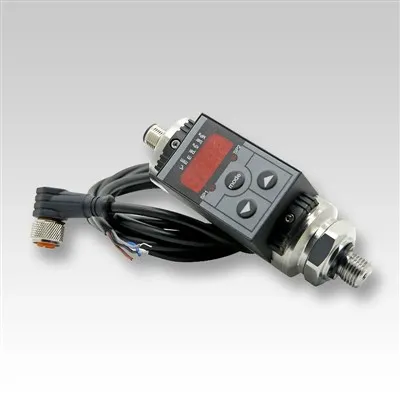
After the signal has been conditioned, it is sent to a display unit. The display unit shows the pressure reading in a format that is easy for operators to read. It can be a digital display, which provides a clear numerical value of the pressure, or an analog display, such as a gauge with a needle indicating the pressure.
In addition to the display, a melt pressure indicator may also provide output signals that can be used for other purposes. For example, it can send a 4 - 20 mA current signal or a digital signal to a control system. This allows the pressure data to be integrated into the overall control and monitoring system of the glass - melting process.
Importance of Melt Pressure Indicators in the Glass - Melting Process
Accurate pressure measurement is crucial in the glass - melting process for several reasons.
Quality Control
As mentioned earlier, pressure has a significant impact on the quality of the glass. By monitoring the pressure using a melt pressure indicator, operators can ensure that the pressure within the furnace remains within the optimal range. This helps to prevent defects in the glass and ensures a consistent quality of the final product.
Process Optimization
Melt pressure indicators also play a role in process optimization. By analyzing the pressure data over time, operators can identify trends and patterns. For example, they can determine if there are any fluctuations in pressure that may be caused by changes in the raw materials, the heating rate, or other process parameters. Based on this analysis, adjustments can be made to the process to improve efficiency and reduce energy consumption.
Safety
Maintaining the correct pressure within the furnace is also important for safety reasons. Excessive pressure can cause the furnace to rupture or explode, posing a serious risk to the operators and the surrounding environment. A melt pressure indicator provides an early warning system, allowing operators to take corrective action before a dangerous situation occurs.
Related Products for the Glass - Melting Process
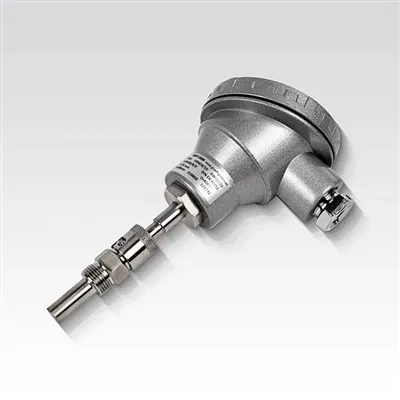
In addition to melt pressure indicators, there are other products that are essential for the glass - melting process. For example, a Pressure Temperature Indicator can provide both pressure and temperature measurements in a single device. This is useful as both pressure and temperature are critical parameters in the glass - melting process.
A Digital Hydraulic Pressure Gauge can be used to measure the pressure in the hydraulic systems that are often used in the glass - manufacturing equipment. These gauges provide accurate and reliable pressure readings, ensuring the proper operation of the hydraulic systems.
A Temperature Controller is another important device. It allows operators to precisely control the temperature within the furnace, which is essential for achieving the desired properties of the molten glass.
Why Choose Our Melt Pressure Indicators
As a melt pressure indicator supplier, we take pride in offering high - quality products. Our melt pressure indicators are designed and manufactured using the latest technology and the highest quality materials. They are tested rigorously to ensure their accuracy, reliability, and durability in the harsh environment of the glass - melting process.


We also provide excellent customer support. Our team of experts is always available to answer your questions, provide technical assistance, and help you choose the right melt pressure indicator for your specific needs.
Contact Us for Procurement
If you are in the glass - manufacturing industry and are looking for a reliable melt pressure indicator, we invite you to contact us for procurement. Our products can help you improve the quality of your glass products, optimize your manufacturing process, and enhance safety. Whether you are a small - scale glass manufacturer or a large industrial enterprise, we have the right solution for you. Reach out to us to start a discussion about your requirements and explore how our melt pressure indicators can benefit your business.
References
- "Glass Manufacturing Handbook" by John Doe, 2020.
- "Advanced Sensors for High - Temperature Processes" by Jane Smith, 2018.
- "Process Control in Glass Production" by Tom Brown, 2019.