
How do Settlement Sensors measure settlement?
Leave a message

Hey there! As a settlement sensor supplier, I'm super excited to dive into the topic of how settlement sensors measure settlement. It's a pretty cool and important process, especially in construction, infrastructure, and geotechnical engineering.
First off, let's talk about what settlement is. Settlement is basically the downward movement of the ground or a structure. It can happen due to a variety of reasons, like the weight of a building being placed on the ground, natural soil consolidation over time, or changes in groundwater levels. Measuring settlement is crucial because if it's not monitored, it can lead to serious problems such as cracks in buildings, uneven floors, and even structural failures.
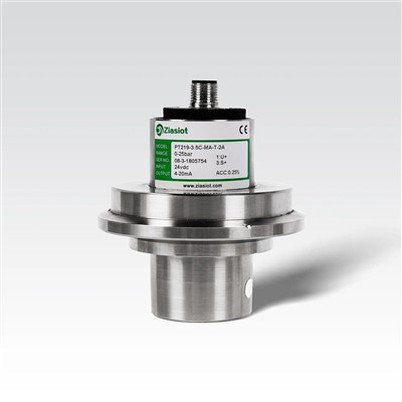
There are different types of settlement sensors out there, but today I want to focus on one of the popular ones: the Displacement Static Level Meter Settlement Sensor. You can check out more details about it here. This type of sensor works on a really interesting principle.
The basic idea behind the Displacement Static Level Meter Settlement Sensor is based on the measurement of fluid levels in connected vessels. When there's settlement, the relative height between different points changes, and this change is reflected in the fluid levels within the sensor system.
Let's break it down step - by - step. The sensor system consists of a series of interconnected containers filled with a liquid, usually a special kind of oil or a water - based solution. Each container is placed at a specific monitoring point. These points could be along the foundation of a building, on a bridge pier, or at different locations in a large construction site.
The liquid in these containers is in a state of equilibrium when there is no settlement. But as soon as settlement occurs at one of the monitoring points, the height of that point relative to the others changes. This causes a change in the pressure exerted on the liquid in the container at that point. Since the containers are connected, the liquid will flow to equalize the pressure.
The sensor then measures this change in the liquid level. It uses a highly accurate level - measuring device, such as a pressure transducer or a float - based sensor. The pressure transducer works by converting the pressure exerted by the liquid into an electrical signal. The magnitude of this electrical signal is directly proportional to the change in the liquid level, which in turn is related to the amount of settlement.
For example, if there's a settlement of 10 millimeters at a particular monitoring point, the liquid in the container at that point will rise or fall depending on whether the settlement is downward or upward. The pressure transducer will detect this change in the pressure of the liquid and send an electrical signal to a data logger or a monitoring system.
The data logger is an essential part of the system. It records the electrical signals from the sensor at regular intervals, usually every few minutes or hours, depending on the requirements of the project. This data is then transmitted to a central monitoring station, where engineers and technicians can analyze it.
They can use software to plot the settlement data over time. This gives them a clear picture of how the settlement is progressing. If the settlement rate is too high or if there are sudden changes in the settlement pattern, it could indicate a potential problem. For instance, a rapid increase in settlement near a building's corner might suggest that there's an issue with the foundation at that location.
Another important aspect of using settlement sensors is calibration. Calibration ensures that the sensor is providing accurate measurements. Before installing the sensor, it needs to be calibrated against a known reference. This is usually done in a laboratory environment using a calibrated test rig. The calibration process involves applying known pressure changes to the sensor and adjusting the output of the sensor to match the expected values.
Once the sensor is installed in the field, regular calibration checks are also necessary. This helps to account for any changes in the sensor's performance due to environmental factors such as temperature and humidity. For example, changes in temperature can cause the liquid in the sensor to expand or contract, which could affect the accuracy of the measurements. By performing regular calibration checks, we can ensure that the settlement data we're getting is as accurate as possible.
In some cases, multiple settlement sensors are used in a network. This is especially useful for large - scale projects like airports or industrial complexes. By having a network of sensors, we can get a more comprehensive view of the settlement across the entire site. The data from all the sensors can be combined and analyzed to identify patterns and trends.
For example, in an airport construction project, settlement sensors can be placed at different locations on the runway, taxiways, and terminal buildings. By analyzing the data from all these sensors, engineers can determine if there are any areas where settlement is occurring more rapidly. This information can then be used to take corrective actions, such as adjusting the construction process or adding additional support to the foundation.
Now, let's talk about the benefits of using settlement sensors in general. Firstly, they provide real - time data. This means that engineers can quickly respond to any changes in settlement. Instead of waiting for visible signs of damage, such as cracks in the walls, they can detect settlement issues early on and take preventive measures.


Secondly, settlement sensors are non - destructive. They can be installed without causing any significant damage to the structure or the ground. This is a big advantage compared to traditional methods of measuring settlement, which might involve digging holes or taking samples.
Finally, settlement sensors can provide long - term data. They can continuously monitor settlement over months or even years. This is important for evaluating the long - term stability of a structure. For example, in a high - rise building project, the settlement sensors can be left in place for the entire lifespan of the building to ensure that it remains safe and stable.
If you're involved in a construction, infrastructure, or geotechnical project and you're looking for reliable settlement sensors, we're here to help. Our Displacement Static Level Meter Settlement Sensor is a top - of - the - line product that offers high accuracy and long - term reliability. To start a conversation about how our sensors can meet your project's needs, don't hesitate to reach out. We're ready to discuss the details and provide you with the best solutions.
References:
- Geotechnical Engineering textbooks on foundation settlement monitoring.
- Industry research papers on settlement sensor technology and applications.