How do I store a digital pressure gauge when not in use?
Leave a message

As a supplier of Digital Pressure Gauges, I often get asked about the proper way to store these precision instruments when they're not in use. Proper storage is crucial to maintain the accuracy and longevity of digital pressure gauges, ensuring they're ready for reliable performance when you need them again. In this blog post, I'll share some valuable insights on how to store your digital pressure gauges effectively.
Understanding the Importance of Proper Storage
Digital pressure gauges are sophisticated devices that rely on delicate electronic components and sensors to measure pressure accurately. Exposure to harsh environmental conditions, improper handling, or incorrect storage can lead to damage, calibration drift, or even complete failure of the gauge. By following the right storage practices, you can protect your investment and extend the lifespan of your digital pressure gauges.
Clean the Gauge Before Storage
Before storing your digital pressure gauge, it's essential to clean it thoroughly to remove any dirt, debris, or contaminants that may have accumulated during use. Use a soft, dry cloth to wipe the exterior of the gauge, including the display, buttons, and housing. If there are stubborn stains or residues, you can use a mild cleaning solution and a lint-free cloth to gently clean the affected areas. Avoid using abrasive materials or harsh chemicals, as they can damage the gauge's surface or components.
Protect the Display
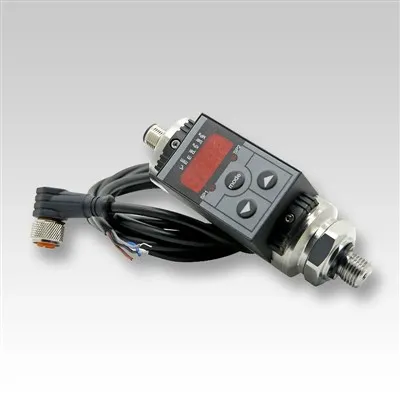
The display is one of the most critical components of a digital pressure gauge, and it's essential to protect it from scratches, cracks, or other damage during storage. Consider using a protective cover or case specifically designed for your gauge to shield the display from dust, moisture, and physical impact. If you don't have a dedicated cover, you can use a soft cloth or a plastic bag to cover the display and prevent it from coming into contact with any sharp or hard objects.
Store in a Cool, Dry Place
Humidity and extreme temperatures can have a significant impact on the performance and lifespan of digital pressure gauges. To prevent damage from moisture and temperature fluctuations, store your gauge in a cool, dry place away from direct sunlight, heat sources, and areas prone to high humidity. A temperature range of 10°C to 30°C (50°F to 86°F) and a relative humidity of less than 70% are ideal for storing digital pressure gauges.
Avoid Exposure to Magnetic Fields
Digital pressure gauges contain sensitive electronic components that can be affected by magnetic fields. To prevent interference and damage to the gauge's internal circuitry, avoid storing it near strong magnets, electrical motors, or other sources of magnetic fields. If you need to store your gauge in an area where magnetic fields are present, consider using a magnetic shielding case or container to protect the gauge from magnetic interference.
Remove the Batteries
If your digital pressure gauge uses batteries, it's recommended to remove them before storing the gauge for an extended period. Batteries can leak or corrode over time, which can damage the gauge's internal components and cause malfunctions. By removing the batteries, you can prevent this from happening and ensure that the gauge is ready for use when you need it again.


Calibrate the Gauge Regularly
Even when stored properly, digital pressure gauges can experience calibration drift over time. To ensure accurate measurements, it's essential to calibrate your gauge regularly according to the manufacturer's recommendations. Calibration involves comparing the gauge's readings to a known standard and adjusting the gauge's settings to ensure accuracy. By calibrating your gauge regularly, you can maintain its performance and reliability and avoid costly errors or downtime.
Consider Using a Storage Rack or Cabinet
If you have multiple digital pressure gauges or other measuring instruments, consider using a storage rack or cabinet to keep them organized and protected. A storage rack or cabinet can help you keep your gauges in a designated area, prevent them from getting damaged or lost, and make it easier to access them when you need them. Look for a storage rack or cabinet that is made of durable materials, has adjustable shelves, and provides adequate ventilation to prevent moisture buildup.
Check the Gauge Before Use
Before using your digital pressure gauge after storage, it's important to check it for any signs of damage or malfunction. Inspect the gauge's exterior for any cracks, scratches, or other visible damage. Check the display to ensure that it's functioning properly and that the readings are accurate. If you notice any issues or concerns, contact the manufacturer or a qualified technician for assistance.
Conclusion
Proper storage is essential for maintaining the accuracy and longevity of digital pressure gauges. By following the tips and guidelines outlined in this blog post, you can protect your investment and ensure that your gauges are ready for reliable performance when you need them. Remember to clean the gauge before storage, protect the display, store it in a cool, dry place, avoid exposure to magnetic fields, remove the batteries, calibrate the gauge regularly, consider using a storage rack or cabinet, and check the gauge before use. If you have any questions or need further assistance with storing your digital pressure gauges, please don't hesitate to contact us.
At our company, we offer a wide range of Digital Melt Presssure Gauges, Vacuum Digital Pressure Gauge, and Mechanical Presssure Gauge to meet your specific needs. Our gauges are designed to provide accurate and reliable measurements in a variety of applications, and we're committed to providing our customers with the highest quality products and services. If you're interested in learning more about our products or would like to discuss your specific requirements, please contact us today. We look forward to working with you!
References
- Manufacturer's instructions and user manuals for digital pressure gauges.
- Industry standards and best practices for storing measuring instruments.
- Technical resources and publications on the maintenance and care of electronic devices.