
How do I adjust the setpoint of a level switch?
Leave a message

Adjusting the setpoint of a level switch is a crucial task that ensures the accurate monitoring and control of liquid or solid levels in various industrial applications. As a leading supplier of level switches, I understand the importance of getting this process right. In this blog post, I'll share my insights on how to adjust the setpoint of a level switch effectively, covering different types of level switches and the pros and cons of various adjustment methods.
Understanding Level Switches
Before diving into the setpoint adjustment process, it's essential to understand the different types of level switches available in the market. At our company, we offer a wide range of level switches, including Rotary Paddle Level Switch, Float Level Switch, and Tuning Fork Level Switch, each designed for specific applications.
- Rotary Paddle Level Switch: This type of level switch is commonly used for detecting the presence or absence of dry bulk solids, such as grains, powders, and pellets. It consists of a rotating paddle that is driven by a small motor. When the material reaches the paddle, it stops rotating, triggering the switch.
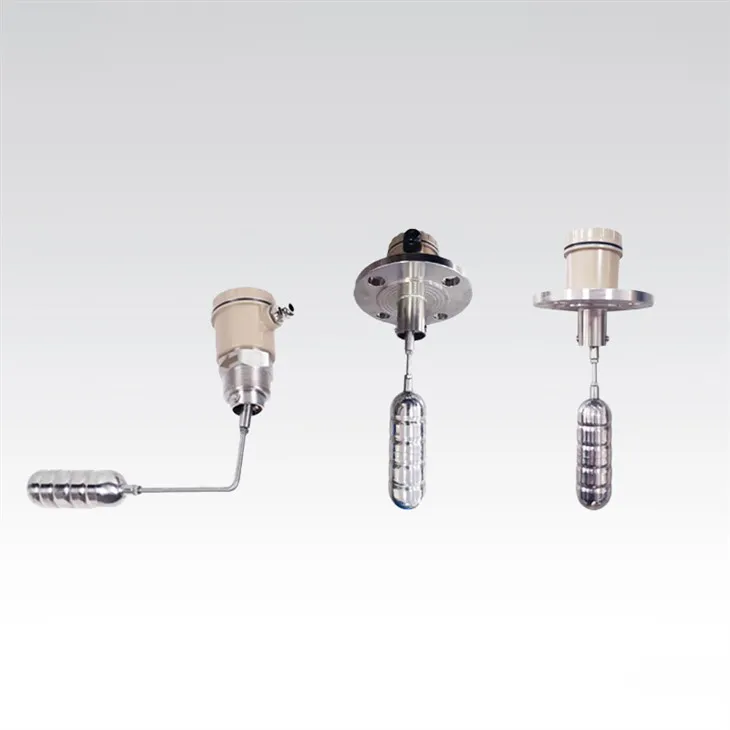
- Float Level Switch: Float level switches are widely used for liquid level detection in tanks, sumps, and other containers. They operate based on the principle of buoyancy, with a float that rises and falls with the liquid level. When the float reaches a certain position, it activates the switch.
- Tuning Fork Level Switch: Tuning fork level switches are suitable for both liquid and dry bulk solid applications. They work by vibrating a tuning fork at its natural frequency. When the fork comes into contact with the material, the vibration frequency changes, which is detected by the switch.
Factors to Consider Before Adjusting the Setpoint
Before adjusting the setpoint of a level switch, it's important to consider several factors to ensure the accuracy and reliability of the switch. Here are some key factors to keep in mind:

- Application Requirements: Different applications have different level monitoring requirements. For example, in a chemical processing plant, you may need to monitor the level of a corrosive liquid accurately, while in a food processing facility, you may require a hygienic level switch that meets strict food safety standards.
- Material Properties: The properties of the material being monitored, such as density, viscosity, and temperature, can affect the performance of the level switch. For example, a high-viscosity liquid may require a different type of level switch than a low-viscosity liquid.
- Installation Location: The location of the level switch installation can also impact its performance. For example, if the switch is installed in a vibrating environment, you may need to choose a switch that is resistant to vibration.
Adjusting the Setpoint of Different Types of Level Switches
Now that we've covered the basics, let's take a closer look at how to adjust the setpoint of different types of level switches.
Rotary Paddle Level Switch
Adjusting the setpoint of a rotary paddle level switch is relatively straightforward. Here are the general steps:
- Determine the Desired Setpoint: Decide the level at which you want the switch to trigger. This could be the maximum level, minimum level, or a specific intermediate level.
- Locate the Adjustment Mechanism: Most rotary paddle level switches have an adjustment mechanism that allows you to change the position of the paddle. This could be a screw, a nut, or a lever.
- Adjust the Paddle Position: Use the adjustment mechanism to move the paddle to the desired setpoint. Make sure the paddle is properly aligned and free to rotate.
- Test the Switch: Once you've adjusted the paddle position, test the switch by simulating the presence of the material. You can do this by manually blocking the paddle or by introducing a small amount of the material into the container.
Float Level Switch
Adjusting the setpoint of a float level switch involves changing the position of the float. Here's how you can do it:
- Determine the Desired Setpoint: As with the rotary paddle level switch, decide the level at which you want the switch to trigger.
- Locate the Float: Identify the float on the level switch. The float is usually attached to a rod or a cable.
- Adjust the Float Position: Depending on the design of the float level switch, you can adjust the float position by moving the rod or cable up or down. Some float level switches have a locking mechanism that allows you to secure the float in place once you've adjusted it.
- Test the Switch: After adjusting the float position, test the switch by filling the container with the liquid to the desired level. Make sure the switch triggers at the correct level.
Tuning Fork Level Switch
Adjusting the setpoint of a tuning fork level switch is a bit more complex than the other two types of level switches. Here are the general steps:
- Determine the Desired Setpoint: Again, decide the level at which you want the switch to trigger.
- Locate the Sensitivity Adjustment: Tuning fork level switches typically have a sensitivity adjustment that allows you to fine-tune the switch's response. This adjustment can usually be made using a potentiometer or a dip switch.
- Adjust the Sensitivity: Start by setting the sensitivity to the minimum value. Then, gradually increase the sensitivity until the switch triggers at the desired level. You may need to test the switch several times to get the sensitivity just right.
- Lock the Adjustment: Once you've adjusted the sensitivity, lock the adjustment to prevent it from changing accidentally.
Pros and Cons of Different Adjustment Methods
There are several methods for adjusting the setpoint of a level switch, each with its own pros and cons. Here's a brief overview:
- Manual Adjustment: Manual adjustment is the most common method for adjusting the setpoint of a level switch. It's simple, inexpensive, and allows for precise control. However, it can be time-consuming and requires manual intervention.
- Remote Adjustment: Remote adjustment allows you to adjust the setpoint of a level switch from a remote location using a control system or a communication interface. This method is convenient and can save time, especially in large industrial applications. However, it requires additional equipment and may be more expensive.
- Automatic Adjustment: Automatic adjustment uses sensors and algorithms to adjust the setpoint of a level switch automatically based on the changing conditions of the process. This method is highly accurate and can improve the efficiency of the process. However, it is complex and requires advanced technology.
Conclusion
Adjusting the setpoint of a level switch is a critical task that requires careful consideration and attention to detail. By understanding the different types of level switches, the factors that affect their performance, and the various adjustment methods available, you can ensure that your level switch operates accurately and reliably.
If you're in the market for a high-quality level switch or need assistance with setpoint adjustment, please don't hesitate to contact us. Our team of experts is always ready to help you find the right solution for your specific application.
References
- "Level Measurement Handbook" by Peter W. Spitzer
- "Industrial Instrumentation and Control Handbook" by Bela G. Liptak