
How accurate is the 3051 DP Transmitter?
Leave a message

As a supplier of the 3051 DP Transmitter, I often get asked about the accuracy of this remarkable device. In this blog post, I'll delve into the details of how accurate the 3051 DP Transmitter truly is, exploring its key features, factors affecting accuracy, and real - world applications.
Understanding the 3051 DP Transmitter
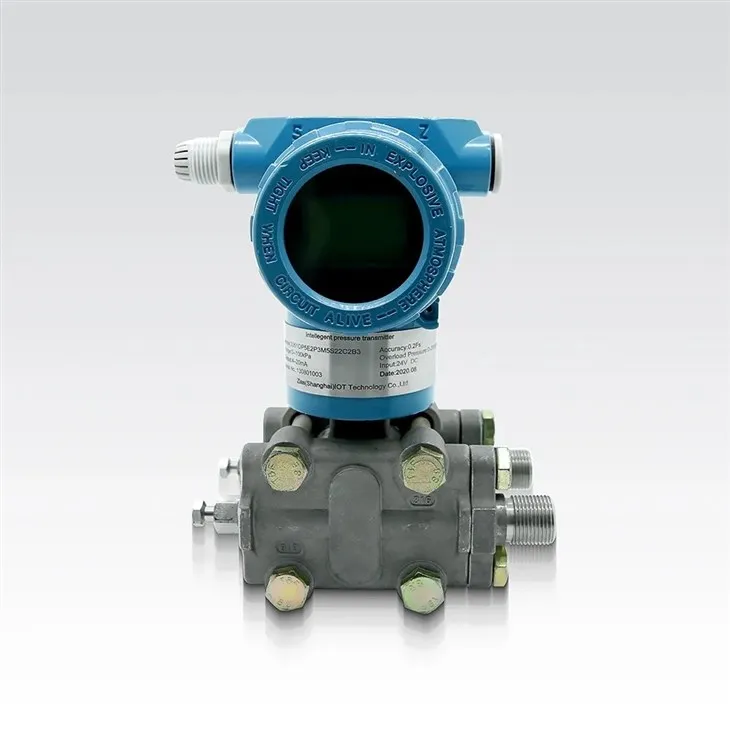
The 3051 DP Transmitter, also known as a Differential Pressure Transmitter, is a widely used instrument in industrial and commercial settings. It measures the difference in pressure between two points and converts this differential pressure into an electrical signal, which can be further processed and used for control, monitoring, and measurement purposes.
Key Features Contributing to Accuracy
High - Quality Sensing Elements
The heart of the 3051 DP Transmitter is its sensing element. These elements are designed and manufactured with high precision, using advanced materials and technologies. For example, some models use a silicon sensing diaphragm. Silicon has excellent mechanical properties, such as high elasticity and low hysteresis. This means that when pressure is applied to the diaphragm, it deforms in a very predictable and repeatable way. As a result, the transmitter can accurately measure even small changes in differential pressure.
Advanced Signal Processing
Modern 3051 DP Transmitters are equipped with state - of - the - art signal processing algorithms. These algorithms are designed to filter out noise, correct for temperature variations, and linearize the output signal. Noise can be introduced by various sources, such as electrical interference or mechanical vibrations. The signal processing algorithms use digital filtering techniques to remove this noise, ensuring that the output signal accurately represents the measured differential pressure. Temperature compensation is also crucial because the performance of the sensing element can be affected by changes in temperature. The transmitter's internal algorithms continuously monitor the temperature and adjust the output signal accordingly, maintaining high accuracy over a wide temperature range.
Calibration and Factory Testing
Before leaving the factory, each 3051 DP Transmitter undergoes a rigorous calibration and testing process. Calibration involves comparing the output of the transmitter to a known reference pressure. The manufacturer uses highly accurate pressure standards to ensure that the transmitter's output is within the specified accuracy limits. During testing, the transmitter is subjected to a variety of operating conditions, including different pressures, temperatures, and flow rates. This comprehensive testing helps to identify any potential issues and ensures that the transmitter will perform accurately in real - world applications.

Factors Affecting Accuracy
Installation Conditions
The way the 3051 DP Transmitter is installed can have a significant impact on its accuracy. For example, if the transmitter is not installed level, it can introduce an additional pressure due to the weight of the fluid column. This can lead to errors in the measured differential pressure. Additionally, improper mounting can cause mechanical stress on the sensing element, which can affect its performance. It is essential to follow the manufacturer's installation guidelines carefully to ensure accurate measurements.
Process Conditions
The nature of the process fluid and the operating conditions can also affect the accuracy of the transmitter. For instance, if the fluid contains particles or contaminants, these can accumulate on the sensing element, causing blockages or altering its mechanical properties. High - viscosity fluids can also pose challenges, as they may not flow smoothly through the pressure ports, leading to inaccurate pressure measurements. Extreme temperatures or pressures outside the specified operating range of the transmitter can also degrade its accuracy.
Long - Term Drift
Over time, all electronic devices are subject to some degree of drift. The 3051 DP Transmitter is no exception. Drift can be caused by factors such as component aging, changes in the electrical characteristics of the internal circuits, or environmental factors. To minimize the impact of drift, regular calibration and maintenance are recommended. By periodically recalibrating the transmitter, any drift can be detected and corrected, ensuring that the accuracy is maintained over the long term.
Real - World Applications and Accuracy Requirements
Flow Measurement
One of the most common applications of the 3051 DP Transmitter is in flow measurement. In a flow measurement system, the differential pressure across an orifice plate or a venturi tube is measured, and the flow rate is calculated based on this differential pressure. The accuracy of the flow measurement depends directly on the accuracy of the DP Transmitter. In many industrial processes, such as oil and gas production or chemical manufacturing, accurate flow measurement is crucial for process control, inventory management, and regulatory compliance. A high - accuracy 3051 DP Transmitter can ensure that the flow rate is measured within the required tolerance, helping to optimize the process and reduce costs.
Level Measurement
The 3051 DP Transmitter is also widely used for level measurement in tanks and vessels. By measuring the differential pressure between the bottom and the top of the tank, the level of the liquid can be determined. In applications where precise level control is required, such as in water treatment plants or food and beverage production, the accuracy of the DP Transmitter is essential. A small error in level measurement can lead to over - filling or under - filling of the tank, which can have serious consequences for the process and product quality.
Pressure Monitoring in HVAC Systems
In heating, ventilation, and air - conditioning (HVAC) systems, the 3051 DP Transmitter can be used to monitor the differential pressure across filters, coils, and dampers. This helps to ensure that the system is operating efficiently and that the air quality is maintained. For example, a clogged filter can cause an increase in differential pressure, which can be detected by the DP Transmitter. By accurately measuring the differential pressure, the HVAC system can be adjusted or the filter can be replaced in a timely manner. In these applications, a Differential Pressure Sensor with high accuracy is necessary to ensure proper system operation.
How to Ensure High Accuracy in Your Applications
Select the Right Model
When choosing a 3051 DP Transmitter, it is important to select the model that is best suited for your specific application. Consider factors such as the required accuracy, the range of pressures to be measured, the type of process fluid, and the operating environment. The manufacturer usually provides detailed specifications for each model, which can help you make an informed decision.
Regular Maintenance and Calibration
As mentioned earlier, regular maintenance and calibration are essential for maintaining the accuracy of the 3051 DP Transmitter. Establish a maintenance schedule and follow it diligently. This may include cleaning the pressure ports, checking the electrical connections, and recalibrating the transmitter at regular intervals. By investing in proper maintenance, you can ensure that your transmitter continues to provide accurate measurements over its lifespan.
Training and Support
Ensure that your staff is properly trained in the installation, operation, and maintenance of the 3051 DP Transmitter. A well - trained operator is more likely to follow the correct procedures and can quickly identify and troubleshoot any issues that may arise. Additionally, look for a supplier that offers comprehensive technical support. This can be invaluable in ensuring that you get the most out of your transmitter and that any problems are resolved promptly.
Conclusion
The 3051 DP Transmitter is a highly accurate and reliable instrument when used correctly. Its advanced sensing elements, signal processing capabilities, and rigorous calibration and testing processes contribute to its high accuracy. However, factors such as installation conditions, process conditions, and long - term drift can affect its performance. By understanding these factors and taking appropriate measures, such as proper installation, regular maintenance, and calibration, you can ensure that the transmitter provides accurate measurements in your applications.
If you are in the market for a high - accuracy Accuracy Differential Pressure Transducer or have any questions about the 3051 DP Transmitter, I encourage you to contact us for a detailed discussion. We can help you select the right model for your needs and provide you with the support and expertise you require for successful implementation.
References
- Manufacturer's documentation for the 3051 DP Transmitter
- Industrial process control textbooks
- Technical papers on differential pressure measurement