Can a digital pressure gauge be used for measuring liquid pressure?
Leave a message

Hey there! As a supplier of Digital Pressure Gauges, I often get asked whether a digital pressure gauge can be used for measuring liquid pressure. Well, let's dive right into this topic and find out!
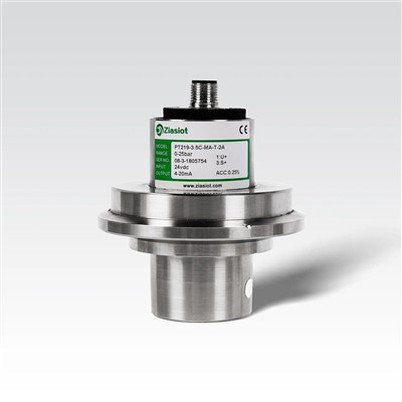
First off, let's understand what a digital pressure gauge is. It's a device that measures pressure and displays the reading digitally. Unlike traditional mechanical gauges, digital pressure gauges offer higher accuracy, better readability, and often come with additional features like data logging and connectivity options.
Now, can they measure liquid pressure? The short answer is yes, they can. In fact, digital pressure gauges are quite versatile and can be used in a wide range of applications, including measuring the pressure of liquids.
One of the key advantages of using a digital pressure gauge for liquid pressure measurement is accuracy. Digital gauges are typically more precise than their mechanical counterparts. They can provide readings with a high degree of resolution, which is especially important when dealing with applications where even small changes in pressure can have a significant impact. For example, in a chemical processing plant, accurate pressure measurement of liquids is crucial for ensuring the safety and efficiency of the process.


Another benefit is the ease of use. Digital pressure gauges usually have a clear and easy - to - read display. You don't have to squint at a dial to figure out the pressure reading. This is particularly useful in industrial settings where operators may be wearing gloves or working in low - light conditions.
Let's talk about some of the technical aspects. Digital pressure gauges work based on different principles. One common type uses a strain - gauge sensor. When a liquid exerts pressure on the sensor, it causes a change in the electrical resistance of the strain gauge. This change is then converted into a pressure reading and displayed on the gauge.
There are also other types of sensors used in digital pressure gauges, such as capacitive sensors. Capacitive sensors measure pressure by detecting changes in capacitance due to the deformation of a diaphragm caused by the liquid pressure.
However, when using a digital pressure gauge to measure liquid pressure, there are a few things to keep in mind. First, the compatibility of the gauge with the liquid is crucial. Some liquids may be corrosive or abrasive, which can damage the sensor or other components of the gauge. For example, if you're measuring the pressure of a highly acidic liquid, you need to make sure that the gauge is made of materials that can withstand the corrosive effects of the acid.
The temperature of the liquid can also affect the performance of the digital pressure gauge. High - temperature liquids can cause the sensor to overheat, leading to inaccurate readings or even damage to the gauge. In such cases, you might need to consider using a gauge specifically designed for high - temperature applications, like our High Temperature Mechanical Melt Presssure Gauges.
The viscosity of the liquid is another factor. Highly viscous liquids may cause clogging or slow response times in the gauge. You need to choose a gauge that is suitable for the viscosity of the liquid you're measuring.
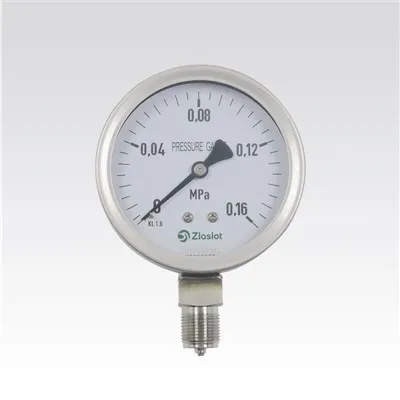
Now, let's compare digital pressure gauges with mechanical pressure gauges when it comes to measuring liquid pressure. Mechanical pressure gauges, like the ones in our Mechanical Presssure Gauge range, have been around for a long time and are well - known for their reliability. They don't require a power source, which can be an advantage in some situations. However, they are generally less accurate than digital gauges and may be more difficult to read, especially for small pressure changes.
Digital pressure gauges, on the other hand, offer better accuracy, additional features, and easier readability. They are also more suitable for applications where data needs to be recorded or transmitted. For example, in a modern water treatment plant, digital pressure gauges can be connected to a central monitoring system, allowing operators to remotely monitor the pressure of liquids in different parts of the plant.
We also offer Vacuum Digital Pressure Gauge which can be used in applications where the liquid pressure is in a vacuum environment. These gauges are designed to accurately measure low - pressure conditions, which is important in processes like vacuum distillation or freeze - drying.
In conclusion, digital pressure gauges are a great option for measuring liquid pressure. They offer high accuracy, ease of use, and a range of features that make them suitable for a variety of applications. But it's important to choose the right gauge based on the properties of the liquid, the temperature, and the specific requirements of your application.
If you're in the market for a digital pressure gauge for measuring liquid pressure, or if you have any questions about our products, I'd love to hear from you. Feel free to reach out and let's start a conversation about how we can meet your pressure measurement needs. Whether you're in the food and beverage industry, pharmaceuticals, or any other sector that requires accurate liquid pressure measurement, we've got the solutions for you.
References
- "Pressure Measurement Principles" by John Doe
- "Industrial Pressure Gauges: Types and Applications" by Jane Smith