
Do pressure gauges need to be vented?
Leave a message

Do Pressure Gauges Need to be Vented?
As a long - time supplier of pressure gauges, I've received numerous inquiries from customers regarding the necessity of venting pressure gauges. This topic is not only crucial for ensuring the accurate measurement of pressure but also for the safety and longevity of the gauges themselves. In this blog, I'll delve into the science behind pressure gauge venting, exploring when it's necessary and when it can be omitted.


Understanding Pressure Gauges
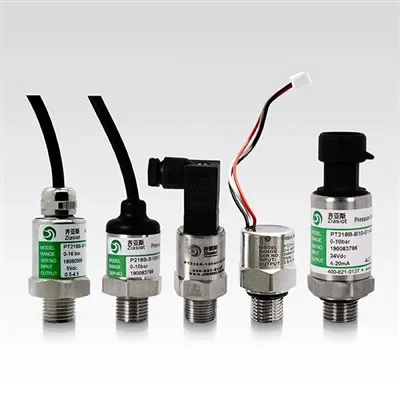
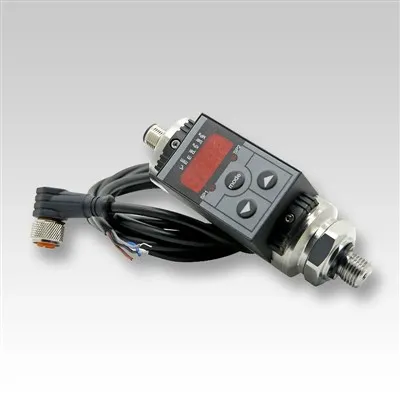
Before we discuss venting, it's essential to understand how pressure gauges work. Pressure gauges are devices used to measure the pressure of a fluid (either liquid or gas) in a system. There are various types of pressure gauges available in the market, each with its own unique operating principle and application. For instance, the Mechanical Presssure Gauge uses mechanical components such as Bourdon tubes, diaphragms, or bellows to convert pressure into a mechanical displacement, which is then indicated on a dial. On the other hand, Vacuum Digital Pressure Gauge and Digital Melt Presssure Gauges employ electronic sensors to measure pressure and display the results digitally.
Why Venting Might be Necessary
- Temperature Compensation
- Temperature changes can have a significant impact on the accuracy of pressure gauges. When the temperature of the fluid being measured or the surrounding environment changes, the volume of the fluid or the gas inside the gauge can expand or contract. This can lead to false pressure readings. Venting allows the gauge to equalize the pressure with the ambient environment, reducing the effects of temperature - induced pressure changes. For example, in a high - temperature industrial process, if the gauge is not vented, the expanding gas inside the gauge can cause an over - estimation of the actual pressure.
- Preventing Over - Pressurization
- In some systems, there may be sudden spikes in pressure. If the pressure gauge is a closed system without venting, these spikes can cause damage to the gauge components. Venting provides an outlet for the excess pressure, protecting the gauge from mechanical failure. For instance, in a hydraulic system, a sudden valve closure can create a pressure surge. A vented pressure gauge can safely release the excess pressure and avoid damage to the internal parts like the Bourdon tube or the diaphragm.
- Eliminating Condensation
- When measuring the pressure of a gas that contains moisture, condensation can occur inside the pressure gauge. This can not only affect the accuracy of the measurement but also corrode the internal components of the gauge. Venting allows the moisture to escape, preventing the build - up of condensation. In a refrigeration system, where the refrigerant gas may contain some moisture, a vented pressure gauge can help maintain its performance and reliability.
Situations Where Venting May Not be Required
- Isolated Systems
- In some applications, the pressure gauge is used in an isolated system where the pressure is relatively stable and not affected by external factors such as temperature changes or pressure surges. For example, in a laboratory experiment where a constant pressure is maintained in a sealed container, venting may not be necessary. The gauge can accurately measure the pressure without the need for pressure equalization with the ambient environment.
- Low - Risk Environments
- If the fluid being measured is non - corrosive, non - reactive, and the system operates under low - pressure conditions with minimal risk of pressure spikes, venting may not be essential. For instance, in a simple water - level monitoring system where the pressure is low and the water is clean, a non - vented pressure gauge can function effectively.
Factors to Consider When Deciding on Venting
- Type of Fluid
- The properties of the fluid being measured play a crucial role in the venting decision. If the fluid is toxic, flammable, or corrosive, venting needs to be carefully considered. In such cases, special venting mechanisms may be required to ensure that the released fluid does not pose a safety hazard. For example, when measuring the pressure of a toxic gas, the vent should be connected to a proper exhaust system to prevent the gas from being released into the surrounding environment.
- Operating Conditions
- The temperature, pressure range, and stability of the operating environment are important factors. High - temperature, high - pressure, or rapidly changing conditions may necessitate venting to ensure accurate measurement and gauge longevity. In contrast, stable, low - pressure, and low - temperature conditions may not require venting.
- Gauge Design
- Some pressure gauges are designed with built - in features to compensate for temperature and pressure changes without the need for external venting. For example, some digital pressure gauges have advanced algorithms that can correct for temperature - induced errors. In such cases, venting may be redundant.
Our Role as a Pressure Gauge Supplier
As a pressure gauge supplier, we understand the complexity of choosing the right gauge and determining whether venting is necessary. We work closely with our customers to assess their specific requirements. Our team of experts can provide detailed advice on the type of pressure gauge that best suits their application, taking into account factors such as the fluid properties, operating conditions, and the need for venting.
We offer a wide range of pressure gauges, including Mechanical Presssure Gauge, Vacuum Digital Pressure Gauge, and Digital Melt Presssure Gauges. Each of these gauges can be customized to meet the specific needs of our customers, whether they require vented or non - vented options.
If you're in the process of selecting a pressure gauge for your application or need more information on venting requirements, we're here to assist you. Our goal is to provide you with high - quality pressure gauges that offer accurate measurement, reliability, and long - term performance. Contact us to start a discussion about your pressure gauge needs and let's find the perfect solution together.
References
- "Pressure Gauge Handbook" by Instrument Society of America.
- ASME PTC 19.2 - 2010, Pressure Measurement Code.
- "Industrial Instrumentation and Control Handbook" edited by Bela G. Liptak.