Can MEMS pressure transmitters be used in power generation industry?
Leave a message

As a supplier of MEMS pressure transmitters, I am often asked whether these devices can be effectively used in the power generation industry. In this blog post, I will delve into this question, exploring the capabilities of MEMS pressure transmitters and their potential applications in power generation.
Understanding MEMS Pressure Transmitters
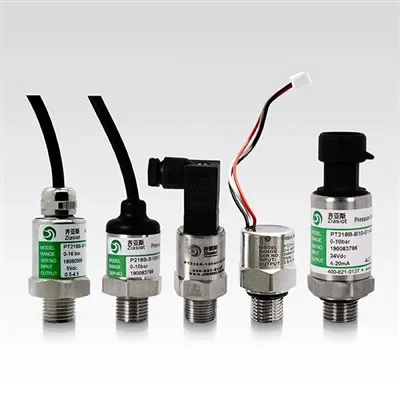
MEMS, or Micro-Electro-Mechanical Systems, technology has revolutionized the field of pressure sensing. MEMS pressure transmitters are based on tiny mechanical structures integrated with electronic components on a single chip. These devices are known for their small size, high precision, low power consumption, and cost - effectiveness.
The basic principle behind a MEMS pressure transmitter is the measurement of the deformation of a thin diaphragm due to pressure changes. When pressure is applied to the diaphragm, it deflects, and this deflection is converted into an electrical signal through various transduction mechanisms such as piezoresistive or capacitive sensing.
Power Generation Industry Requirements
The power generation industry encompasses a wide range of technologies, including fossil - fuel power plants, nuclear power plants, hydroelectric power plants, and renewable energy sources like wind and solar. Each of these power generation methods has its own set of requirements for pressure measurement.
In fossil - fuel power plants, pressure measurement is crucial in several areas. For example, in the boiler system, accurate pressure monitoring is essential to ensure safe and efficient operation. High - pressure steam is used to drive turbines, and any deviation in steam pressure can affect the power output and the overall safety of the plant. In addition, pressure measurement is also required in the fuel delivery system, where the pressure of the fuel (such as coal, gas, or oil) needs to be precisely controlled.
Nuclear power plants have even more stringent requirements for pressure measurement. The cooling systems in nuclear reactors operate under high pressures, and any malfunction in pressure sensing can lead to serious safety hazards. The pressure in the reactor core, the primary and secondary coolant loops, and the containment systems all need to be continuously monitored with high accuracy.
Hydroelectric power plants rely on the pressure of water to generate electricity. Pressure sensors are used to measure the water pressure in the penstocks, which are large pipes that carry water from the reservoir to the turbines. Accurate pressure measurement helps in optimizing the power output and ensuring the structural integrity of the penstocks.
Renewable energy sources such as wind and solar also benefit from pressure measurement. In wind turbines, pressure sensors can be used to measure the air pressure around the blades, which can help in adjusting the pitch of the blades for optimal performance. In solar power plants, pressure sensors can be used in the cooling systems of photovoltaic panels to ensure proper heat dissipation.
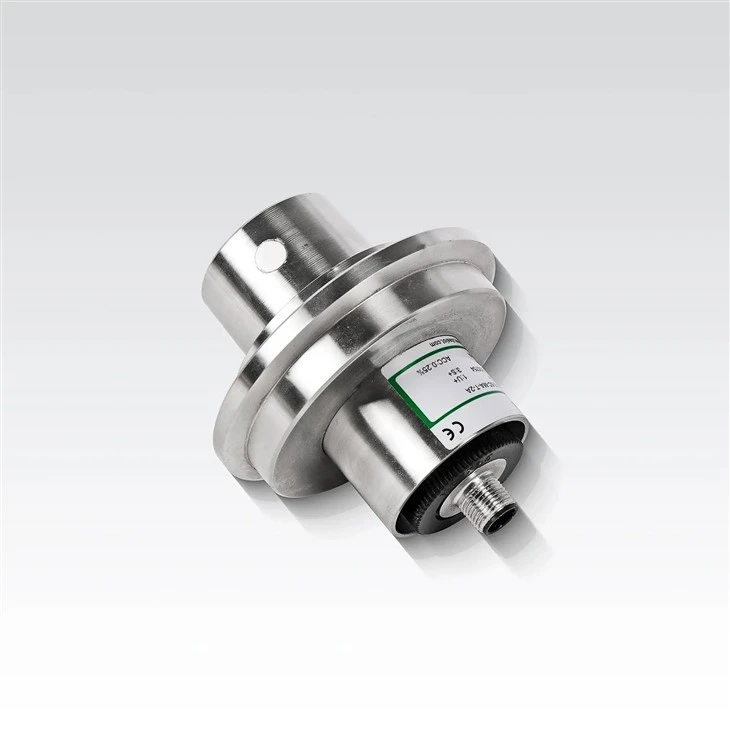

Advantages of MEMS Pressure Transmitters in Power Generation
- High Precision: MEMS pressure transmitters can provide high - accuracy pressure measurements, which is essential for the safe and efficient operation of power generation plants. The small size of the MEMS sensors allows for precise measurement of pressure changes, even in small - scale systems.
- Compact Size: The compact size of MEMS pressure transmitters makes them easy to install in tight spaces. In power generation plants, where space is often limited, this advantage is particularly valuable. For example, in a nuclear power plant, the sensors can be installed in small - diameter pipes or in areas with limited access.
- Cost - Effectiveness: Compared to traditional pressure sensors, MEMS pressure transmitters are more cost - effective. The mass - production capabilities of MEMS technology result in lower manufacturing costs, which can lead to significant savings for power generation companies.
- Low Power Consumption: MEMS pressure transmitters consume very little power, which is beneficial for power generation plants that are constantly looking for ways to reduce energy consumption. The low power requirement also means that the sensors can be easily integrated into battery - powered or remote monitoring systems.
Applications of MEMS Pressure Transmitters in Power Generation
- Steam Pressure Monitoring: In fossil - fuel and nuclear power plants, MEMS pressure transmitters can be used to monitor the steam pressure in the boiler and turbine systems. The high - precision measurement capabilities of these sensors ensure that the steam pressure remains within the optimal range, improving the efficiency and safety of the power generation process.
- Cooling System Monitoring: In both nuclear and fossil - fuel power plants, the cooling systems are critical for maintaining the proper operating temperature. MEMS pressure transmitters can be used to monitor the pressure in the cooling water pipes, ensuring that the cooling system is functioning properly.
- Fuel System Monitoring: In power plants that use fossil fuels, MEMS pressure transmitters can be used to monitor the pressure in the fuel delivery system. This helps in ensuring a consistent supply of fuel to the burners, improving the combustion efficiency and reducing emissions.
- Water Pressure Monitoring in Hydroelectric Plants: In hydroelectric power plants, MEMS pressure transmitters can be used to measure the water pressure in the penstocks. This information can be used to optimize the power output of the turbines and to detect any potential leaks or blockages in the penstocks.
Challenges and Considerations
While MEMS pressure transmitters offer many advantages for the power generation industry, there are also some challenges and considerations that need to be addressed.
- High - Temperature and High - Pressure Environments: Power generation plants often operate in high - temperature and high - pressure environments. MEMS pressure transmitters need to be designed to withstand these harsh conditions. Special packaging and materials may be required to protect the MEMS sensors from extreme temperatures and pressures.
- Electromagnetic Interference (EMI): Power generation plants are full of electrical equipment that can generate electromagnetic interference. MEMS pressure transmitters need to be shielded from EMI to ensure accurate measurement. This may require the use of special shielding materials and proper grounding techniques.
- Reliability and Long - Term Stability: In power generation, reliability is of utmost importance. MEMS pressure transmitters need to have a long - term stable performance, with minimal drift over time. Regular calibration and maintenance are required to ensure the accuracy of the sensors.
Conclusion
In conclusion, MEMS pressure transmitters have great potential for use in the power generation industry. Their high precision, compact size, cost - effectiveness, and low power consumption make them suitable for a wide range of applications in different types of power plants. However, to fully realize their potential, the challenges of high - temperature and high - pressure environments, electromagnetic interference, and long - term stability need to be addressed.
If you are in the power generation industry and are looking for reliable MEMS pressure transmitters, we are here to help. Our company offers a wide range of MEMS pressure transmitters that are designed to meet the specific requirements of the power generation sector. For more information about our MEMS Pressure Sensor for Shield Tunneling Machine, please feel free to contact us for procurement and negotiation. We are committed to providing you with the best products and services to ensure the safe and efficient operation of your power generation facilities.
References
- "MEMS Technology and Applications" - A comprehensive book on MEMS technology and its various applications.
- "Power Generation Handbook" - A reference book that covers all aspects of power generation, including pressure measurement requirements.
- Industry reports on the use of sensors in power generation from leading research firms.