
Can Indicators and Controllers be used in the pharmaceutical industry?
Leave a message

In the highly regulated and precision - driven pharmaceutical industry, the use of reliable equipment is of utmost importance. Indicators and controllers play a crucial role in ensuring the quality, safety, and efficiency of pharmaceutical manufacturing processes. As a leading supplier of indicators and controllers, I am well - versed in the capabilities and applications of these devices in this industry.
1. The Significance of Indicators and Controllers in Pharmaceuticals
1.1 Quality Assurance
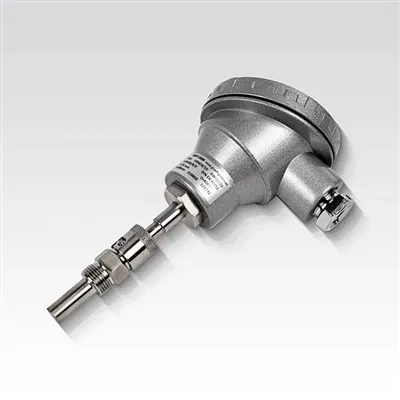
In pharmaceutical production, maintaining strict quality control is non - negotiable. Indicators and controllers are essential for monitoring and regulating various parameters such as temperature, pressure, and flow rate. For instance, during the manufacturing of vaccines, precise temperature control is critical to preserve the efficacy of the biological agents. A Temperature Indicator can accurately display the temperature in real - time, allowing operators to take immediate action if the temperature deviates from the set range. This helps in preventing product degradation and ensuring that the final product meets the required quality standards.
1.2 Process Efficiency
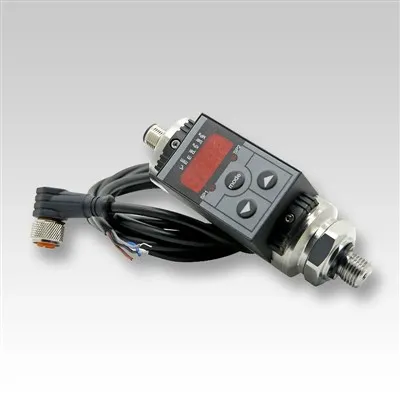
Efficiency is another key aspect in pharmaceutical manufacturing. By using controllers, processes can be automated and optimized. For example, a Melt Pressure Controller can regulate the pressure during the extrusion process of pharmaceutical polymers. This not only ensures a consistent product quality but also reduces the production time and waste. With the ability to adjust the pressure automatically based on the pre - set parameters, the controller can maintain a stable production environment, leading to higher productivity.
1.3 Safety
Safety is a top priority in the pharmaceutical industry. Indicators and controllers contribute significantly to maintaining a safe working environment. In a chemical synthesis process, high - pressure reactions need to be carefully monitored. A pressure indicator can alert operators if the pressure exceeds the safe limit, preventing potential explosions or other hazardous situations. Moreover, controllers can be programmed to shut down the system automatically in case of an emergency, protecting both the equipment and the personnel.
2. Types of Indicators and Controllers Used in the Pharmaceutical Industry
2.1 Temperature Indicators and Controllers
Temperature is a critical parameter in many pharmaceutical processes, including fermentation, drying, and storage. Temperature indicators provide real - time information about the temperature, while temperature controllers can adjust the heating or cooling systems to maintain the desired temperature. For example, in a lyophilization process, where drugs are freeze - dried, precise temperature control is necessary to ensure the integrity of the product. Our temperature indicators and controllers are designed to offer high accuracy and reliability, making them suitable for such demanding applications.
2.2 Pressure Indicators and Controllers
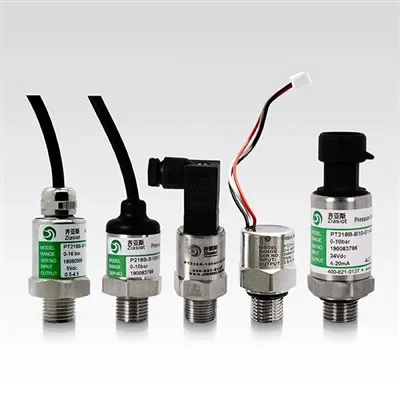
Pressure control is vital in various pharmaceutical operations, such as filtration, distillation, and homogenization. A Homogenizer Digital Pressure Gauge can accurately measure the pressure during the homogenization process, which is used to break down particles and create a uniform mixture. Pressure controllers can then adjust the pressure to achieve the optimal homogenization effect. This is crucial for the quality of emulsions, suspensions, and other pharmaceutical formulations.
2.3 Flow Indicators and Controllers
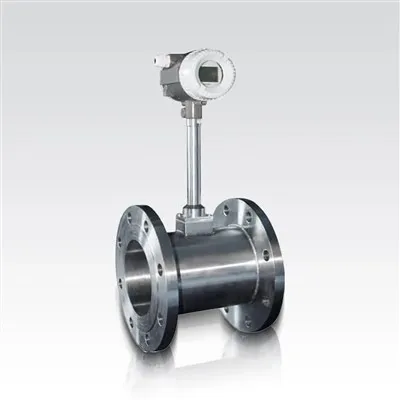
Flow rate control is important in processes like liquid dispensing, chromatography, and drug delivery systems. Flow indicators can measure the rate of fluid flow, and flow controllers can adjust the flow rate to ensure consistent dosing and accurate processing. In an intravenous drug delivery system, for example, precise flow control is essential to deliver the correct amount of medication to the patient.
3. Challenges and Solutions in Using Indicators and Controllers in Pharmaceuticals
3.1 Regulatory Compliance
The pharmaceutical industry is subject to strict regulations, such as Good Manufacturing Practices (GMP). Indicators and controllers need to comply with these regulations to be used in pharmaceutical manufacturing. Our products are designed and manufactured in accordance with international standards, ensuring that they meet the regulatory requirements. We also provide documentation and support to help our customers with the validation process.
3.2 Compatibility with Pharmaceutical Processes
Pharmaceutical processes often involve complex chemical reactions and sensitive materials. Indicators and controllers need to be compatible with these processes to avoid any interference or contamination. We offer a wide range of materials and designs for our products, ensuring that they can be used in different pharmaceutical applications without causing any adverse effects.
3.3 Maintenance and Calibration
Regular maintenance and calibration are necessary to ensure the accuracy and reliability of indicators and controllers. We provide comprehensive maintenance and calibration services to our customers. Our technicians are trained to perform these tasks in accordance with the highest standards, ensuring that the devices continue to function properly over time.
4. Case Studies
4.1 Vaccine Production
A major vaccine manufacturer was facing challenges in maintaining the temperature during the storage and transportation of vaccines. They installed our temperature indicators and controllers in their cold storage facilities and vaccine carriers. The devices provided real - time temperature monitoring and precise control, ensuring that the vaccines were stored at the optimal temperature. As a result, the quality of the vaccines was significantly improved, and the rate of product rejection was reduced.
4.2 Pharmaceutical Extrusion
A pharmaceutical company was struggling with inconsistent pressure control during the extrusion of pharmaceutical polymers. After implementing our Melt Pressure Controller, they were able to achieve a stable pressure throughout the process. This led to a more uniform product quality and increased production efficiency.
5. Conclusion and Call to Action
In conclusion, indicators and controllers are indispensable in the pharmaceutical industry. They play a vital role in quality assurance, process efficiency, and safety. As a trusted supplier of indicators and controllers, we are committed to providing high - quality products and excellent services to the pharmaceutical industry.


If you are in the pharmaceutical industry and are looking for reliable indicators and controllers, we would be delighted to discuss your specific needs. Our team of experts can provide customized solutions to meet your requirements. Contact us today to start a conversation about how our products can enhance your pharmaceutical manufacturing processes.
References
- International Council for Harmonisation of Technical Requirements for Pharmaceuticals for Human Use (ICH). Good Manufacturing Practice (GMP) Guidelines.
- Pharmaceutical Engineering Society (PES). Handbook of Pharmaceutical Processing Equipment.