
Can a Vortex Flowmeter be used in a hazardous area?
Leave a message

Hey there! As a supplier of Vortex Flowmeters, I often get asked whether our Vortex Flowmeters can be used in hazardous areas. It's a crucial question, especially for industries where safety is a top priority. So, let's dive right into it and explore this topic in detail.
First off, let's understand what a hazardous area is. A hazardous area is a place where there's a risk of an explosion due to the presence of flammable gases, vapors, dust, or fibers. Industries like oil and gas, chemical manufacturing, and mining often have these kinds of areas. In such environments, using equipment that can operate safely without causing an explosion is super important.
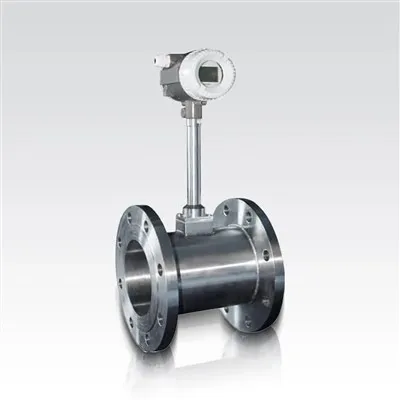
Now, let's talk about Vortex Flowmeters. Vortex Flowmeters work on the principle of the von Kármán effect. When a fluid flows past a bluff body in the flowmeter, it creates vortices. The frequency of these vortices is directly proportional to the flow rate of the fluid. It's a pretty neat and reliable way to measure flow. You can learn more about our Vortex Flowmeter on our website.
So, can a Vortex Flowmeter be used in a hazardous area? The answer is yes, but with some important considerations.
One of the main factors is the construction and design of the flowmeter. Our Vortex Flowmeters are built with safety in mind. They are designed to prevent any electrical sparks or heat that could potentially ignite the flammable substances in the hazardous area. For example, the electronics inside the flowmeter are housed in explosion - proof enclosures. These enclosures are made of strong materials that can contain any explosion that might occur inside the device, preventing it from spreading to the surrounding environment.
Another aspect is the certification. Our Vortex Flowmeters come with relevant certifications for use in hazardous areas. These certifications are issued by recognized authorities after rigorous testing to ensure that the flowmeters meet the strict safety standards required for such environments. For instance, they might have ATEX or IECEx certifications, which are widely recognized in Europe and globally for equipment used in explosive atmospheres.


Let's compare Vortex Flowmeters with other types of flowmeters in the context of hazardous areas. Take the Turbine Flow Meter for example. Turbine Flow Meters have moving parts, which can create more friction and potentially generate heat. In a hazardous area, this extra heat or the wear and tear on the moving parts could pose a risk. On the other hand, Vortex Flowmeters have no moving parts in the flow path, which reduces the risk of mechanical failure and heat generation.
The LDG Electromagnetic Flowmeter is another option. While it's also a reliable flowmeter, it might not be as suitable for some hazardous areas. Electromagnetic Flowmeters rely on electrical currents to measure the flow, and in some cases, the electrical components could be a source of ignition if not properly protected. Vortex Flowmeters, with their explosion - proof enclosures and low - risk design, offer a safer alternative in many situations.
However, it's not just about the flowmeter itself. Proper installation and maintenance are also key. When installing a Vortex Flowmeter in a hazardous area, it must be done by trained professionals who understand the safety requirements. They need to ensure that all the connections are secure, the grounding is correct, and the flowmeter is installed in accordance with the manufacturer's instructions.
Regular maintenance is also essential. This includes checking the integrity of the explosion - proof enclosures, testing the electrical components, and making sure that the flowmeter is still functioning accurately. If any issues are detected during maintenance, they need to be addressed immediately to prevent any safety risks.
In addition to the safety features, our Vortex Flowmeters also offer excellent performance in hazardous areas. They can accurately measure the flow rate of a wide range of fluids, including gases and liquids. This makes them suitable for various applications in industries like petrochemical, where different types of fluids need to be measured.
The accuracy of our Vortex Flowmeters is maintained over a long period, even in harsh conditions. They are designed to be resistant to corrosion and wear, which is important in hazardous areas where the environment can be quite aggressive.
So, if you're in an industry that has hazardous areas and you're looking for a reliable and safe flow measurement solution, our Vortex Flowmeters could be the perfect choice. They combine safety, performance, and durability, making them a great investment for your business.
If you're interested in learning more about our Vortex Flowmeters or have any questions regarding their use in hazardous areas, don't hesitate to get in touch with us. We have a team of experts who can provide you with all the information you need and guide you through the process of selecting the right flowmeter for your specific application. Let's start a conversation and see how we can help you with your flow measurement needs.
References
- Industry standards for hazardous area equipment
- Technical documentation of Vortex Flowmeters
- Research on flow measurement in hazardous environments