
Can a Homogenizer Pressure Gauge be used in a hazardous area?
Leave a message

Can a Homogenizer Pressure Gauge be used in a hazardous area?
As a supplier of Homogenizer Pressure Gauges, I often receive inquiries from customers about the suitability of our products for use in hazardous areas. This is a crucial question, as the safety and reliability of pressure gauges in such environments are of utmost importance. In this blog post, I will delve into the topic and provide a comprehensive answer to the question: Can a Homogenizer Pressure Gauge be used in a hazardous area?
Understanding Hazardous Areas
Before we discuss the use of Homogenizer Pressure Gauges in hazardous areas, it is essential to understand what a hazardous area is. Hazardous areas are locations where there is a risk of explosion due to the presence of flammable gases, vapors, dusts, or fibers. These areas are classified based on the likelihood and duration of the presence of the explosive atmosphere. The most common classification systems are the International Electrotechnical Commission (IEC) and the National Electrical Code (NEC) in the United States.
In general, hazardous areas are divided into zones or classes, depending on the classification system used. For example, the IEC system classifies hazardous areas into Zones 0, 1, and 2 for gases and vapors, and Zones 20, 21, and 22 for dusts. Zone 0 is the most hazardous, where an explosive atmosphere is present continuously or for long periods, while Zone 2 is the least hazardous, where an explosive atmosphere is only likely to occur under abnormal conditions.
Requirements for Pressure Gauges in Hazardous Areas
When it comes to using pressure gauges in hazardous areas, there are specific requirements that must be met to ensure safety. These requirements are typically defined by international standards and regulations, such as the ATEX directive in Europe and the UL standards in the United States. Some of the key requirements for pressure gauges in hazardous areas include:
- Explosion-proof construction: Pressure gauges used in hazardous areas must be designed and constructed to prevent the ignition of the explosive atmosphere. This may involve using explosion-proof enclosures, flameproof joints, and other safety features to contain any potential explosions within the gauge.
- Certification: Pressure gauges for hazardous areas must be certified by a recognized testing laboratory to meet the relevant safety standards. The certification process typically involves rigorous testing of the gauge's performance and safety features to ensure compliance.
- Material compatibility: The materials used in the construction of the pressure gauge must be compatible with the hazardous substances present in the area. This includes the wetted parts of the gauge, such as the diaphragm, bourdon tube, and connections, as well as the external housing.
- Temperature and pressure ratings: Pressure gauges must be rated for the temperature and pressure conditions in the hazardous area. This ensures that the gauge can operate safely and accurately under the specified conditions without posing a risk of failure or explosion.
Can a Homogenizer Pressure Gauge be Used in a Hazardous Area?
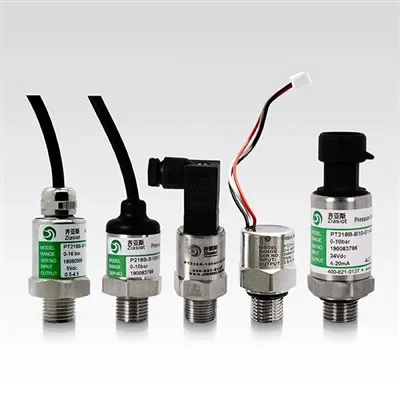
The answer to this question depends on several factors, including the design and construction of the homogenizer pressure gauge, the type of hazardous area, and the specific requirements of the application. In general, not all homogenizer pressure gauges are suitable for use in hazardous areas. However, there are specialized pressure gauges available that are designed and certified for use in such environments.
At our company, we offer a range of Mechanical Presssure Gauge that are specifically designed for use in hazardous areas. These gauges are constructed with explosion-proof enclosures and other safety features to prevent the ignition of the explosive atmosphere. They are also certified by recognized testing laboratories to meet the relevant safety standards, ensuring compliance with international regulations.
In addition to our standard mechanical pressure gauges, we also offer High Temperature Mechanical Melt Presssure Gauges that are suitable for use in high-temperature and high-pressure applications in hazardous areas. These gauges are designed to withstand extreme conditions and provide accurate pressure measurements in challenging environments.
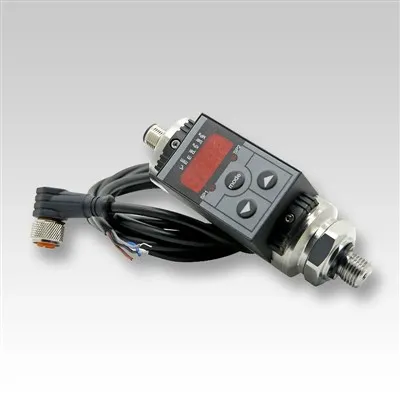
For applications that require precise pressure measurements and digital display, we offer Vacuum Digital Pressure Gauge that are also certified for use in hazardous areas. These gauges feature advanced digital technology and high-resolution displays, providing accurate and reliable pressure readings.
Considerations for Using Homogenizer Pressure Gauges in Hazardous Areas
When using homogenizer pressure gauges in hazardous areas, there are several considerations that should be taken into account to ensure safety and optimal performance. Some of these considerations include:
- Proper installation: Pressure gauges must be installed correctly in accordance with the manufacturer's instructions and the relevant safety regulations. This includes ensuring proper grounding, correct mounting, and appropriate wiring to prevent any potential electrical hazards.
- Regular maintenance and inspection: Pressure gauges should be regularly maintained and inspected to ensure their continued safety and performance. This may involve checking for signs of damage, wear, or corrosion, and replacing any worn or damaged parts as needed.
- Training and awareness: Personnel working in hazardous areas should be properly trained on the safe use and handling of pressure gauges. This includes understanding the potential hazards associated with the use of pressure gauges in hazardous areas and following the appropriate safety procedures.
- Compatibility with other equipment: Pressure gauges should be compatible with other equipment in the hazardous area, such as valves, pumps, and pipes. This ensures that the entire system operates safely and efficiently without any potential interactions or hazards.
Conclusion
In conclusion, while not all homogenizer pressure gauges are suitable for use in hazardous areas, there are specialized pressure gauges available that are designed and certified to meet the specific requirements of these environments. At our company, we offer a range of pressure gauges that are specifically designed for use in hazardous areas, including Mechanical Presssure Gauge, High Temperature Mechanical Melt Presssure Gauges, and Vacuum Digital Pressure Gauge.
If you are looking for a reliable and safe pressure gauge for use in a hazardous area, we encourage you to contact us to discuss your specific requirements. Our team of experts can provide you with the information and guidance you need to select the right pressure gauge for your application. We are committed to providing high-quality products and excellent customer service, and we look forward to working with you to meet your pressure measurement needs in hazardous areas.


References
- International Electrotechnical Commission (IEC). IEC 60079 series of standards for electrical equipment in explosive atmospheres.
- American National Standards Institute (ANSI)/National Fire Protection Association (NFPA). NFPA 70: National Electrical Code.
- European Union. ATEX directive 2014/34/EU on the harmonization of the laws of the Member States relating to equipment and protective systems intended for use in potentially explosive atmospheres.
- Underwriters Laboratories (UL). UL standards for electrical equipment in hazardous locations.