
Can a Compact Pressure Transmitter be used in marine applications?
Leave a message

Can a Compact Pressure Transmitter be used in marine applications?
Hey there! I'm a supplier of compact pressure transmitters, and I often get asked if these nifty little devices can be used in marine applications. Well, let's dive right in and explore this topic.
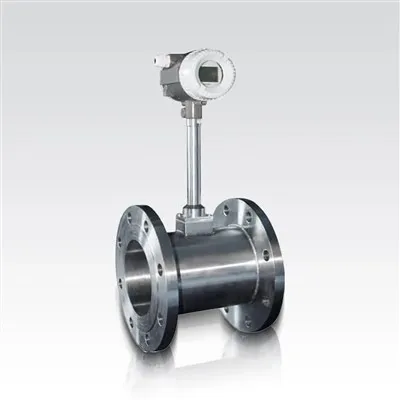
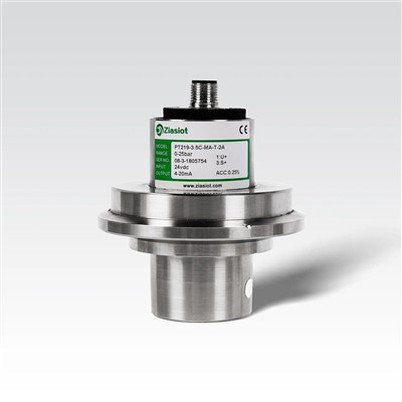
First off, what exactly is a compact pressure transmitter? It's a small - sized device that measures pressure and converts it into an electrical signal. Compactness is its key feature, which makes it easy to install in tight spaces. And in the marine world, space is often at a premium.
In marine applications, there are all sorts of pressure - related tasks. For example, in ship engines, accurate pressure measurement is crucial for the proper functioning of fuel injection systems, lubrication systems, and cooling systems. Compact pressure transmitters can fit neatly into these engine compartments where larger transmitters might not be able to squeeze in. They can monitor the pressure of hydraulic fluids, which are used in steering systems and cargo handling equipment.
One of the big advantages of using a compact pressure transmitter in marine applications is its portability. If you need to move the transmitter around for different tests or maintenance, it's much easier to handle compared to bulkier models. You can quickly transfer it from one part of the ship to another without a lot of hassle.
But, the marine environment is no walk in the park. It's a harsh place with high humidity, saltwater exposure, and extreme temperature variations. So, can a compact pressure transmitter stand up to these challenges?
Well, many modern compact pressure transmitters are built with rugged materials. They have protective coatings that can resist corrosion from saltwater. For instance, some are made with stainless - steel housings, which are highly resistant to rust and corrosion. This means they can last a long time even when constantly exposed to the salty sea air.
When it comes to temperature, these transmitters are also designed to work in a wide range. Whether it's a sweltering day in the tropics or a freezing night in the polar regions, they can still provide accurate pressure readings. However, if you're dealing with extremely high temperatures, you might want to consider our High Temperature Pressure Transmitter. It's specifically engineered to handle those extra - hot situations.
Another important aspect in marine applications is safety. In some areas of a ship, there's a risk of explosion, especially in areas where flammable gases might be present. That's where our Explosion Proof Pressure Transmitter comes in handy. It's designed to prevent any sparks or heat from the transmitter from igniting the surrounding gases, ensuring the safety of the crew and the ship.
There are also different types of pressure measurements in the marine world. Sometimes you need to measure absolute pressure, like when you're dealing with the pressure inside a closed tank. For these cases, our Absolute Pressure Transmitter is the way to go. It gives you an accurate reading of the pressure relative to a perfect vacuum.
In terms of installation, compact pressure transmitters are a breeze. You don't need a large team of technicians to install them. A single person can usually handle the job in a relatively short time. They come with simple mounting options, and most of them can be connected to existing monitoring systems with ease.
But, like any piece of equipment, they do require some maintenance. You need to regularly check the seals to make sure there's no water ingress. Also, cleaning the sensors periodically can help maintain their accuracy.
Now, let's talk about the cost - effectiveness. Compact pressure transmitters are generally more affordable than their larger counterparts. This is great news for ship owners and operators who are looking to keep their costs down. You get a high - quality pressure measurement device at a lower price, which is always a win.
In addition, the power consumption of compact pressure transmitters is relatively low. This is important on a ship where power is generated on - board and needs to be used efficiently. Lower power consumption means less strain on the ship's power generators and potentially lower fuel consumption.
When it comes to data transmission, these transmitters can be connected to wireless systems. This allows you to monitor the pressure data from a central control room without the need for a lot of cables running all over the ship. It also makes it easier to integrate the data with other systems on the ship for better overall management.
So, to answer the question: Can a compact pressure transmitter be used in marine applications? The answer is a resounding yes! They offer a great combination of size, performance, and cost - effectiveness. They can handle the harsh marine environment, provide accurate pressure measurements, and are easy to install and maintain.
If you're in the marine industry and are looking for a reliable pressure measurement solution, I'd highly recommend considering our compact pressure transmitters. We have a wide range of models to suit different needs and applications. Whether you're running a small fishing boat or a large cargo ship, we've got you covered.


If you're interested in learning more or want to start a discussion about your specific requirements, don't hesitate to reach out. We're here to help you find the perfect pressure transmitter for your marine applications.
References
- Marine Engineering Handbook: A comprehensive guide on various aspects of ship engineering, including pressure measurement and equipment requirements.
- Pressure Transmitter Manufacturer's Technical Manuals: Provide detailed information on the features, specifications, and applications of compact pressure transmitters.