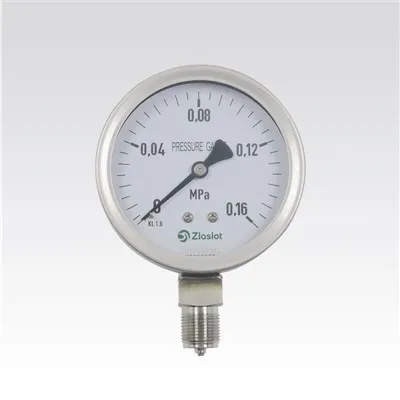
What is the temperature range of a Compact Pressure Transmitter?
Leave a message

Hey there! As a supplier of Compact Pressure Transmitters, I often get asked about the temperature range of these nifty devices. So, I thought I'd sit down and write this blog to clear up any confusion and give you the lowdown on what you can expect.
First off, let's talk about what a Compact Pressure Transmitter is. It's a small but powerful piece of equipment that measures pressure and converts it into an electrical signal. These transmitters are used in a wide range of industries, from manufacturing and automotive to aerospace and healthcare. They're known for their accuracy, reliability, and compact size, which makes them ideal for applications where space is limited.
Now, onto the main topic: the temperature range of a Compact Pressure Transmitter. The temperature range can vary depending on the specific model and the manufacturer. However, most Compact Pressure Transmitters are designed to operate within a certain temperature window to ensure accurate and reliable performance.
Typically, the operating temperature range for a standard Compact Pressure Transmitter is between -20°C and 85°C (-4°F and 185°F). This range allows the transmitter to function properly in a variety of environments, from cold storage facilities to industrial plants with high ambient temperatures. But why is this temperature range so important?
Well, temperature can have a significant impact on the performance of a pressure transmitter. At extremely low temperatures, the electrical components inside the transmitter can become less responsive, leading to inaccurate readings. On the other hand, high temperatures can cause the materials to expand, which can also affect the accuracy of the measurements. That's why it's crucial to choose a transmitter with a temperature range that matches your application's requirements.
But what if you need to use a pressure transmitter in an environment with temperatures outside the standard range? That's where specialized transmitters come in. For example, if you're working in a high-temperature environment, you might want to consider a High Temperature Pressure Transmitter. These transmitters are designed to withstand temperatures up to 150°C (302°F) or even higher, depending on the model.
On the flip side, if you're dealing with extremely cold temperatures, there are also transmitters available that can operate at lower temperatures, down to -40°C (-40°F). These low-temperature transmitters are often used in applications such as cryogenic storage and refrigeration systems.
Another factor to consider is the storage temperature range. Even when the transmitter is not in use, it's important to store it within a certain temperature range to prevent damage to the internal components. The storage temperature range is usually wider than the operating temperature range, typically between -40°C and 125°C (-40°F and 257°F).
It's also worth mentioning that some Compact Pressure Transmitters come with built-in temperature compensation. This feature helps to minimize the effects of temperature variations on the accuracy of the measurements. Temperature compensation works by adjusting the output signal of the transmitter based on the ambient temperature, ensuring that the readings remain accurate even as the temperature changes.


Now, let's take a look at some of the different types of Compact Pressure Transmitters and their temperature ranges.
General-Purpose Compact Pressure Transmitters
These are the most common type of transmitters and are suitable for a wide range of applications. They typically have an operating temperature range of -20°C to 85°C (-4°F to 185°F) and are a great choice for applications where the temperature is relatively stable. You can find a variety of general-purpose Pressure Transmitters on the market, each with its own unique features and specifications.
High-Temperature Compact Pressure Transmitters
As mentioned earlier, high-temperature transmitters are designed to operate in environments with elevated temperatures. They can withstand temperatures up to 150°C (302°F) or higher, making them ideal for applications such as industrial furnaces, hot gas pipelines, and engine testing. The High Temperature Pressure Transmitter is a great example of a transmitter that can handle high temperatures while still providing accurate measurements.
Sanitary Compact Pressure Transmitters
Sanitary transmitters are commonly used in the food and beverage, pharmaceutical, and biotechnology industries. These transmitters are designed to meet strict hygiene standards and are often made with materials that are resistant to corrosion and easy to clean. The Sanitary Flat-Diaphragm Digital Pressure Transmitter is a popular choice for sanitary applications, and it typically has an operating temperature range of -20°C to 85°C (-4°F to 185°F).
When choosing a Compact Pressure Transmitter, it's important to consider not only the temperature range but also other factors such as accuracy, pressure range, output signal, and compatibility with your existing system. It's also a good idea to consult with a technical expert or the manufacturer to ensure that you select the right transmitter for your specific application.
In conclusion, the temperature range of a Compact Pressure Transmitter is an important consideration when choosing a transmitter for your application. By understanding the operating and storage temperature ranges, as well as the available options for different temperature environments, you can make an informed decision and ensure that your pressure measurements are accurate and reliable.
If you're in the market for a Compact Pressure Transmitter and have any questions or need help selecting the right model, don't hesitate to reach out. We're here to assist you with all your pressure measurement needs and can help you find the perfect transmitter for your application. Let's start a conversation and see how we can work together to meet your requirements.
References
- "Pressure Transmitter Handbook" by Instrumentation and Control Engineering.
- Manufacturer's specifications for various Compact Pressure Transmitters.