
What is the signal strength of a Settlement Sensor?
Leave a message

Hey there! As a supplier of Settlement Sensors, I often get asked about the signal strength of these nifty devices. So, let's dive right in and break down what the signal strength of a Settlement Sensor actually means.
First off, what's a Settlement Sensor? Well, it's a crucial tool used in various industries, like construction, civil engineering, and geotechnical monitoring. These sensors are designed to measure the settlement or subsidence of structures, soil, or other surfaces over time. Whether it's a building, a bridge, or a piece of infrastructure, Settlement Sensors help us keep tabs on how stable things are.
Now, onto the main topic - signal strength. The signal strength of a Settlement Sensor refers to the power or intensity of the signal it sends out. This signal is what allows the sensor to communicate the data it collects to a monitoring system. Think of it like a radio signal. If the signal is strong, you'll get clear and accurate information. But if it's weak, the data might be spotty or unreliable.
There are a few factors that can affect the signal strength of a Settlement Sensor. One of the biggest factors is the distance between the sensor and the monitoring system. The farther apart they are, the weaker the signal tends to get. It's like trying to have a conversation with someone across a large field - the farther away they are, the harder it is to hear them clearly.
Another factor is interference. There are all sorts of things that can interfere with the sensor's signal, like other electronic devices, metal structures, or even environmental conditions like heavy rain or snow. These interferences can disrupt the signal and make it weaker, which can lead to inaccurate data.


The type of sensor also plays a role in signal strength. Different types of Settlement Sensors use different technologies to transmit their signals, and some are more powerful than others. For example, some sensors use radio frequency (RF) technology, while others use Bluetooth or Wi - Fi. Each of these technologies has its own strengths and weaknesses when it comes to signal strength.
Let's talk about how we measure signal strength. Usually, signal strength is measured in decibels (dB). A higher dB value means a stronger signal. For example, a signal with a strength of - 50 dB is much stronger than a signal with a strength of - 100 dB. When we're installing a Settlement Sensor, we want to make sure the signal strength is strong enough to ensure accurate and reliable data collection.
At our company, we've spent a lot of time researching and developing Settlement Sensors with strong signal strength. We use high - quality components and advanced technologies to ensure that our sensors can transmit their signals clearly, even in challenging environments. We also offer a range of different sensors to suit different applications and requirements.
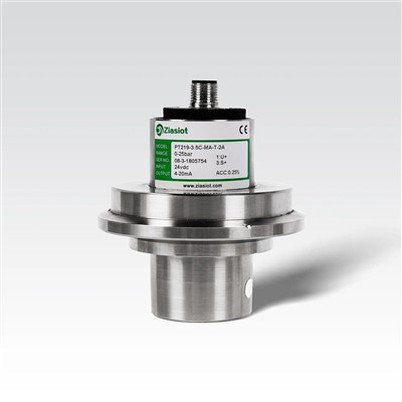
One of our popular products is the Displacement Static Level Meter Settlement Sensor. This sensor is designed to measure settlement with high precision, and it has a strong signal that can be easily picked up by our monitoring systems. It's a great choice for projects where accurate settlement monitoring is crucial.
So, why does signal strength matter? Well, accurate data is essential in any monitoring project. If the signal strength of the Settlement Sensor is weak, the data it collects might be inaccurate or incomplete. This can lead to incorrect decisions being made, which can have serious consequences in industries like construction and engineering. For example, if a building's settlement is not accurately monitored due to a weak - signal sensor, it could lead to structural problems down the line.
When you're choosing a Settlement Sensor, it's important to consider the signal strength. You want to make sure that the sensor you choose can transmit its data reliably, no matter where it's installed. Look for sensors that are designed to have strong signal strength and are resistant to interference.
If you're in the market for a Settlement Sensor, I'd love to have a chat with you. We can discuss your specific needs and requirements and find the perfect sensor for your project. Whether you're working on a small - scale construction project or a large - scale infrastructure development, we've got the expertise and the products to help you get accurate settlement data.
Contact us today to start the conversation. We're here to provide you with the best Settlement Sensors and support to ensure the success of your monitoring project.
References
- "Geotechnical Instrumentation for Monitoring Field Performance" by J. K. Mitchell and K. Soga
- "Structural Health Monitoring: A Machine Learning Perspective" by C. Farrar and K. Worden