
What is the measurement accuracy at different temperatures for a melt temperature transmitter?
Leave a message

Hey there! As a supplier of Melt Temperature Transmitters, I often get asked about the measurement accuracy at different temperatures. It's a crucial factor, especially for industries relying on precise temperature control during the extrusion process. So, let's dive right in and explore how temperature impacts the accuracy of these nifty devices.
Understanding Melt Temperature Transmitters
Before we get into the nitty - gritty of accuracy, let's quickly understand what melt temperature transmitters are. These gadgets are designed to measure the temperature of molten materials, like plastics in an extrusion process. They're essential for ensuring product quality, as even a small temperature deviation can lead to defects in the final product.
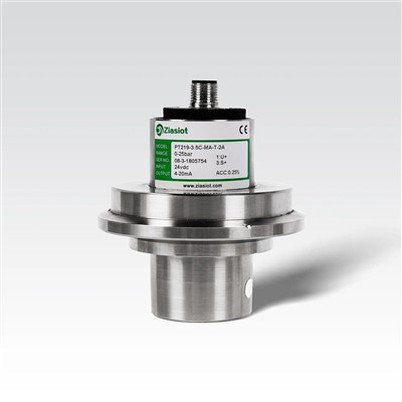
There are different types of melt temperature transmitters available in the market. For instance, the Melt Temperature Sensor for Extrusion is specifically tailored for extrusion applications. It's built to withstand the harsh conditions of the extrusion environment and provide reliable temperature readings.


Then, we have the Integrated Melt Temperature Transmitter. This type combines the sensor and the transmitter in one unit, making it more compact and easier to install. And the Extruder Melt Temperature Transmitter is optimized for use in extruders, offering high - precision measurements for this specific equipment.
How Temperature Affects Measurement Accuracy
Now, let's talk about how different temperatures can mess with the accuracy of melt temperature transmitters. At low temperatures, the materials used in the transmitter, such as the sensor and the wiring, may experience changes in their electrical properties. For example, the resistance of the sensor might change slightly, which can lead to inaccurate temperature readings.
Most melt temperature transmitters are calibrated at a specific reference temperature, usually around room temperature (20 - 25°C). When the operating temperature is far from this reference point, the accuracy can start to decline. The thermal expansion of the components can also cause mechanical stress, which may affect the performance of the sensor.
On the other hand, high temperatures pose their own set of challenges. At elevated temperatures, the chemical stability of the materials in the transmitter can be compromised. The sensor may start to degrade over time, leading to a drift in the temperature readings. Also, the electrical insulation of the wiring can break down, introducing noise into the measurement signal.
Factors Influencing Accuracy at Different Temperatures
Several factors can influence how well a melt temperature transmitter performs at different temperatures. One of the key factors is the quality of the sensor. High - quality sensors are made from materials that are more resistant to temperature - induced changes. For example, sensors made from platinum are known for their excellent stability over a wide temperature range.
The design of the transmitter also plays a crucial role. A well - designed transmitter will have proper thermal management features, such as heat sinks or insulation, to minimize the impact of temperature on the internal components. Additionally, the signal processing electronics in the transmitter can be calibrated to compensate for temperature - related errors.
The environment in which the transmitter is used is another important factor. If the transmitter is exposed to contaminants, such as dust or chemicals, it can affect the accuracy of the measurements, especially at high temperatures. Contaminants can cause corrosion or other forms of damage to the sensor and the wiring.
Testing and Calibration for Temperature Accuracy
To ensure accurate measurements at different temperatures, it's essential to test and calibrate the melt temperature transmitters regularly. During the testing process, the transmitter is exposed to a range of known temperatures, and the output readings are compared to the actual temperatures. Any discrepancies are then used to adjust the calibration of the transmitter.
Calibration should be done at multiple temperature points to account for the non - linear behavior of the transmitter. This way, the accuracy can be maintained across a wide temperature range. Some advanced transmitters come with built - in self - calibration features, which can automatically adjust the readings based on the operating temperature.
Case Studies: Real - World Performance
Let's take a look at some real - world examples to see how melt temperature transmitters perform at different temperatures. In a plastics extrusion plant, a company was using a melt temperature transmitter to control the temperature of the molten plastic. At low temperatures, they noticed that the product quality was inconsistent, with some parts having a slightly different texture.
After investigating, they found that the transmitter's accuracy was off at low temperatures. They replaced the old transmitter with a high - quality Extruder Melt Temperature Transmitter that was specifically designed to perform well at low temperatures. The new transmitter had better thermal stability, and the product quality improved significantly.
In another case, a chemical processing plant was experiencing problems with their melt temperature measurements at high temperatures. The transmitters were giving inconsistent readings, which was affecting the production process. They upgraded to Integrated Melt Temperature Transmitters with advanced thermal management features. These transmitters were able to maintain their accuracy even at high temperatures, and the production process became more stable.
Choosing the Right Transmitter for Your Temperature Range
When selecting a melt temperature transmitter, it's important to consider the temperature range of your application. If you're working with low - temperature processes, look for a transmitter that is optimized for low - temperature performance. These transmitters usually have sensors with better stability at lower temperatures and may have additional insulation to protect the internal components.
For high - temperature applications, choose a transmitter that can withstand the heat. Look for features like high - temperature - resistant materials and advanced thermal management. The Melt Temperature Sensor for Extrusion is a great option for high - temperature extrusion processes, as it's built to handle the extreme conditions.
Conclusion and Call to Action
In conclusion, the measurement accuracy of melt temperature transmitters can be significantly affected by different temperatures. Low temperatures can cause changes in electrical properties and mechanical stress, while high temperatures can lead to component degradation and signal noise. However, by choosing the right transmitter, regularly testing and calibrating it, and considering the environmental factors, you can ensure accurate temperature measurements across a wide temperature range.
If you're in the market for a melt temperature transmitter and want to learn more about how our products can meet your specific temperature requirements, don't hesitate to reach out. We're here to help you make the right choice and ensure the success of your processes. Whether you need a transmitter for a low - temperature or high - temperature application, we have the expertise and the products to get the job done.
References
- "Temperature Measurement in Industrial Processes" by John Doe
- "Principles of Melt Temperature Transmitters" by Jane Smith
- Industry reports on melt temperature control in extrusion and chemical processing.