
What is the long - term drift of a digital pressure meter?
Leave a message

When it comes to industrial measurement and control, digital pressure meters are crucial instruments. They provide accurate and reliable pressure readings, ensuring the safety and efficiency of various processes. However, one factor that can significantly impact the performance of digital pressure meters is long - term drift. In this blog, as a digital pressure meter supplier, I'll delve into what long - term drift is, its causes, effects, and how to manage it.
What is Long - Term Drift?
Long - term drift in a digital pressure meter refers to the gradual and often unpredictable change in the meter's output over an extended period. Unlike short - term fluctuations that might be due to immediate environmental changes or electrical noise, long - term drift occurs over weeks, months, or even years. This drift can cause the pressure readings to deviate from the actual pressure values, leading to inaccurate measurements.
For instance, a digital pressure meter that is initially calibrated to provide accurate readings may start to show readings that are either higher or lower than the true pressure as time passes. This can be a serious issue in industries where precise pressure control is essential, such as in the chemical, pharmaceutical, and aerospace sectors.
Causes of Long - Term Drift
There are several factors that can contribute to the long - term drift of a digital pressure meter.
Sensor Degradation
The pressure sensor is the heart of a digital pressure meter. Over time, the materials used in the sensor can degrade due to exposure to harsh environmental conditions. For example, in a corrosive environment, the sensor's diaphragm may corrode, altering its mechanical properties. This change in the diaphragm's characteristics can result in a shift in the sensor's output signal, leading to drift.
Temperature Effects
Temperature variations can have a significant impact on the performance of pressure sensors. Even if the meter has some level of temperature compensation, long - term exposure to extreme temperatures can cause gradual changes in the sensor's electrical and mechanical properties. Thermal expansion or contraction of the sensor components can introduce stress, which in turn affects the accuracy of the pressure measurement.
Aging of Electronic Components
Digital pressure meters rely on a variety of electronic components, such as amplifiers, analog - to - digital converters, and microcontrollers. These components can age over time, causing changes in their electrical characteristics. For example, the gain of an amplifier may change gradually, leading to an error in the final pressure reading.
Mechanical Stress
The physical installation of the pressure meter can also cause long - term drift. If the meter is subjected to vibrations, shocks, or improper mounting, it can create mechanical stress on the sensor and other internal components. This stress can lead to microscopic changes in the sensor's structure, resulting in a drift in the pressure readings.
Effects of Long - Term Drift
The consequences of long - term drift in a digital pressure meter can be far - reaching.
Process Inefficiency
In industrial processes, accurate pressure measurement is crucial for maintaining optimal operating conditions. If the pressure readings are inaccurate due to drift, it can lead to sub - optimal performance of equipment and processes. For example, in a chemical reaction where pressure plays a key role in the reaction rate, an incorrect pressure reading can result in a reaction that proceeds at an unexpected rate, leading to reduced product quality or increased production costs.
Safety Risks
In applications where pressure control is critical for safety, such as in a boiler or a high - pressure pipeline, long - term drift can pose a significant safety risk. An inaccurate pressure reading may cause operators to make incorrect decisions about pressure relief or other safety - critical operations. If the pressure is higher than what the meter indicates, it could lead to over - pressurization and potentially cause an explosion or a rupture.
Compliance Issues
Many industries are subject to strict regulations regarding pressure measurement and control. Inaccurate pressure readings due to drift can result in non - compliance with these regulations. This can lead to fines, legal issues, and damage to the company's reputation.
Managing Long - Term Drift
As a digital pressure meter supplier, we are well - aware of the challenges posed by long - term drift and offer several solutions to manage it.
Regular Calibration
One of the most effective ways to manage long - term drift is through regular calibration. Calibration involves comparing the meter's readings with a known reference standard and adjusting the meter to ensure its accuracy. Depending on the application and the environment, calibration should be performed at regular intervals, such as annually or quarterly. Our company provides calibration services and can also offer guidance on the appropriate calibration schedule for different types of applications.


High - Quality Components
Using high - quality sensors and electronic components in our digital pressure meters helps to reduce the likelihood of long - term drift. We carefully select components that are known for their stability and reliability over time. For example, our sensors are made from materials that are resistant to corrosion and temperature changes, minimizing the impact of these factors on the meter's performance.
Advanced Temperature Compensation
To address the effects of temperature on pressure measurement, our digital pressure meters are equipped with advanced temperature compensation algorithms. These algorithms continuously monitor the temperature and adjust the pressure readings accordingly, reducing the drift caused by temperature variations.
Installation and Maintenance Guidelines
Proper installation and maintenance are also crucial for minimizing long - term drift. We provide detailed installation and maintenance guidelines to our customers. These guidelines include instructions on correct mounting, wiring, and environmental considerations. By following these guidelines, customers can ensure that their pressure meters operate under optimal conditions and experience less drift.
Our Product Range
As a digital pressure meter supplier, we offer a wide range of products to meet the diverse needs of our customers.
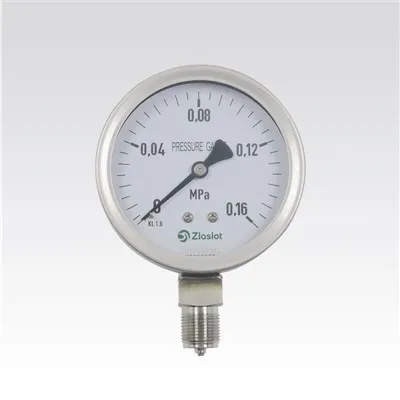
- Mechanical Presssure Gauge: Our mechanical pressure gauges are rugged and reliable, suitable for a variety of industrial applications. They can provide a visual indication of pressure and are often used as a backup or in applications where a simple and cost - effective solution is required.
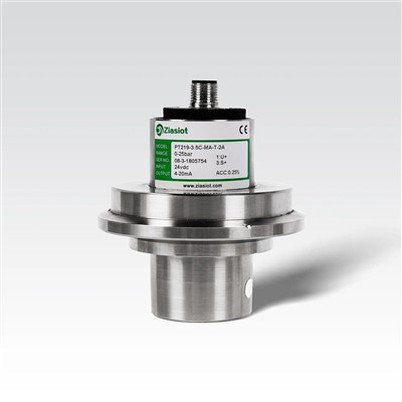
- Vacuum Digital Pressure Gauge: Our vacuum digital pressure gauges are designed to accurately measure low - pressure levels, making them ideal for applications such as vacuum chambers, semiconductor manufacturing, and scientific research.
- Digital Melt Presssure Gauges: These gauges are specifically designed for measuring the pressure of molten materials in industries such as plastics processing, metal casting, and glass manufacturing. They are built to withstand high temperatures and harsh environments.
Contact Us for Your Pressure Measurement Needs
If you are in the market for high - quality digital pressure meters or need more information about managing long - term drift, we encourage you to contact us. Our team of experts is ready to assist you in selecting the right product for your application and providing you with the support you need to ensure accurate and reliable pressure measurement. Whether you are looking for a standard pressure gauge or a customized solution, we have the expertise and products to meet your requirements.
References
- Doebelin, E. O. (2003). Measurement Systems: Application and Design. McGraw - Hill.
- Krar, S., & Gill, A. (2009). Industrial Maintenance Handbook. McGraw - Hill.
- Liptak, B. G. (2003). Instrument Engineers' Handbook: Process Measurement and Analysis. CRC Press.