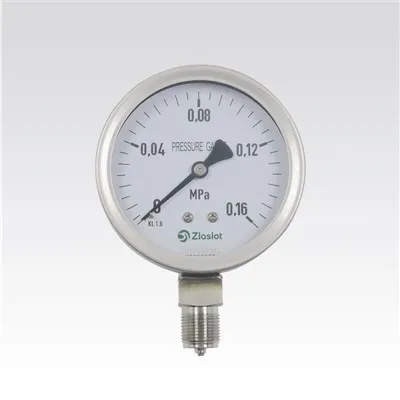

How to select a pressure switch for vacuum applications?
Leave a message

Selecting a pressure switch for vacuum applications is a critical decision that can significantly impact the efficiency, safety, and performance of your system. As a trusted pressure switch supplier, we understand the complexities involved in this process and are here to guide you through the essential considerations.
Understanding Vacuum Pressure Applications
Before delving into the selection process, it's crucial to understand the specific requirements of vacuum pressure applications. Vacuum systems are used in a wide range of industries, including manufacturing, healthcare, and research. These applications typically involve the removal of air or gas from a sealed environment to create a low-pressure condition.
The level of vacuum required can vary depending on the application. For example, some processes may only need a partial vacuum, while others may require a high or ultra-high vacuum. Understanding the desired vacuum level is the first step in selecting the appropriate pressure switch.
Key Considerations When Selecting a Pressure Switch for Vacuum Applications
Pressure Range
The pressure range of the switch is perhaps the most critical factor to consider. It should be capable of accurately measuring and controlling the vacuum pressure within the specific range required for your application. Choosing a switch with a too narrow range may lead to inaccurate readings or premature failure, while a switch with a too wide range may lack the necessary precision.
Accuracy
Accuracy is essential for ensuring the proper operation of your vacuum system. A high-accuracy pressure switch can provide reliable and consistent readings, allowing you to maintain precise control over the vacuum level. Look for switches with a low percentage of full-scale accuracy to minimize measurement errors.
Response Time
The response time of the pressure switch refers to how quickly it can detect and respond to changes in pressure. In applications where rapid pressure changes are common, such as in vacuum pumps or high-speed manufacturing processes, a fast response time is crucial. A slow response time can result in delayed control actions and potential system malfunctions.


Material Compatibility
The materials used in the construction of the pressure switch must be compatible with the gases and fluids present in your vacuum system. Some gases or chemicals may be corrosive or reactive, which can damage the switch and affect its performance. Ensure that the switch is made from materials that can withstand the specific environmental conditions of your application.
Electrical Ratings
Consider the electrical ratings of the pressure switch, including the voltage, current, and power requirements. These ratings must be compatible with the electrical system of your vacuum application to ensure safe and reliable operation. Additionally, choose a switch with appropriate electrical connections to facilitate easy installation and integration.
Mounting Options
The mounting options of the pressure switch should be suitable for your application. Common mounting options include panel mounting, pipe mounting, and surface mounting. Select a mounting method that provides easy access for installation, maintenance, and calibration.
Types of Pressure Switches for Vacuum Applications
Mechanical Pressure Switches
Mechanical pressure switches are widely used in vacuum applications due to their simplicity, reliability, and cost-effectiveness. These switches operate based on the mechanical movement of a diaphragm or a bellows in response to changes in pressure. When the pressure reaches a pre-set value, the mechanical movement activates an electrical contact, which can be used to control various devices, such as pumps, valves, or alarms.
Electronic Pressure Switches
Electronic pressure switches offer several advantages over mechanical switches, including higher accuracy, faster response times, and greater flexibility. These switches use electronic sensors to measure pressure and convert it into an electrical signal. The signal is then processed by an electronic circuit to determine if the pressure has reached the setpoint. Electronic pressure switches can be programmed to provide different output signals, such as analog or digital signals, and can also be configured with additional features, such as hysteresis and adjustable setpoints.
Our Product Recommendations
As a leading pressure switch supplier, we offer a wide range of high-quality pressure switches suitable for vacuum applications. Here are some of our recommended products:
- Intelligent Water Air Pneumatic Hydraulic Pump Digital Pressure Switch: This intelligent digital pressure switch is designed for use in water, air, pneumatic, and hydraulic systems. It features high accuracy, fast response times, and a wide pressure range. The switch can be easily programmed and configured using its intuitive digital display.
- Hydraulic Pressure Switch: Our hydraulic pressure switch is specifically designed for use in hydraulic systems. It is built to withstand high pressures and harsh environments, making it ideal for industrial applications. The switch features a reliable mechanical design and offers precise control over the hydraulic pressure.
- Smart Digital Pressure Switch: This smart digital pressure switch combines advanced technology with user-friendly features. It offers high accuracy, adjustable setpoints, and a variety of output options. The switch can also be monitored and controlled remotely using a smartphone or a computer.
Conclusion
Selecting the right pressure switch for vacuum applications requires careful consideration of various factors, including pressure range, accuracy, response time, material compatibility, electrical ratings, and mounting options. By understanding your specific application requirements and choosing a high-quality pressure switch from a trusted supplier, you can ensure the efficient and reliable operation of your vacuum system.
If you have any questions or need further assistance in selecting the appropriate pressure switch for your vacuum application, please do not hesitate to contact us. Our team of experts is here to provide you with the personalized advice and support you need to make the best decision for your business.
References
- [1] "Pressure Switch Handbook," Instrumentation Tools.
- [2] "Vacuum Technology Basics," Leybold Vacuum.
- [3] "Selecting the Right Pressure Switch," Omega Engineering.