
What is the influence of pressure waves on MEMS pressure transmitters?
Leave a message

In the realm of industrial instrumentation, MEMS (Micro-Electro-Mechanical Systems) pressure transmitters have emerged as a cornerstone technology, offering high precision, compact size, and excellent reliability. As a leading supplier of MEMS pressure transmitters, I've witnessed firsthand the transformative impact these devices have on various industries, from automotive and aerospace to healthcare and environmental monitoring. However, one aspect that often goes under the radar but can significantly affect the performance of MEMS pressure transmitters is the influence of pressure waves.
Understanding Pressure Waves
Pressure waves are disturbances that propagate through a medium, such as air or liquid, due to changes in pressure. These waves can be generated by a variety of sources, including explosions, mechanical vibrations, fluid flow fluctuations, and acoustic emissions. In industrial settings, pressure waves can be particularly prevalent in applications involving high - speed fluid flow, such as in pipelines, pumps, and compressors.
The characteristics of pressure waves, such as amplitude, frequency, and duration, can vary widely depending on their source. For instance, a sudden explosion can generate a high - amplitude, short - duration pressure wave, while a vibrating machine may produce a continuous, low - amplitude pressure wave with a specific frequency.

How Pressure Waves Affect MEMS Pressure Transmitters
Mechanical Stress
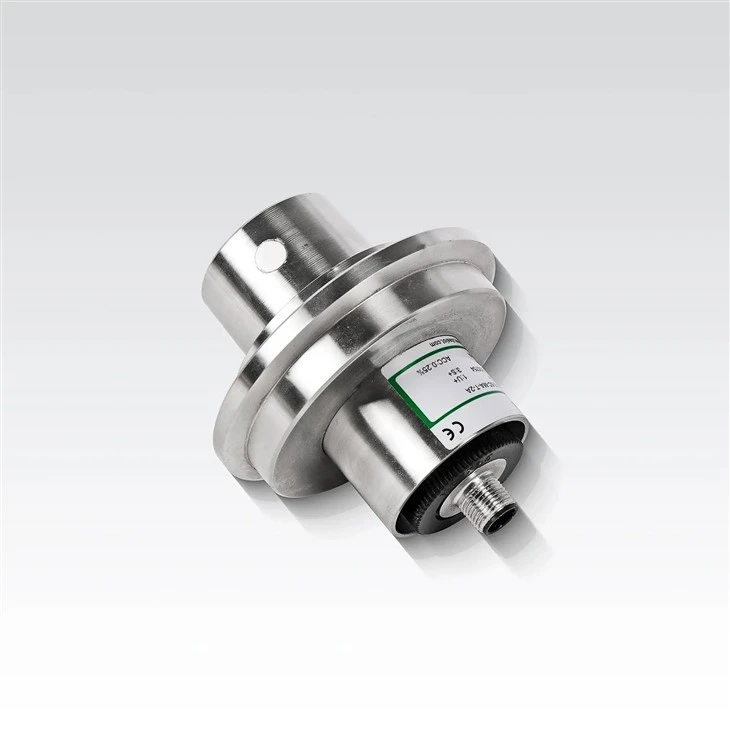
MEMS pressure transmitters typically consist of a sensing element, usually a thin diaphragm, which deforms in response to changes in pressure. When a pressure wave hits the diaphragm, it subjects the diaphragm to mechanical stress. High - amplitude pressure waves can cause excessive deformation of the diaphragm, which may lead to mechanical failure over time. This is especially true if the pressure wave frequency is close to the natural frequency of the diaphragm, as resonance can occur, amplifying the deformation and increasing the risk of damage.
Signal Distortion
Pressure waves can also cause signal distortion in MEMS pressure transmitters. The rapid changes in pressure associated with pressure waves can result in transient electrical signals from the sensing element. These transient signals may not accurately represent the actual static pressure being measured, leading to errors in the output signal of the pressure transmitter. In some cases, the signal distortion can be so severe that it becomes difficult to distinguish the true pressure value from the noise caused by the pressure wave.
Temperature Effects
Pressure waves can generate heat through a process known as adiabatic compression and expansion. When a pressure wave compresses the medium around the MEMS pressure transmitter, the temperature of the medium increases. Conversely, when the pressure wave expands, the temperature decreases. These temperature fluctuations can affect the performance of the MEMS pressure transmitter, as the electrical properties of the sensing element are temperature - dependent. For example, changes in temperature can cause shifts in the zero point and sensitivity of the pressure transmitter, leading to measurement errors.
Mitigating the Influence of Pressure Waves
Design Optimization
One way to mitigate the influence of pressure waves is through design optimization of the MEMS pressure transmitter. This can involve using materials with high mechanical strength for the diaphragm to withstand the mechanical stress caused by pressure waves. Additionally, the geometry of the diaphragm can be optimized to reduce the risk of resonance. For example, a diaphragm with a non - uniform thickness or shape can have a broader natural frequency range, making it less likely to resonate with the pressure wave frequency.
Signal Processing
Advanced signal processing techniques can also be employed to reduce the impact of pressure wave - induced signal distortion. Digital filtering algorithms can be used to remove the high - frequency components of the signal associated with pressure waves, while still preserving the low - frequency components that represent the actual static pressure. In some cases, multi - sensor fusion techniques can be used, where data from multiple pressure sensors are combined to improve the accuracy of the pressure measurement.
Isolation and Damping
Physical isolation and damping methods can be used to protect the MEMS pressure transmitter from pressure waves. For example, a pressure - isolating chamber can be installed between the pressure source and the pressure transmitter. This chamber can act as a buffer, absorbing and dissipating the energy of the pressure wave before it reaches the sensing element. Damping materials, such as rubber or foam, can also be used to reduce the mechanical vibrations caused by pressure waves.
Real - World Applications and Considerations
In many industrial applications, the presence of pressure waves is an unavoidable reality. For example, in the oil and gas industry, pressure waves can be generated during the operation of pipelines, pumps, and valves. In the aerospace industry, pressure waves are common during takeoff, landing, and flight maneuvers. In these applications, it is crucial to carefully consider the influence of pressure waves on MEMS pressure transmitters.
In the case of shield tunneling machines, the operation involves high - pressure fluid systems and mechanical vibrations, which can generate significant pressure waves. Our MEMS Pressure Sensor for Shield Tunneling Machine is designed to withstand these harsh conditions. It incorporates advanced design features and signal processing algorithms to minimize the impact of pressure waves and ensure accurate and reliable pressure measurement.
Conclusion
As a supplier of MEMS pressure transmitters, I understand the importance of addressing the influence of pressure waves on these devices. By understanding the mechanisms through which pressure waves affect MEMS pressure transmitters and implementing appropriate mitigation strategies, we can ensure that our products deliver accurate and reliable performance in even the most challenging environments.
If you are in need of high - quality MEMS pressure transmitters that can withstand the influence of pressure waves, we invite you to contact us for procurement and further discussion. Our team of experts is ready to assist you in selecting the right product for your specific application.
References
- Smith, J. (2018). MEMS Pressure Sensor Technology: Principles and Applications. Springer.
- Johnson, R. (2019). Pressure Wave Propagation in Fluid Systems. Elsevier.
- Brown, A. (2020). Signal Processing for Sensor Systems. Wiley.