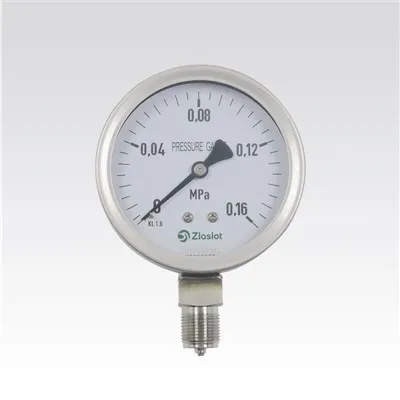

What is the hysteresis of MEMS pressure transmitters?
Leave a message

As a seasoned supplier of MEMS pressure transmitters, I've witnessed quite a bit in the industry. One concept that often comes up in discussions with customers and across various forums is the hysteresis of MEMS pressure transmitters. Today, I'd like to delve deep into this topic to help you gain a better understanding of what hysteresis is and why it matters in the world of MEMS pressure transmitters.
Understanding MEMS Pressure Transmitters
Before we jump into hysteresis, let's briefly touch on what MEMS pressure transmitters are. MEMS, which stands for Micro - Electro - Mechanical Systems, are tiny devices that combine mechanical and electrical components on a microscopic scale. MEMS pressure transmitters use this technology to measure pressure and convert it into an electrical signal.
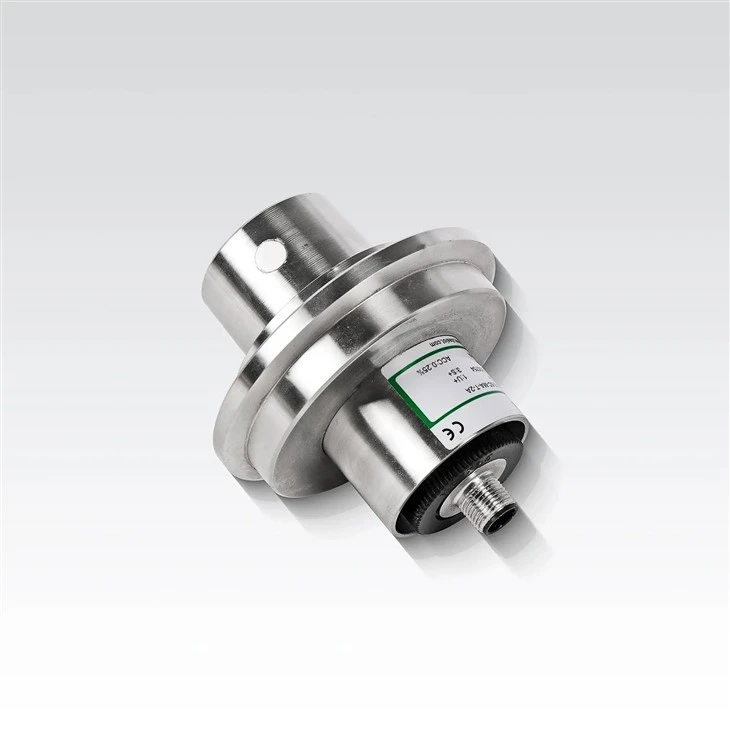
They are highly popular in various industries due to their small size, high accuracy, low cost, and high reliability. Applications range from automotive and aerospace to medical and industrial automation. For instance, in the tunneling industry, MEMS Pressure Sensor for Shield Tunneling Machine plays a crucial role in monitoring the pressure in the shield tunneling process to ensure safety and efficiency.
What is Hysteresis?
Hysteresis is a phenomenon where the output of a system depends not only on its current input but also on its past inputs. In the context of MEMS pressure transmitters, hysteresis refers to the difference in the output signal when the same pressure is applied but under different load histories - one when the pressure is increasing and another when the pressure is decreasing.
Imagine you have a MEMS pressure transmitter that you're using to measure the pressure in a closed container. You start increasing the pressure gradually. As the pressure goes up, the transmitter records a certain output signal corresponding to each pressure level. Now, when you start decreasing the pressure back to its original value, you might find that the output signal from the transmitter doesn't exactly match the values it showed when the pressure was increasing at the same pressure points. This difference is what we call hysteresis.
Causes of Hysteresis in MEMS Pressure Transmitters
There are several factors that can cause hysteresis in MEMS pressure transmitters:
Material Properties
The materials used in the construction of the MEMS pressure sensor play a significant role. Most MEMS pressure sensors are made of silicon or other semiconductor materials. These materials can exhibit hysteresis due to their internal atomic or molecular structures. For example, when a stress is applied to the silicon diaphragm (a key component in a MEMS pressure sensor) during pressure changes, the atomic bonds within the silicon can deform. These deformations might not fully recover when the stress is removed, leading to a difference in the sensor's response between the increasing and decreasing pressure cycles.

Mechanical Design
The mechanical design of the MEMS pressure transmitter can also contribute to hysteresis. If the sensor's diaphragm is not properly designed or if there are any mechanical constraints or non - linearities in the structure, it can cause the diaphragm to respond differently during increasing and decreasing pressure. For instance, if there is a small amount of friction between moving parts within the sensor, it can affect the diaphragm's movement and thereby cause hysteresis.
Environmental Factors
External environmental factors such as temperature and humidity can have an impact on hysteresis. Temperature changes can cause the materials in the MEMS pressure transmitter to expand or contract, which can alter the sensor's mechanical properties. High humidity levels can also introduce moisture into the sensor, which can change the electrical and mechanical characteristics of the device. These environmental effects can lead to discrepancies in the sensor's output between increasing and decreasing pressure scenarios.
Measuring Hysteresis
To measure the hysteresis of a MEMS pressure transmitter, a standard test procedure is usually followed. The pressure is applied to the sensor in a step - wise manner, first in an increasing direction and then in a decreasing direction. The output signal of the transmitter is recorded at each pressure step.
The hysteresis is then calculated as the maximum difference between the output values obtained during the increasing and decreasing pressure cycles, usually expressed as a percentage of the full - scale output. For example, if the full - scale output of a MEMS pressure transmitter is 10 volts and the maximum difference between the increasing and decreasing pressure output is 0.1 volts, the hysteresis is 1% of the full - scale output.
Importance of Considering Hysteresis in Applications
Hysteresis is an important parameter to consider when selecting a MEMS pressure transmitter for an application. Here are some reasons why:
Accuracy Requirements
In applications where high accuracy is crucial, such as in medical devices for measuring blood pressure or in aerospace applications for altitude sensing, even a small amount of hysteresis can lead to significant errors. A high - hysteresis pressure transmitter might give inconsistent readings, which can compromise the performance and safety of the overall system.
Control Systems
In industrial control systems, where pressure measurements are used to regulate processes, hysteresis can cause instability. If the control system is relying on accurate pressure readings to make decisions, the hysteresis in the pressure transmitter can lead to incorrect control actions. For example, in a chemical process where the pressure needs to be maintained within a certain range, a pressure transmitter with high hysteresis might cause the control system to over - or under - react, leading to process inefficiencies or even safety hazards.
Long - Term Reliability
Over time, the hysteresis of a MEMS pressure transmitter can change due to factors such as material fatigue and environmental degradation. Monitoring the hysteresis of the transmitter can give an indication of its long - term reliability. If the hysteresis starts to increase significantly over time, it might be a sign that the sensor is approaching the end of its useful life and needs to be replaced.
Minimizing Hysteresis in MEMS Pressure Transmitters
As a supplier, we are constantly working on minimizing the hysteresis of our MEMS pressure transmitters. Here are some of the techniques we use:
Material Selection and Treatment
We carefully select high - quality materials with low hysteresis characteristics. Additionally, we perform special treatments on the materials to improve their mechanical and electrical stability. For example, we might anneal the silicon diaphragm to reduce internal stresses and improve its recovery properties after deformation.
Advanced Design
Our engineering team uses advanced design techniques to optimize the mechanical structure of the MEMS pressure sensor. This includes minimizing friction between moving parts and ensuring that the diaphragm has a uniform response to pressure changes. We also use finite element analysis (FEA) software to simulate the behavior of the sensor under different pressure and environmental conditions and make design improvements accordingly.
Calibration
Calibration is an important step in reducing the effects of hysteresis. We perform a comprehensive calibration process on each MEMS pressure transmitter before it leaves our factory. This calibration takes into account the hysteresis characteristics of the sensor and applies appropriate correction factors to the output signal to minimize errors.
Conclusion
Hysteresis is a complex but important concept when it comes to MEMS pressure transmitters. Understanding what it is, what causes it, and how to measure and minimize it is crucial for both suppliers like us and customers who rely on these sensors for their applications.
If you're in the market for high - quality MEMS pressure transmitters with low hysteresis, you've come to the right place. Our team of experts is ready to work with you to understand your specific requirements and provide you with the best solutions. Whether it's for a shield tunneling machine or any other application, we have the products and the knowledge to meet your needs. Don't hesitate to reach out to us for more information and to start a discussion about your procurement needs.
References
- Kovacs, G. T. A. (1998). Micromachined Transducers Sourcebook. McGraw - Hill.
- Madou, M. J. (2002). Fundamentals of Microfabrication: The Science of Miniaturization. CRC Press.
- Nahavandi, S. (Ed.). (2014). Handbook of Multi - Sensor Data Fusion: Theory and Practice. CRC Press.