
What is the effect of barometric pressure on MEMS pressure transmitters?
Leave a message

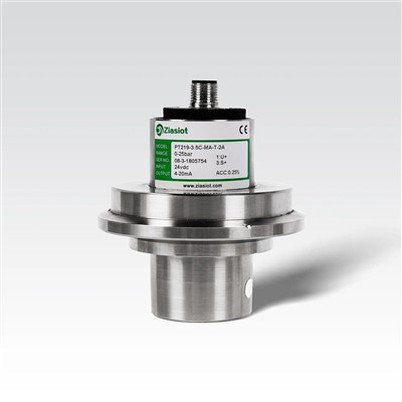
Barometric pressure, a fundamental aspect of our atmospheric environment, plays a crucial role in various scientific and industrial applications. As a provider of MEMS (Micro-Electro-Mechanical Systems) pressure transmitters, I've witnessed firsthand the significant impact barometric pressure can have on these precision instruments. In this blog, I'll delve into the effects of barometric pressure on MEMS pressure transmitters, exploring how it influences their performance, accuracy, and overall functionality.
Understanding MEMS Pressure Transmitters
Before we dive into the effects of barometric pressure, let's briefly understand what MEMS pressure transmitters are. MEMS pressure transmitters are compact, highly sensitive devices that convert pressure into an electrical signal. They are widely used in a range of industries, including automotive, aerospace, medical, and industrial automation, due to their small size, low power consumption, and high accuracy.
The core of a MEMS pressure transmitter is a microfabricated pressure sensor, which typically consists of a thin diaphragm that deflects under the influence of pressure. This deflection is then converted into an electrical signal using various transduction mechanisms, such as piezoresistive or capacitive sensing. The electrical signal is then processed and amplified to provide a measurable output that corresponds to the applied pressure.
How Barometric Pressure Affects MEMS Pressure Transmitters
Barometric pressure, also known as atmospheric pressure, is the force exerted by the weight of the atmosphere on a given surface. It varies with altitude, weather conditions, and geographical location, and can have a significant impact on the performance of MEMS pressure transmitters. Here are some of the key ways barometric pressure affects these devices:

1. Zero Offset and Span Drift
One of the most common effects of barometric pressure on MEMS pressure transmitters is zero offset and span drift. Zero offset refers to the deviation of the output signal from its expected value when no pressure is applied, while span drift refers to the change in the output signal range over time.
Barometric pressure changes can cause the diaphragm of the MEMS pressure sensor to deflect slightly, even when no external pressure is applied. This can result in a non-zero output signal, leading to zero offset. Similarly, changes in barometric pressure can also affect the stiffness of the diaphragm, causing the output signal range to change over time, resulting in span drift.
2. Accuracy and Precision
Barometric pressure variations can also affect the accuracy and precision of MEMS pressure transmitters. Accuracy refers to how close the measured value is to the true value, while precision refers to the repeatability of the measurements.
When barometric pressure changes, the output signal of the MEMS pressure transmitter may deviate from the true value, leading to reduced accuracy. Additionally, the repeatability of the measurements may also be affected, resulting in reduced precision. This can be particularly problematic in applications where high accuracy and precision are required, such as in medical devices or aerospace systems.
3. Overpressure and Underpressure Protection
MEMS pressure transmitters are designed to operate within a specific pressure range. Barometric pressure changes can cause the pressure inside the device to exceed or fall below this range, leading to overpressure or underpressure conditions.
Overpressure can cause the diaphragm of the MEMS pressure sensor to deform permanently, resulting in damage to the device. Underpressure, on the other hand, can cause the diaphragm to collapse, also leading to damage. To protect against these conditions, MEMS pressure transmitters are typically equipped with overpressure and underpressure protection mechanisms, such as pressure relief valves or stop pins.
4. Environmental Compatibility
Barometric pressure changes are often accompanied by changes in other environmental factors, such as temperature and humidity. These factors can also affect the performance of MEMS pressure transmitters, making it important to ensure that the devices are environmentally compatible.
For example, changes in temperature can cause the diaphragm of the MEMS pressure sensor to expand or contract, leading to changes in its stiffness and sensitivity. Similarly, changes in humidity can cause the electrical properties of the sensor to change, affecting its output signal. To mitigate these effects, MEMS pressure transmitters are often designed with temperature and humidity compensation circuits.
Mitigating the Effects of Barometric Pressure
While barometric pressure can have a significant impact on the performance of MEMS pressure transmitters, there are several strategies that can be employed to mitigate these effects. Here are some of the most common approaches:
1. Calibration
Calibration is the process of adjusting the output signal of a MEMS pressure transmitter to ensure that it accurately reflects the applied pressure. By calibrating the device at regular intervals, it is possible to compensate for zero offset and span drift caused by barometric pressure changes.
Calibration typically involves applying a known pressure to the device and adjusting its output signal until it matches the expected value. This process can be performed using specialized calibration equipment, such as pressure calibrators or deadweight testers.
2. Compensation Algorithms
Another approach to mitigating the effects of barometric pressure is to use compensation algorithms. These algorithms are designed to analyze the output signal of the MEMS pressure transmitter and adjust it based on the measured barometric pressure.
Compensation algorithms can be implemented in software or hardware, depending on the specific requirements of the application. They can be used to correct for zero offset, span drift, and other errors caused by barometric pressure changes, improving the accuracy and precision of the device.
3. Environmental Sealing
To protect MEMS pressure transmitters from the effects of barometric pressure changes and other environmental factors, it is important to ensure that they are properly sealed. Environmental sealing can prevent moisture, dust, and other contaminants from entering the device, reducing the risk of damage and improving its reliability.
Environmental sealing can be achieved using various techniques, such as potting, encapsulation, or hermetic sealing. The choice of sealing method depends on the specific requirements of the application, such as the operating environment, the level of protection required, and the cost.
4. Selection of Appropriate Pressure Ranges
When selecting a MEMS pressure transmitter, it is important to choose a device with an appropriate pressure range. The pressure range should be selected based on the maximum and minimum pressures that the device is expected to encounter in the application.
By choosing a device with a pressure range that is appropriate for the application, it is possible to reduce the risk of overpressure and underpressure conditions, improving the reliability and longevity of the device.
Applications of MEMS Pressure Transmitters in Different Barometric Conditions
Despite the challenges posed by barometric pressure changes, MEMS pressure transmitters are widely used in a range of applications that operate in different barometric conditions. Here are some examples:
1. Aerospace
In the aerospace industry, MEMS pressure transmitters are used to measure the pressure of various fluids and gases, such as fuel, hydraulic fluid, and air. These devices are often exposed to extreme barometric pressure changes during flight, as the aircraft climbs and descends through different altitudes.
To ensure accurate and reliable measurements, MEMS pressure transmitters used in aerospace applications are typically designed with high precision and stability, and are equipped with advanced compensation algorithms to correct for the effects of barometric pressure changes.
2. Automotive
In the automotive industry, MEMS pressure transmitters are used to measure the pressure of various fluids and gases, such as engine oil, coolant, and tire pressure. These devices are often exposed to barometric pressure changes as the vehicle moves through different altitudes and weather conditions.
To ensure accurate and reliable measurements, MEMS pressure transmitters used in automotive applications are typically designed with high durability and reliability, and are equipped with compensation algorithms to correct for the effects of barometric pressure changes.
3. Medical
In the medical industry, MEMS pressure transmitters are used to measure the pressure of various fluids and gases, such as blood pressure, respiratory pressure, and intracranial pressure. These devices are often exposed to barometric pressure changes as the patient moves through different altitudes and weather conditions.
To ensure accurate and reliable measurements, MEMS pressure transmitters used in medical applications are typically designed with high precision and accuracy, and are equipped with advanced compensation algorithms to correct for the effects of barometric pressure changes.
Conclusion
Barometric pressure is a fundamental aspect of our atmospheric environment that can have a significant impact on the performance of MEMS pressure transmitters. By understanding the effects of barometric pressure on these devices and implementing appropriate mitigation strategies, it is possible to ensure accurate and reliable measurements in a range of applications.
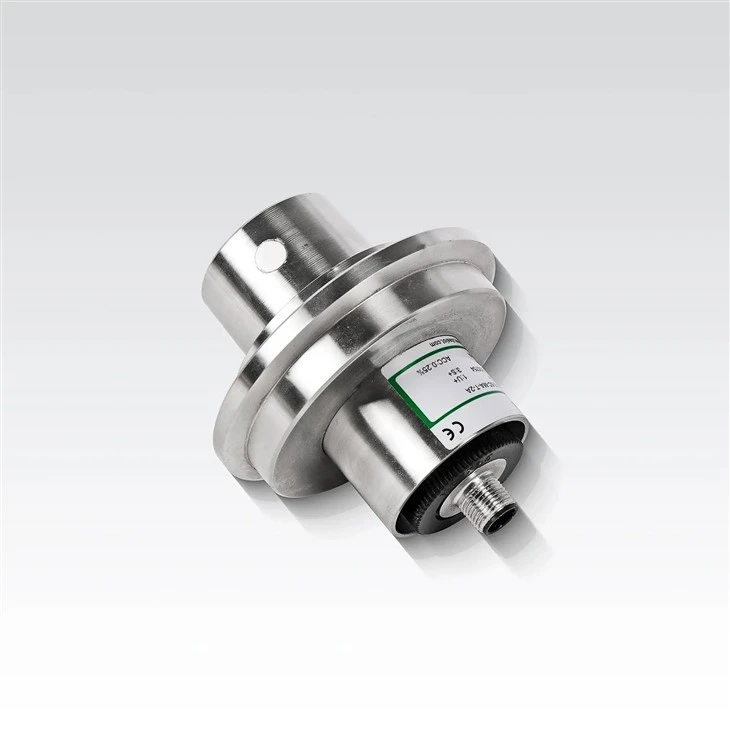
As a provider of MEMS pressure transmitters, we are committed to developing high-quality products that are designed to perform reliably in different barometric conditions. Our MEMS Pressure Sensor for Shield Tunneling Machine is a prime example of our dedication to innovation and excellence.
If you are interested in learning more about our MEMS pressure transmitters or would like to discuss your specific application requirements, please feel free to contact us. We look forward to the opportunity to work with you and provide you with the best possible solutions for your pressure measurement needs.
References
- Smith, J. (2018). MEMS Pressure Sensors: Principles, Design, and Applications. Springer.
- Wang, Y., & Li, X. (2019). Effects of Barometric Pressure on MEMS Pressure Sensors and Compensation Methods. Sensors, 19(1), 13.
- Zhang, H., & Chen, Y. (2020). Design and Optimization of MEMS Pressure Transmitters for High-Precision Applications. Journal of Micromechanics and Microengineering, 30(12), 125006.