
What are the typical installation positions for a melt pressure indicator in rubber processing?
Leave a message

As a seasoned supplier of melt pressure indicators, I've witnessed firsthand the critical role these devices play in the rubber processing industry. The accuracy and reliability of melt pressure measurement are paramount for ensuring the quality and consistency of rubber products. One of the key factors that determine the effectiveness of a melt pressure indicator is its installation position. In this blog post, I'll explore the typical installation positions for a melt pressure indicator in rubber processing and discuss the considerations for each location.
1. Extruder Barrel
The extruder barrel is one of the most common locations for installing a melt pressure indicator in rubber processing. The extruder is a key piece of equipment in the rubber manufacturing process, where raw rubber materials are melted, mixed, and shaped into the desired form. Measuring the melt pressure at the extruder barrel provides valuable information about the flow characteristics of the rubber melt and the performance of the extruder.
Advantages
- Real - time process monitoring: By installing the melt pressure indicator at the extruder barrel, operators can continuously monitor the pressure of the rubber melt as it moves through the barrel. This real - time data allows for immediate adjustments to be made to the extruder settings, such as screw speed and temperature, to ensure optimal processing conditions.
- Early detection of issues: Changes in melt pressure can indicate potential problems in the extruder, such as blockages, worn screws, or improper temperature control. Early detection of these issues can prevent costly downtime and product defects.
Considerations
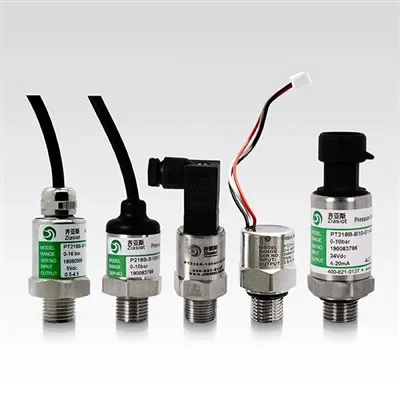
- Temperature and pressure range: The extruder barrel can reach high temperatures and pressures during operation. Therefore, it is essential to select a melt pressure indicator that is designed to withstand these harsh conditions. Our Pressure Indicator is specifically engineered to handle high - temperature and high - pressure environments, making it an ideal choice for extruder barrel installations.
- Installation location: The melt pressure indicator should be installed at a location where it can accurately measure the pressure of the rubber melt. This typically means installing the sensor close to the die or the end of the barrel, where the pressure is most representative of the flow conditions.
2. Die Head
The die head is another important location for installing a melt pressure indicator in rubber processing. The die head is responsible for shaping the rubber melt into the final product, such as a tube, sheet, or profile. Measuring the melt pressure at the die head is crucial for ensuring the dimensional accuracy and quality of the finished product.
Advantages
- Product quality control: The pressure at the die head directly affects the shape and dimensions of the rubber product. By monitoring the melt pressure, operators can make adjustments to the die settings, such as die gap and temperature, to ensure that the product meets the required specifications.
- Optimization of die performance: Maintaining the correct melt pressure at the die head can improve the flow of the rubber melt through the die, reducing the likelihood of die lines, surface defects, and other quality issues.
Considerations
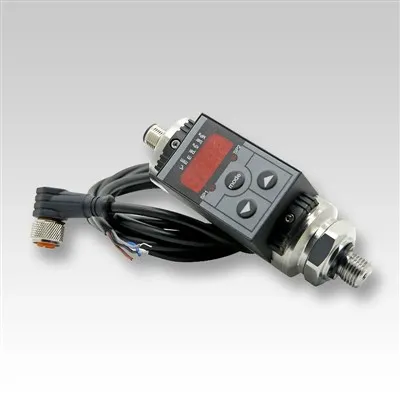
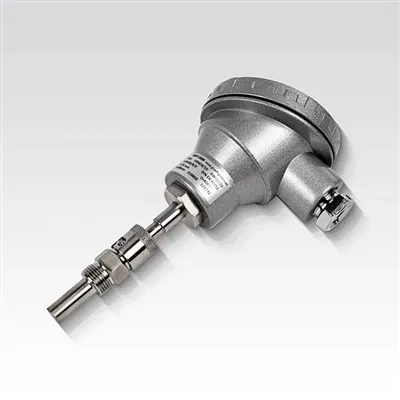
- Flow characteristics: The flow of the rubber melt at the die head can be complex, with variations in pressure and velocity. It is important to select a melt pressure indicator that can accurately measure the pressure in this dynamic environment. Our Pressure Temperature Indicator combines pressure and temperature measurement capabilities, providing a more comprehensive understanding of the process conditions at the die head.
- Cleaning and maintenance: The die head is often exposed to the rubber melt, which can cause build - up and contamination over time. The melt pressure indicator should be installed in a location that allows for easy cleaning and maintenance to ensure accurate measurement.
3. Injection Molding Machine
Injection molding is a widely used process in the rubber industry for producing complex - shaped parts. Installing a melt pressure indicator in an injection molding machine can provide valuable insights into the molding process and help improve the quality of the molded parts.
Advantages
- Process optimization: Measuring the melt pressure during the injection phase can help optimize the injection speed, pressure, and time. This ensures that the rubber melt fills the mold cavity completely and evenly, reducing the risk of short shots, flash, and other molding defects.
- Quality assurance: Consistent melt pressure throughout the injection molding process is essential for producing high - quality parts with uniform dimensions and mechanical properties. By monitoring the melt pressure, operators can identify and correct any variations in the process that may affect the part quality.
Considerations
- Cycle time: Injection molding is a high - speed process, and the melt pressure can change rapidly during each cycle. The melt pressure indicator should have a fast response time to accurately capture these pressure changes. Our Homogenizer Digital Pressure Gauge offers a high - speed sampling rate, making it suitable for injection molding applications.
- Mold design: The design of the mold can also affect the melt pressure distribution. It is important to consider the mold geometry and the location of the gate when installing the melt pressure indicator to ensure accurate measurement.
4. Mixing Equipment
Mixing is a critical step in rubber processing, where various additives and fillers are incorporated into the raw rubber to achieve the desired properties. Installing a melt pressure indicator in the mixing equipment can help monitor the mixing process and ensure the quality of the rubber compound.


Advantages
- Mixing efficiency: Measuring the melt pressure during mixing can provide information about the viscosity and flowability of the rubber compound. This data can be used to optimize the mixing time, temperature, and rotor speed to ensure thorough mixing and uniform dispersion of the additives.
- Quality control: Consistent melt pressure during mixing is an indication of a well - mixed rubber compound. By monitoring the pressure, operators can detect any variations in the mixing process that may result in inconsistent product quality.
Considerations
- Material compatibility: The mixing equipment can be exposed to a variety of chemicals and additives, which may be corrosive or abrasive. It is important to select a melt pressure indicator that is made from materials that are compatible with the rubber compound and the mixing environment.
- Installation in a dynamic environment: The mixing equipment is in constant motion during operation, which can cause vibrations and mechanical stress. The melt pressure indicator should be installed in a way that can withstand these dynamic forces and still provide accurate measurement.
Conclusion
In conclusion, the installation position of a melt pressure indicator in rubber processing is crucial for accurate measurement and effective process control. Whether it is installed in the extruder barrel, die head, injection molding machine, or mixing equipment, each location offers unique advantages and considerations. As a leading supplier of melt pressure indicators, we are committed to providing high - quality products that are designed to meet the specific needs of the rubber processing industry.
If you are interested in learning more about our melt pressure indicators or have any questions about installation positions, please feel free to contact us. Our team of experts is ready to assist you in selecting the right product for your application and providing guidance on installation and maintenance. Let's work together to improve the efficiency and quality of your rubber processing operations.
References
- "Rubber Processing Technology" by Norman G. Gaylord
- "Handbook of Rubber Technology" by A. Y. Coran