
How to reduce the impact of vibration on the 3051 DP Transmitter?
Leave a message

Vibration is a common yet troublesome issue in industrial environments that can significantly affect the accuracy and longevity of instruments, including the 3051 DP Transmitter. As a supplier of the 3051 DP Transmitter, we understand the challenges posed by vibration and are committed to providing effective solutions to minimize its impact. In this blog, we will explore various strategies and techniques to reduce the influence of vibration on the 3051 DP Transmitter.
Understanding the Impact of Vibration on the 3051 DP Transmitter
Before delving into the solutions, it is crucial to understand how vibration affects the 3051 DP Transmitter. Vibration can cause mechanical stress on the internal components of the transmitter, leading to premature wear and tear. This can result in inaccurate readings, reduced reliability, and even complete failure of the device. Additionally, vibration can introduce electrical noise into the signal, further degrading the measurement accuracy.
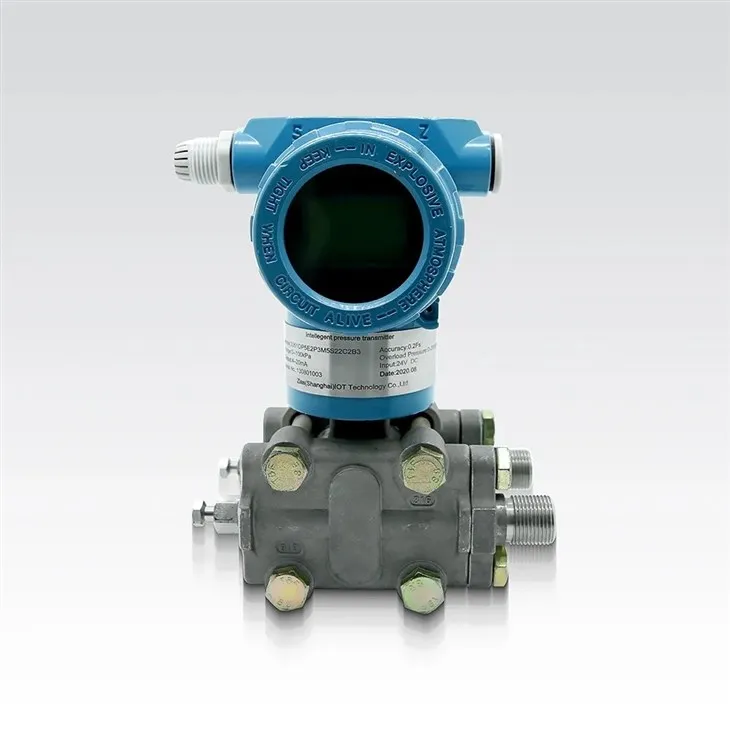
The 3051 DP Transmitter is a highly sensitive instrument designed to measure differential pressure with high precision. Any external vibration can disrupt the delicate balance of the internal sensing elements, leading to errors in the measured differential pressure. These errors can have a significant impact on the overall process control and efficiency, especially in applications where accurate pressure measurement is critical.
Installation Considerations
One of the most effective ways to reduce the impact of vibration on the 3051 DP Transmitter is through proper installation. Here are some key installation considerations:
Mounting Location
Choose a mounting location that is away from sources of vibration, such as pumps, compressors, and motors. If possible, mount the transmitter on a stable structure that is isolated from the vibrating equipment. Avoid mounting the transmitter on flexible pipes or structures that can transmit vibration to the device.
Mounting Brackets
Use high - quality mounting brackets that are designed to provide a rigid and stable connection between the transmitter and the mounting surface. The brackets should be securely fastened to prevent any movement or vibration transfer. Make sure the brackets are properly aligned to ensure that the transmitter is installed in a level position.
Pipe Supports
Properly support the process pipes connected to the transmitter. Use pipe clamps and hangers to reduce the vibration transmitted through the pipes. Ensure that the pipe supports are installed at regular intervals and are tightened securely.
Vibration Isolation Devices
In some cases, despite careful installation, vibration may still reach the 3051 DP Transmitter. In such situations, vibration isolation devices can be used to further reduce the impact of vibration.
Rubber Gaskets
Rubber gaskets can be used between the transmitter and the mounting surface or between the transmitter and the process pipes. The rubber gaskets act as a shock absorber, dampening the vibration before it reaches the transmitter. Make sure to choose gaskets with the appropriate hardness and thickness for the specific application.
Vibration Isolators
There are various types of vibration isolators available in the market, such as spring - type isolators and elastomeric isolators. Spring - type isolators use springs to absorb and isolate vibration, while elastomeric isolators use rubber or other elastomeric materials. These isolators can be installed between the transmitter and the mounting structure to reduce the vibration transfer.
Signal Conditioning and Filtering
Signal conditioning and filtering can also help to reduce the impact of vibration on the 3051 DP Transmitter.
Low - Pass Filters
Low - pass filters can be used to remove high - frequency noise caused by vibration from the signal. These filters allow low - frequency signals (which represent the actual differential pressure) to pass through while blocking high - frequency noise. By using low - pass filters, the measurement accuracy can be improved.

Signal Averaging
Signal averaging is another technique that can be used to reduce the effect of random vibration - induced noise. By taking multiple measurements over a period of time and calculating the average, the random noise can be minimized, resulting in a more accurate measurement.
Regular Maintenance and Inspection
Regular maintenance and inspection of the 3051 DP Transmitter are essential to ensure its continued performance in a vibrating environment.
Component Inspection
Periodically inspect the internal and external components of the transmitter for signs of wear and damage caused by vibration. Check the wiring connections, mounting brackets, and sensing elements for any loose or damaged parts. Replace any worn - out components promptly to prevent further damage.
Calibration
Regularly calibrate the transmitter to ensure its accuracy. Vibration can cause the calibration of the transmitter to drift over time. By performing regular calibrations, any calibration errors can be corrected, and the measurement accuracy can be maintained.
Training and Education
Providing training and education to the end - users is also important. Operators and maintenance personnel should be trained on the proper installation, operation, and maintenance of the 3051 DP Transmitter in a vibrating environment. They should be aware of the potential impact of vibration on the transmitter and the steps they can take to minimize this impact.
Monitoring and Diagnostic Tools
Implementing monitoring and diagnostic tools can help to detect any issues related to vibration early on. Some modern 3051 DP Transmitters are equipped with built - in diagnostic features that can detect abnormal vibration levels. Additionally, external vibration sensors can be installed near the transmitter to monitor the vibration environment. By continuously monitoring the vibration levels, any changes or abnormal conditions can be detected, and appropriate actions can be taken to prevent damage to the transmitter.
Conclusion
Reducing the impact of vibration on the 3051 DP Transmitter is crucial for ensuring accurate pressure measurement and the long - term reliability of the device. By following the installation considerations, using vibration isolation devices, implementing signal conditioning and filtering, performing regular maintenance and inspection, providing training, and using monitoring and diagnostic tools, the negative effects of vibration can be minimized.
As a supplier of the 3051 DP Transmitter, we are dedicated to providing our customers with high - quality products and comprehensive solutions to address the challenges posed by vibration. If you are interested in learning more about our Differential Pressure Transmitter or Diff Pressure Transmitter or DP Sensor, or if you have any questions regarding vibration reduction strategies, please feel free to contact us for a detailed discussion and to explore the best solutions for your specific application. We look forward to assisting you in achieving accurate and reliable pressure measurement in your industrial processes.
References
- "Industrial Instrumentation Handbook", Third Edition, CRC Press
- Manufacturer's documentation for the 3051 DP Transmitter
- Technical papers on vibration isolation and measurement accuracy in industrial sensors