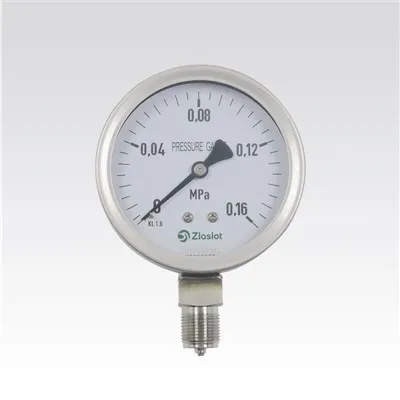

How does the calibration method affect the accuracy of MEMS pressure transmitters?
Leave a message

Hey there! As a supplier of MEMS pressure transmitters, I've seen firsthand the crucial role that calibration methods play in the accuracy of these devices. In this blog post, I'm gonna dive into how different calibration methods can affect the precision of MEMS pressure transmitters and why it matters for you, the customer.
First off, let's briefly talk about what MEMS pressure transmitters are. MEMS stands for Micro-Electro-Mechanical Systems, and these pressure transmitters are tiny devices that can measure pressure accurately. They're used in a wide range of applications, from industrial processes to medical devices. One really cool application is the MEMS Pressure Sensor for Shield Tunneling Machine. In shield tunneling, accurate pressure measurement is essential for maintaining the stability of the tunnel and ensuring the safety of the workers.
Now, let's get into calibration. Calibration is the process of adjusting a measuring instrument so that it provides results that are as accurate as possible. For MEMS pressure transmitters, calibration is super important because even a small error in pressure measurement can lead to big problems in the applications they're used in.

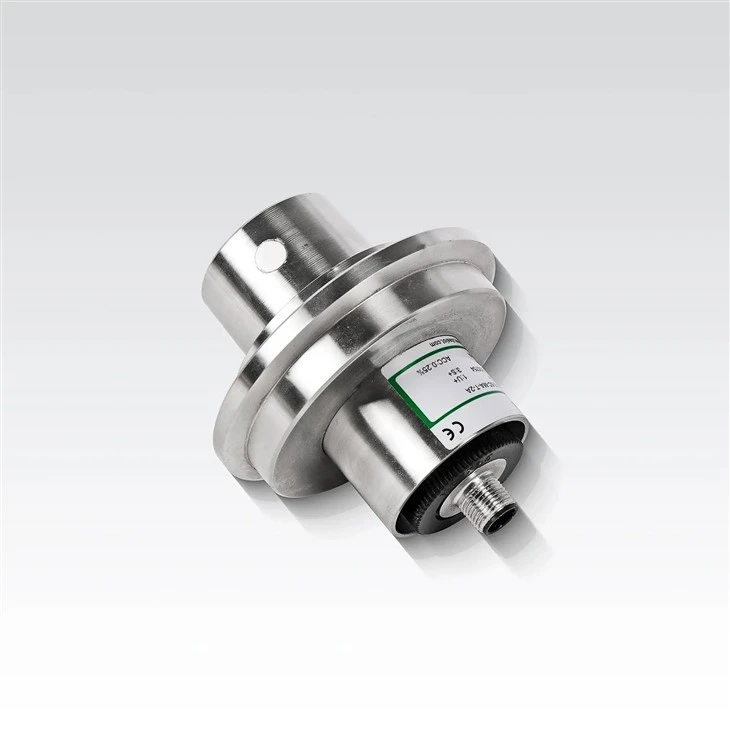
There are several calibration methods out there, and each has its own pros and cons. One common method is the comparison calibration. In this method, the MEMS pressure transmitter being calibrated is compared to a reference pressure sensor that is known to be highly accurate. The reference sensor is usually calibrated by a national or international standards organization. The readings from the MEMS pressure transmitter and the reference sensor are taken at the same time, and any differences between the two are used to adjust the MEMS transmitter.
The advantage of comparison calibration is that it's relatively simple and straightforward. It doesn't require a lot of specialized equipment, and it can be done in a relatively short amount of time. However, the accuracy of this method depends on the accuracy of the reference sensor. If the reference sensor has an error, then the calibration of the MEMS pressure transmitter will also be affected.
Another calibration method is the deadweight tester calibration. This method uses a deadweight tester, which is a device that applies a known pressure to the MEMS pressure transmitter by using weights. The pressure applied by the deadweight tester is calculated based on the weight and the area over which the weight is applied. The MEMS pressure transmitter is then adjusted so that its readings match the known pressure applied by the deadweight tester.
Deadweight tester calibration is considered to be one of the most accurate calibration methods. It provides a very precise measurement of pressure, and it's traceable to national and international standards. However, it's also a more complex and time-consuming method. It requires specialized equipment, and the calibration process can take longer than comparison calibration.
A third calibration method is the digital calibration. In this method, the MEMS pressure transmitter is calibrated using digital algorithms. The transmitter's output signal is processed by a microcontroller or a digital signal processor, and the calibration parameters are stored in a memory chip. Digital calibration can be very accurate, and it allows for easy adjustment and compensation of the transmitter's output. It also has the advantage of being able to correct for non-linearities in the pressure sensor's response.
However, digital calibration also has its limitations. The accuracy of the calibration depends on the quality of the digital algorithms and the stability of the microcontroller or digital signal processor. If there are any errors in the algorithms or if the processor malfunctions, the calibration of the MEMS pressure transmitter will be affected.
So, how does the choice of calibration method affect the accuracy of MEMS pressure transmitters? Well, as you can see from the above discussion, each calibration method has its own level of accuracy. The more accurate the calibration method, the more accurate the MEMS pressure transmitter will be.
For applications where high accuracy is required, such as in aerospace or medical devices, a more precise calibration method like deadweight tester calibration or digital calibration may be necessary. On the other hand, for less critical applications, comparison calibration may be sufficient.
It's also important to note that the accuracy of a MEMS pressure transmitter can degrade over time due to factors such as temperature changes, mechanical stress, and aging of the sensor. Therefore, regular calibration is necessary to maintain the accuracy of the device.
As a supplier of MEMS pressure transmitters, we understand the importance of calibration and its impact on the accuracy of our products. We offer a range of calibration services to ensure that our customers get the most accurate pressure measurements possible. Whether you need a simple comparison calibration or a more complex deadweight tester calibration, we've got you covered.
If you're in the market for MEMS pressure transmitters and want to learn more about how our calibration methods can benefit your applications, don't hesitate to reach out. We're here to help you make the right choice and ensure that you get the most accurate and reliable pressure measurement solutions. Contact us today to start a conversation about your specific needs and how we can work together to meet them.
References
- [List relevant industry standards, research papers or textbooks related to MEMS pressure transmitter calibration here. For example: Smith, J. (2020). "Advances in MEMS Pressure Sensor Calibration Techniques". Journal of Sensors and Actuators. Vol. 15, pp. 23 - 35.]