
How does a melt pressure indicator work in a high - altitude environment?
Leave a message

Hey there! I'm a supplier of melt pressure indicators, and today I want to dive into how these nifty devices work in a high - altitude environment.
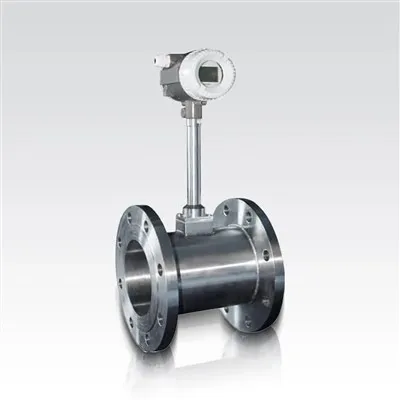
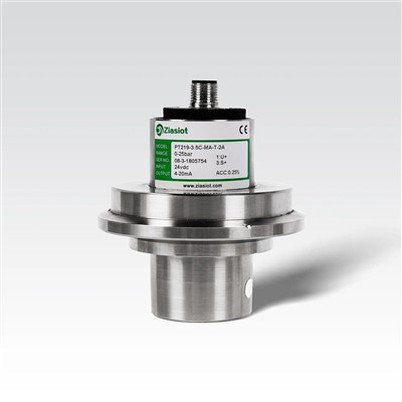
First off, let's quickly go over what a melt pressure indicator is. It's a crucial tool used in various industries, especially in plastic processing. It measures the pressure of molten materials flowing through a system. You can check out our Melt Pressure Indicator for a great example of what we offer.
Now, high - altitude environments are a whole different ballgame. At high altitudes, the atmospheric pressure is significantly lower than at sea level. This change in atmospheric pressure can have a big impact on how a melt pressure indicator functions.
The Basics of Melt Pressure Indicator Operation
Before we get into the high - altitude stuff, let's understand how a melt pressure indicator works under normal conditions. These indicators typically use a pressure - sensing element, like a strain gauge or a piezoelectric sensor. When the molten material exerts pressure on this sensing element, it deforms slightly. This deformation causes a change in an electrical property, such as resistance in the case of a strain gauge or voltage in the case of a piezoelectric sensor.
The indicator then measures this change and converts it into a pressure reading. The reading is usually displayed on a digital screen, making it easy for operators to monitor the pressure in real - time. Our Pressure Temperature Indicator is a great option that can also measure temperature along with pressure, giving you more comprehensive data.
Impact of High - Altitude on Atmospheric Pressure
As I mentioned earlier, high - altitude means lower atmospheric pressure. Atmospheric pressure decreases with increasing altitude because there's less air above you to exert a downward force. For example, at sea level, the standard atmospheric pressure is about 101.3 kPa. But at an altitude of 5000 meters, the atmospheric pressure drops to around 54 kPa.
This decrease in atmospheric pressure can affect the calibration of a melt pressure indicator. Most melt pressure indicators are calibrated at sea - level conditions. When used at high altitudes, the lower atmospheric pressure can cause the indicator to give inaccurate readings if not properly adjusted.
Effects on the Sensing Element
The pressure - sensing element in a melt pressure indicator is designed to work within a certain range of pressures. The lower atmospheric pressure at high altitudes can make the sensing element more sensitive to the pressure of the molten material.
Let's take a strain - gauge - based melt pressure indicator as an example. The strain gauge is designed to deform under the combined effect of the molten material's pressure and the atmospheric pressure. At high altitudes, with less atmospheric pressure pushing against the sensing element, the strain gauge may deform more easily in response to the molten material's pressure. This can lead to over - estimation of the pressure reading.
On the other hand, a piezoelectric - based sensor may also be affected. The piezoelectric effect is based on the generation of an electric charge due to mechanical stress. The lower atmospheric pressure can change the mechanical stress distribution on the piezoelectric crystal, potentially altering the voltage output and thus the pressure reading.
Compensation Mechanisms
To deal with these issues, modern melt pressure indicators often come with compensation mechanisms. One common method is to use a reference pressure sensor. This sensor measures the local atmospheric pressure at the operating altitude. The indicator then uses this reference pressure to adjust the pressure reading of the molten material.
For example, the indicator can subtract the local atmospheric pressure from the total pressure measured by the sensing element. This way, it can provide a more accurate reading of the pressure exerted by the molten material alone. Some of our Digital Hydraulic Pressure Gauge models also have similar compensation features, which are useful in high - altitude applications.
Environmental Considerations
High - altitude environments also come with other environmental factors that can affect the performance of a melt pressure indicator. Temperature is one of them. Generally, temperatures are lower at high altitudes, and this can affect the electrical properties of the sensing element and the electronics inside the indicator.
Most melt pressure indicators are designed to operate within a certain temperature range. If the temperature at high altitudes drops below this range, the indicator may malfunction or give inaccurate readings. To counter this, some indicators are equipped with temperature - compensation circuits. These circuits adjust the electrical signals based on the temperature to ensure accurate pressure readings.
Another environmental factor is humidity. High - altitude areas can have different humidity levels compared to sea - level areas. High humidity can cause corrosion of the electrical components in the indicator, while low humidity can lead to static electricity buildup, which can interfere with the electrical signals. Our melt pressure indicators are designed with proper protection against these environmental factors to ensure long - term reliability.
Maintenance and Calibration at High Altitudes
Regular maintenance and calibration are even more important when using a melt pressure indicator at high altitudes. The calibration should be done at the actual operating altitude to account for the lower atmospheric pressure.


Operators should also regularly check the condition of the sensing element and the electronics. Any signs of damage or wear should be addressed immediately. For example, if the strain gauge in a strain - gauge - based indicator shows signs of fatigue or if the piezoelectric crystal in a piezoelectric - based sensor is cracked, the indicator may need to be repaired or replaced.
Why Choose Our Melt Pressure Indicators for High - Altitude Use
We understand the unique challenges of using melt pressure indicators in high - altitude environments. Our indicators are designed and tested to perform accurately under these conditions.
We use high - quality sensing elements and advanced compensation mechanisms to ensure accurate pressure readings. Our products also come with robust protection against environmental factors like temperature and humidity. And with our easy - to - read digital displays and user - friendly interfaces, operators can easily monitor the pressure in real - time, even in high - altitude settings.
If you're in need of a reliable melt pressure indicator for your high - altitude applications, we'd love to have a chat with you. Whether you're in the plastic processing industry, the food processing industry, or any other industry that requires accurate pressure measurement of molten materials, we've got the right solution for you. Contact us to start a discussion about your specific needs and how our products can meet them.
References
- ASTM International. "Standard Practices for Pressure Measurement." ASTM Standards.
- "Handbook of Pressure Measurement" by David W. Spitzer.