
Can ceramic pressure transmitters be used in oil and gas industry?
Leave a message

Hey there! As a supplier of Ceramic Pressure Transmitters, I often get asked if these nifty devices can be used in the oil and gas industry. Well, let's dive right into it and find out.


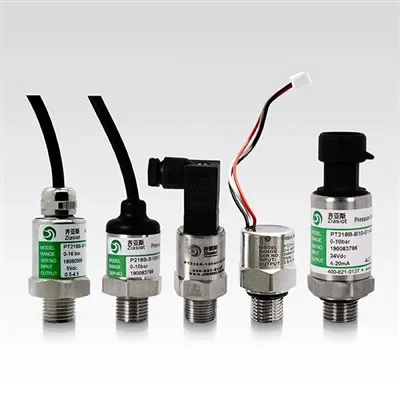
First off, let's understand what ceramic pressure transmitters are. They're basically sensors that measure pressure and convert it into an electrical signal. The ceramic part is key here. Ceramic is a super - tough material with excellent chemical resistance and high mechanical strength.
In the oil and gas industry, pressure measurement is crucial at every step, from exploration to production and even during transportation. You've got to know the pressure in pipelines, wells, and storage tanks. That's where ceramic pressure transmitters come in handy.
One of the biggest advantages of using ceramic pressure transmitters in this industry is their durability. The oil and gas environment can be pretty harsh. There are corrosive substances like hydrogen sulfide and carbon dioxide in the oil and gas streams. Ceramic is highly resistant to these corrosive elements. It won't degrade easily, which means the transmitter can keep working accurately for a long time.
Take, for example, wellhead pressure measurement. The pressure at the wellhead can be extremely high, and there are also a lot of contaminants in the fluid. A Standard Ceramic Pressure Transmitter can handle these high - pressure conditions and resist the wear and tear caused by the contaminants. It provides reliable pressure data that helps in managing the well operation effectively.
Another area where ceramic pressure transmitters shine is in pipeline monitoring. Pipelines in the oil and gas industry can span for hundreds or even thousands of miles. Maintaining the right pressure in these pipelines is essential to ensure the safe and efficient flow of oil and gas. A Refrigeration Pressure Transmitter can be used in areas where there are refrigeration systems associated with the pipelines. These transmitters can accurately measure the pressure in the refrigeration circuits, ensuring that the temperature and pressure are within the safe operating range.
In storage tanks, ceramic pressure transmitters are also very useful. They can measure the pressure inside the tanks, which is important for preventing over - pressurization or under - pressurization. Over - pressurization can lead to tank rupture, which is a huge safety hazard, while under - pressurization can cause the tank to collapse. A Anti - Crossive Pressure Transmitter can be used in these applications. It's designed to prevent cross - interference between different pressure signals, providing accurate and reliable pressure readings.
Now, let's talk about accuracy. In the oil and gas industry, even a small error in pressure measurement can lead to big problems. Ceramic pressure transmitters offer high accuracy. They can measure pressure with a very low margin of error, which is crucial for making informed decisions about the operation of oil and gas facilities.
The response time of ceramic pressure transmitters is also quite good. In a dynamic environment like the oil and gas industry, where pressure can change rapidly, a fast - responding transmitter is necessary. Ceramic pressure transmitters can quickly detect pressure changes and send the corresponding electrical signals, allowing for real - time monitoring and control.
But it's not all sunshine and rainbows. There are a few limitations too. For instance, extreme temperatures can affect the performance of ceramic pressure transmitters. In some deep - sea oil and gas operations, the temperature can be very low, and in some high - temperature processing plants, the heat can be intense. In these extreme conditions, the accuracy of the transmitter might be compromised. However, with proper insulation and temperature compensation techniques, these issues can be minimized.
Another potential drawback is the cost. Ceramic pressure transmitters can be a bit more expensive compared to some other types of pressure sensors. But when you consider their long - term reliability, accuracy, and durability, the investment is often worth it. In the long run, you'll save money on maintenance and replacement costs.
In conclusion, ceramic pressure transmitters can definitely be used in the oil and gas industry. Their durability, accuracy, and resistance to corrosion make them a great choice for many applications in this sector. Whether it's wellhead pressure measurement, pipeline monitoring, or tank pressure control, these transmitters can provide the reliable data needed for safe and efficient operation.
If you're in the oil and gas industry and are looking for high - quality ceramic pressure transmitters, we're here to help. We've got a wide range of products to meet your specific needs. Don't hesitate to reach out for more information and to start a procurement discussion. We're ready to work with you to find the best pressure measurement solutions for your operations.
References
- "Handbook of Pressure Measurement" by John F. Schooley
- "Oil and Gas Production Engineering" by Boyun Guo and John G. Golan