
Are MEMS pressure transmitters reliable?
Leave a message

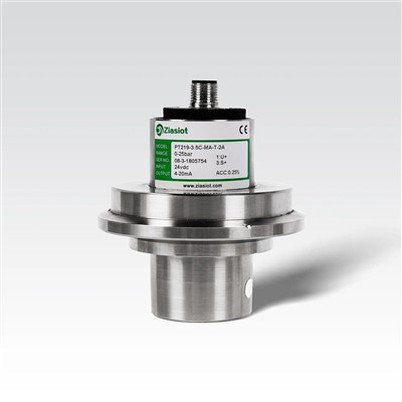
In the dynamic landscape of industrial instrumentation, the reliability of MEMS (Micro-Electro-Mechanical Systems) pressure transmitters is a topic of paramount importance. As a supplier deeply entrenched in the MEMS pressure transmitter industry, I've witnessed firsthand the transformative power of these devices and the critical role they play in various applications. In this blog, we'll explore the reliability of MEMS pressure transmitters, delving into their design, performance, and real-world applications.
Understanding MEMS Pressure Transmitters
MEMS pressure transmitters are sophisticated devices that leverage the principles of microfabrication to measure pressure with high accuracy and precision. At the heart of these transmitters lies a MEMS pressure sensor, a tiny device typically made of silicon. The sensor consists of a thin diaphragm that deflects under the influence of pressure, and this deflection is converted into an electrical signal through various transduction mechanisms, such as piezoresistive or capacitive sensing.
One of the key advantages of MEMS pressure transmitters is their miniaturization. The small size of MEMS sensors allows for the integration of these devices into compact and lightweight packages, making them ideal for applications where space is limited. Moreover, the microfabrication process enables the mass production of MEMS pressure sensors, resulting in cost-effective solutions without compromising on performance.
Design Factors Contributing to Reliability
The reliability of MEMS pressure transmitters starts with their design. Engineers pay meticulous attention to several factors to ensure that these devices can withstand the rigors of real-world applications.
Material Selection
The choice of materials for the MEMS sensor and the transmitter housing is crucial. Silicon, the primary material for MEMS sensors, is known for its excellent mechanical properties, such as high stiffness, low thermal expansion, and good chemical resistance. These properties enable the sensor to maintain its integrity and performance over a wide range of operating conditions, including high temperatures, pressures, and harsh chemical environments.
In addition, the housing of the pressure transmitter is often made of robust materials, such as stainless steel or aluminum, to provide protection against physical damage, moisture, and dust. The housing is designed to be hermetically sealed, preventing the ingress of contaminants that could affect the performance of the sensor.
Packaging and Encapsulation
The packaging and encapsulation of the MEMS sensor play a vital role in its reliability. The sensor is typically packaged in a protective enclosure that shields it from external factors while allowing it to sense the pressure accurately. The encapsulation process involves the use of materials that provide mechanical support, electrical insulation, and protection against environmental stress.
Advanced packaging techniques, such as flip-chip bonding and wafer-level packaging, are often employed to minimize the size and weight of the pressure transmitter while improving its reliability. These techniques also help to reduce the parasitic capacitance and resistance, which can affect the performance of the sensor.
Calibration and Testing
To ensure the accuracy and reliability of MEMS pressure transmitters, rigorous calibration and testing procedures are carried out during the manufacturing process. Each pressure transmitter is calibrated against a known reference pressure to establish a relationship between the applied pressure and the electrical output signal. This calibration process is typically performed using precision pressure calibration equipment to ensure high accuracy.
In addition to calibration, MEMS pressure transmitters undergo a series of tests to verify their performance under different operating conditions. These tests include temperature cycling, humidity testing, vibration testing, and shock testing. By subjecting the transmitters to these tests, manufacturers can identify and eliminate any potential reliability issues before the products are shipped to customers.
Real-World Applications and Reliability
MEMS pressure transmitters are used in a wide range of applications across various industries, including automotive, aerospace, medical, and industrial automation. In each of these applications, reliability is a critical requirement, as any failure of the pressure transmitter can have serious consequences.
Automotive Industry
In the automotive industry, MEMS pressure transmitters are used for a variety of applications, such as tire pressure monitoring systems (TPMS), engine management systems, and brake systems. In TPMS, for example, MEMS pressure sensors are installed inside the tires to monitor the tire pressure in real-time. The data collected by these sensors is transmitted to the vehicle's onboard computer, which alerts the driver if the tire pressure is too low or too high. The reliability of these pressure sensors is essential for ensuring the safety and performance of the vehicle.
Aerospace Industry
In the aerospace industry, MEMS pressure transmitters are used in aircraft engines, fuel systems, and environmental control systems. These applications require pressure transmitters that can operate reliably under extreme conditions, such as high altitudes, low temperatures, and high vibration levels. The reliability of MEMS pressure transmitters in these applications is crucial for ensuring the safety and efficiency of the aircraft.
Medical Industry
In the medical industry, MEMS pressure transmitters are used in various medical devices, such as blood pressure monitors, ventilators, and infusion pumps. These devices require pressure transmitters that can provide accurate and reliable measurements to ensure the proper functioning of the medical equipment. The reliability of MEMS pressure transmitters in these applications is critical for the health and well-being of patients.

Industrial Automation
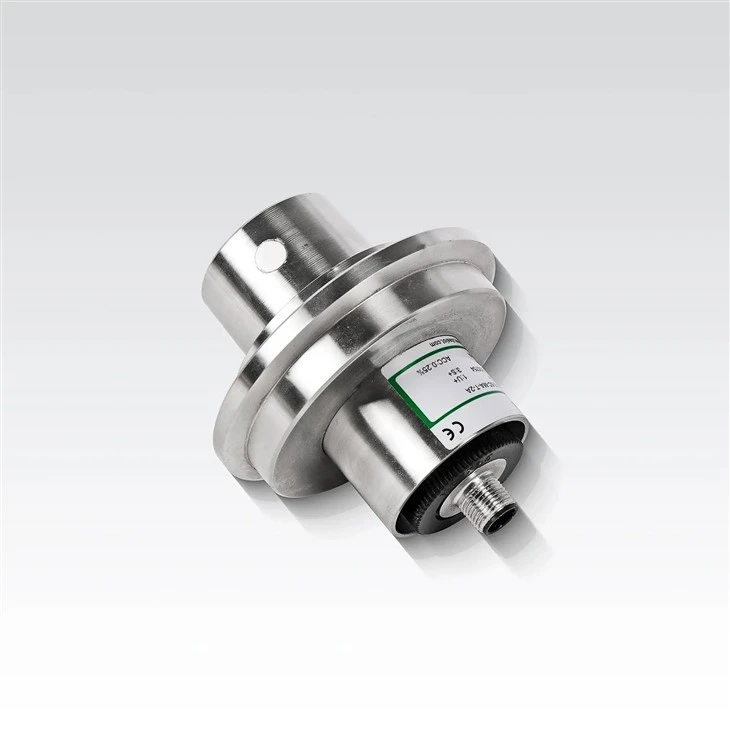
In the industrial automation industry, MEMS pressure transmitters are used for process control, monitoring, and safety applications. For example, in a chemical plant, MEMS pressure transmitters are used to monitor the pressure of various fluids and gases in the pipelines and tanks. The data collected by these transmitters is used to control the flow of fluids and gases, ensuring the safe and efficient operation of the plant. The reliability of MEMS pressure transmitters in these applications is essential for preventing accidents and ensuring the productivity of the industrial process.
Case Study: MEMS Pressure Sensor for Shield Tunneling Machine
One specific application where the reliability of MEMS pressure transmitters is of utmost importance is in shield tunneling machines. Shield tunneling machines are used to excavate tunnels in various geological conditions, and the MEMS pressure sensors play a crucial role in monitoring the pressure of the soil and the grout injected during the tunneling process.
The MEMS Pressure Sensor for Shield Tunneling Machine is designed to withstand the harsh environment of tunnel construction, including high pressures, vibrations, and dust. These sensors provide accurate and reliable pressure measurements, which are essential for ensuring the stability of the tunnel and the safety of the workers.
Conclusion
In conclusion, MEMS pressure transmitters are highly reliable devices that offer numerous advantages in terms of accuracy, precision, miniaturization, and cost-effectiveness. Their reliability is ensured through careful design, material selection, packaging, calibration, and testing. In real-world applications across various industries, MEMS pressure transmitters have proven to be essential components for ensuring the safety, performance, and efficiency of systems and processes.
If you're in need of high-quality MEMS pressure transmitters for your application, we invite you to contact us to discuss your requirements and explore how our products can meet your needs. Our team of experts is ready to assist you in selecting the right pressure transmitter for your specific application and provide you with the support and service you deserve.
References
- Kovacs, G. T. A. (1998). Micromachined Transducers Sourcebook. McGraw-Hill.
- Madou, M. J. (2002). Fundamentals of Microfabrication: The Science of Miniaturization. CRC Press.
- Senturia, S. D. (2001). Microsystem Design. Kluwer Academic Publishers.