
Are ceramic pressure transmitters suitable for measuring gas pressure?
Leave a message

Ceramic pressure transmitters have gained significant popularity in various industrial applications over the years due to their unique properties and performance characteristics. One common question that often arises is whether ceramic pressure transmitters are suitable for measuring gas pressure. In this blog post, as a supplier of ceramic pressure transmitters, I will delve into this topic, exploring the advantages, limitations, and considerations when using ceramic pressure transmitters for gas pressure measurement.
Advantages of Ceramic Pressure Transmitters for Gas Pressure Measurement
High Sensitivity and Accuracy
Ceramic pressure transmitters are known for their high sensitivity, which allows them to detect even small changes in gas pressure. This is particularly important in applications where precise pressure measurement is crucial, such as in the monitoring of gas pipelines, gas storage tanks, and gas processing plants. The accuracy of ceramic pressure transmitters can be as high as ±0.1% of the full scale, ensuring reliable and consistent measurement results.
Wide Pressure Range
These transmitters can measure gas pressures over a wide range, from very low pressures (a few millibars) to high pressures (several hundred bars). This versatility makes them suitable for a variety of gas pressure measurement applications, including low-pressure gas flow measurement, high-pressure gas compression, and gas pressure control in industrial processes.
Good Chemical Resistance
Ceramics are inherently resistant to many chemicals, which is an important advantage when measuring the pressure of corrosive gases. For example, in the chemical industry, where gases such as sulfur dioxide, chlorine, and ammonia are commonly used, ceramic pressure transmitters can withstand the corrosive effects of these gases and provide long-term reliable operation.
Fast Response Time
Ceramic pressure transmitters have a fast response time, typically in the order of milliseconds. This allows them to quickly respond to changes in gas pressure, making them suitable for dynamic gas pressure measurement applications, such as in the monitoring of gas flow in pipelines during rapid start-up or shutdown processes.
Compact and Robust Design
Most ceramic pressure transmitters have a compact and robust design, which makes them easy to install and suitable for use in harsh industrial environments. They can withstand mechanical vibrations, shocks, and temperature variations, ensuring reliable operation even in challenging conditions.
Limitations of Ceramic Pressure Transmitters for Gas Pressure Measurement
Susceptibility to Contamination
Although ceramics are generally resistant to chemicals, they can be susceptible to contamination by particulate matter in the gas. For example, if the gas contains dust, dirt, or other solid particles, these particles can accumulate on the surface of the ceramic pressure sensor, affecting its performance and accuracy. In such cases, additional filtration or protection measures may be required to ensure the proper functioning of the pressure transmitter.
Temperature Effects
The performance of ceramic pressure transmitters can be affected by temperature variations. While most ceramic pressure transmitters are designed to operate within a certain temperature range, extreme temperature changes can cause thermal expansion or contraction of the ceramic material, which may lead to measurement errors. To minimize the temperature effects, temperature compensation techniques are often used in the design of ceramic pressure transmitters.
Limited Compatibility with Some Gases
Although ceramics have good chemical resistance, there are still some gases that may react with the ceramic material or cause damage to the pressure sensor. For example, some highly reactive gases or gases with high moisture content may require special consideration or the use of alternative pressure measurement technologies.
Considerations When Using Ceramic Pressure Transmitters for Gas Pressure Measurement
Gas Composition and Purity
Before selecting a ceramic pressure transmitter for gas pressure measurement, it is important to consider the composition and purity of the gas. This includes the presence of corrosive gases, particulate matter, and moisture in the gas. Based on the gas characteristics, appropriate measures can be taken to ensure the compatibility and reliability of the pressure transmitter, such as using a suitable filtration system or selecting a pressure transmitter with enhanced chemical resistance.
Pressure Range and Accuracy Requirements
The pressure range and accuracy requirements of the application should also be carefully considered. It is important to select a ceramic pressure transmitter with a pressure range that is suitable for the expected gas pressure and an accuracy level that meets the measurement requirements. Overloading or underloading the pressure transmitter can lead to inaccurate measurement results or even damage to the sensor.
Installation and Mounting
Proper installation and mounting of the ceramic pressure transmitter are crucial for its performance and accuracy. The pressure transmitter should be installed in a location where it is protected from mechanical vibrations, shocks, and direct sunlight. It should also be installed in a way that ensures proper contact between the pressure sensor and the gas, and that the pressure port is not blocked or restricted.
Maintenance and Calibration
Regular maintenance and calibration of the ceramic pressure transmitter are necessary to ensure its long-term reliability and accuracy. This includes cleaning the pressure sensor, checking the electrical connections, and performing calibration at regular intervals. Calibration should be performed using a calibrated reference pressure source to ensure the accuracy of the measurement results.
Our Ceramic Pressure Transmitter Products
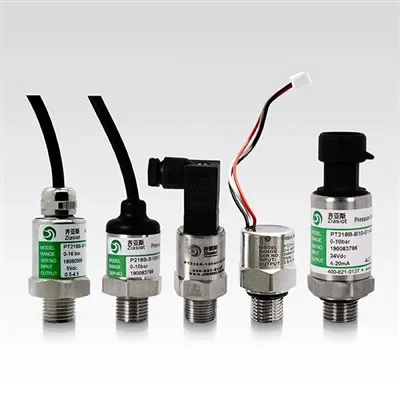
As a supplier of ceramic pressure transmitters, we offer a wide range of products to meet the diverse needs of our customers. Our Standard Ceramic Pressure Transmitter is a versatile and reliable option for general gas pressure measurement applications. It features high accuracy, wide pressure range, and good chemical resistance, making it suitable for a variety of industrial processes.


For applications where corrosion resistance is a major concern, our Anti-Crossive Pressure Transmitter is an ideal choice. It is specifically designed to withstand the corrosive effects of aggressive gases and chemicals, ensuring long-term reliable operation in harsh environments.
In addition, we also offer a Refrigeration Pressure Transmitter for use in refrigeration systems. This transmitter is optimized for measuring the pressure of refrigerants and provides accurate and reliable measurement results in refrigeration applications.
Conclusion
In conclusion, ceramic pressure transmitters can be a suitable choice for measuring gas pressure in many applications. Their high sensitivity, wide pressure range, good chemical resistance, fast response time, and compact design make them a popular option for a variety of industrial gas pressure measurement tasks. However, it is important to consider the limitations and potential challenges associated with using ceramic pressure transmitters, such as susceptibility to contamination, temperature effects, and limited compatibility with some gases. By carefully considering the gas characteristics, pressure range and accuracy requirements, installation and mounting, and maintenance and calibration, ceramic pressure transmitters can provide reliable and accurate gas pressure measurement results.
If you are interested in our ceramic pressure transmitter products or have any questions about gas pressure measurement, please feel free to contact us for further information and to discuss your specific requirements. We are committed to providing high-quality products and excellent customer service to meet your needs.
References
- "Pressure Measurement Technology Handbook" by Peter H. Sydenham and Richard Thorn.
- "Industrial Pressure Transmitters: Principles and Applications" by various authors.
- Manufacturer's technical documentation for ceramic pressure transmitters.